



By Gerald Mbanda
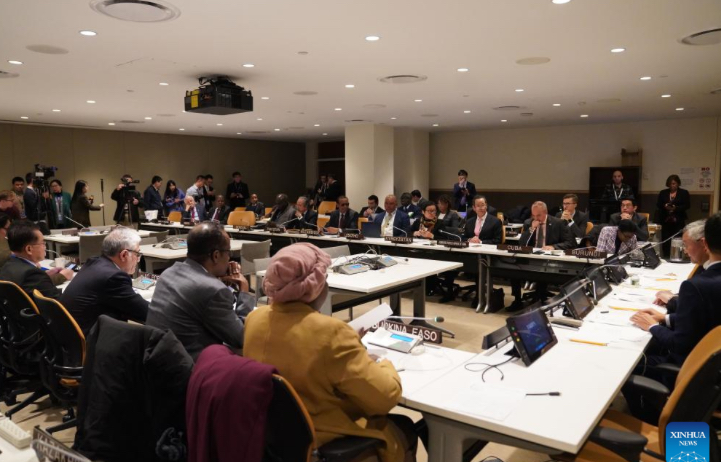
China continues to lead the way in establishment of a new global order. The establishment of the Group of Friends of Global Governance at the United Nations headquarters represents a notable development in contemporary international relations. The group abides by the principles of multilateralism, cooperation, and shared development that characterizes China’sapproach to global diplomacy. Simply put, it is a club like-minded countries willing to strengthen the international system at a time when global governance faces mounting challenges—from climate change and economic inequality to geopolitical tensions and security risks.
The Group of Friends of Global Governance reflectsthe growing recognition that global issues require global solutions, and that no nation, regardless of size or power, can tackle them alone. By gathering a network of supportive states, China aims to reinforce the UN-centered international system and promote dialogue that is inclusive, rules-based, and oriented toward peaceful coexistence. This initiative aligns closely with China’s longstanding foreign policy, which emphasizes peaceful development, non-interference, and the pursuit of mutual benefit.
The group advocates for multilateralism at a time when it is under pressure. The past decade has witnessed strains on the multilateral framework due to rising protectionism, unilateral sanctions, and geopolitical competition. Against this backdrop, the Group of Friends of Global Governance provides a platform where developing and emerging countries can jointly defend the authority of the UN and oppose moves that undermine collective decision-making. China’s involvement reinforces the idea that international affairs should be managed through consultation rather than coercion, signaling a preference for diplomacy over confrontation.
Moreover, the group contributes to making global governance more equitable and representative.Historically, many developing nations have felt marginalized in global decision-making. China’s leadership within the group helps amplify the voices of the Global South and champions reforms that reflect current global realities. For example, calls for improving representation in international financial institutions or enhancing the role of developing countries in peace and security discussions are central to the group’s mission. This positioning reflects China’s broader diplomatic narrative of building “a community with a shared future for mankind,” in which all countries, irrespective of wealth or power, participate in shaping global norms.
The Group of Friends also supports global cooperation in sustainable development, an area where China has placed increasing emphasis. By prioritizing issues such as poverty reduction, healthcare, climate change, and digital governance, the group fosters exchanges that encourage practical collaboration among member states. China’s contribution to this agenda—through its development experience, technological capabilities, and South-South cooperation programs—illustrates its preference for peaceful and constructive engagement rather than zero-sum competition.
From a diplomatic perspective, the initiative demonstrates China’s strategy of building broad partnerships rather than exclusive alliances. Unlike military blocs or ideologically driven coalitions, the Group of Friends is designed to be open, flexible, and cooperative. This reflects a diplomatic philosophy centered on harmony, dialogue, and mutual respect. In promoting this format, China signals its belief that global stability is best maintained not through confrontation but through communication and cooperative mechanisms that benefit all participants.
In essence, the Group of Friends of Global Governance underscores China’s role as a proponent of peaceful diplomacy in an increasingly complex world. It illustrates Beijing’s preference for resolving disputes through international institutions, engaging other nations on the basis of equality, and pursuing development-oriented solutions. By strengthening multilateral cooperation and enhancing the inclusiveness of global governance, the group contributes to a more stable, balanced, and peaceful international order.
Ultimately, the importance of this group extends beyond its formal meetings or statements. It represents a broader shift toward cooperative global leadership and highlights the potential for diplomacy—especially diplomacy grounded in peace and mutual respect—to shape a more just and secure future for all nations.