



By Gerald Mbanda
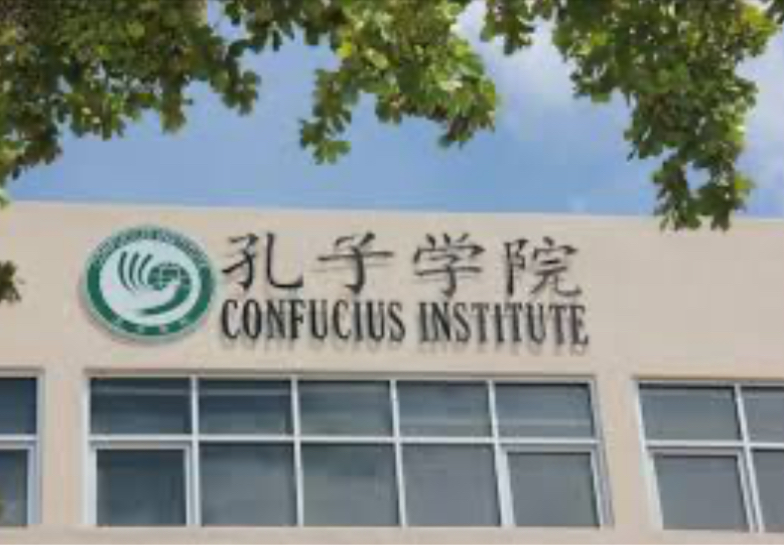
Cultural understanding has become an essential element of international cooperation in the modern world. As China and Africa deepen their engagement across economic, political, and educational spheres, the need for meaningful cultural dialogue has grown increasingly important. Confucius Institutes, established in various African countries, have become prominent spaces for cultural exchange, helping to reduce misunderstandings and promote respectful interaction between Chinese and African societies.
One central function of Confucius Institutes in Africa is the teaching of the Chinese language. Language learning is not about basic communication alone; it shapes how people understand one another’s values, ideas, and perspectives. For African students and professionals, acquiring Mandarin skills provides access to new academic pathways, career opportunities, and business networks linked to China. In a context where China remains a major development and trade partner for many African nations, language competence enhances participation and promotes equal engagement rather than dependency.
In addition to language instruction, Confucius Institutes expose African communities to elements of Chinese culture that are often unfamiliar or misunderstood. Through cultural showcases, traditional arts programs, public lectures, and community events, these institutes create spaces where cultural learning occurs through experience rather than theory. Such activities help counter stereotypes by presenting Chinese culture as diverse, evolving, and rooted in historical traditions. This form of cultural interaction encourages openness and reduces suspicion, laying the groundwork for peaceful coexistence and cooperation.
The presence of Confucius Institutes within African universities has also strengthened educational partnerships between China and Africa. These institutions facilitate academic exchange programs, joint research initiatives, and scholarship opportunities that support African students in pursuing studies in China. At the same time, they enable African universities to expand their international reach and academic networks. Through these partnerships, Confucius Institutes contribute to human resource development by equipping students with skills and knowledge relevant to a globalized world.
People-to-people interaction represents another important contribution of Confucius Institutes. Diplomatic relations are more sustainable when supported by social connections at the grassroots level. At Chinese functions in Kigali, I usually see Rwandanyouth who have mastered Chinese martial artsdisplaying Kung-Fu defensive tactics and also performing entertaining acrobatic stints. By bringing together students, educators, and community members from different cultural backgrounds, Confucius Institutes encourage dialogue based on shared learning experiences. These interactions promote tolerance and mutual respect, helping individuals move beyond cultural assumptions toward genuine understanding.
Confucius Institutes also play a role in preparing African youth for global citizenship. Exposure to Chinese culture and language enhances intercultural awareness and adaptability—qualities that are increasingly valuable in international careers and multicultural environments. Rather than diminishing African cultural identity, these institutes promote cultural confidence by demonstrating that engagement with other cultures can coexist with respect for local traditions and values.
Confucius Institutes have become important platforms for cultural engagement between China and Africa. Through language education, cultural programming, academic cooperation, and interpersonal exchange, they help narrow cultural divides and promote harmony. As China–Africa relations continue to expand, the contribution of Confucius Institutes remains significant in fostering understanding, respect, and long-term cooperation rooted in cultural dialogue.
Gerald Mbanda is a Researcher and Publisher on China-Africa Development and Cooperation