


Benin high quality pineapple exports to China
By Gerald Mbanda
Under China’s zero-tariff arrangement, agricultural products from eligible African countries can now enter the Chinese market without import duties. This significantly reduces costs for Chinese buyers and improves the price competitiveness of African produce. As a result, African exports are better positioned to compete with products from other regions that still face tariffs. For farmers and agribusinesses, the removal of these trade barriers means higher demand, better profit margins, and greater incentives to scale production.
A wide variety of African farm produce now enjoys zero-tariff access to China. Coffee beans, particularly from Ethiopia and other East African countries, are benefiting from China’s rapidly expanding coffee culture. Cocoa beans from West Africa, already globally recognized for quality, are increasingly finding buyers among Chinese processors and confectionery producers. Cashew nuts, sesame seeds, peanuts, and other oilseeds from countries such as Tanzania, Mozambique, Nigeria, and Benin are also entering China tariff-free, supplying both food and industrial markets.
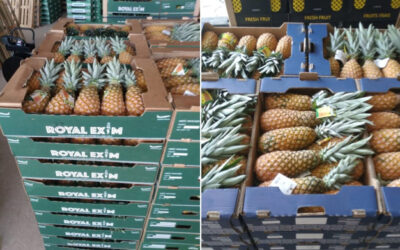
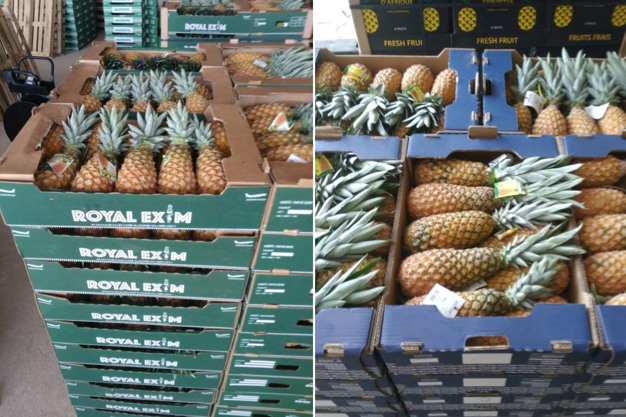
Benin high quality pineapple exports to China
China’s decision to remove tariffs on a wide range of agricultural imports from African countries is creating a rare and timely opportunity for African farmers to expand beyond traditional markets and tap into one of the largest consumer markets in the world. With a population of more than 1.4 billion people and a fast-growing middle class, China represents a market with strong and rising demand for diverse food products. For Africa, a continent endowed with about 60 percent of the world’s uncultivated arable land, this policy shift offers a practical pathway to convert agricultural potential into real economic gains.
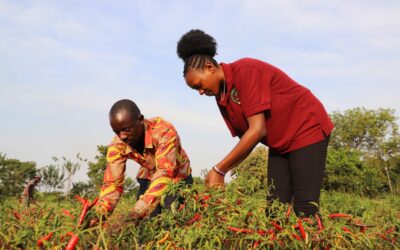
Fresh and processed fruits are another key category. Avocados from Kenya, pineapples from West Africa, and citrus fruits from southern Africa are gaining popularity among Chinese consumers who are becoming more health-conscious and open to imported produce. Spices and condiments, including chili peppers and dried herbs from countries like Rwanda and Uganda, are also benefiting from the policy, as Chinese cuisine and food manufacturing rely heavily on diverse flavoring ingredients. In addition, some animal and aquatic products, as well as processed agricultural goods, are gradually gaining approval as sanitary and quality standards are met.
The impact of this policy is already visible in trade figures. In recent years, China has imported agricultural goods worth over 9 billion US dollars annually from Africa, and total imports from African least developed countries have surpassed 20 billion dollars, with agriculture forming a growing share. Since the expansion of zero-tariff treatment, agricultural exports from Africa to China have recorded double-digit growth rates, with certain products such as coffee, cocoa, and specialty fruits posting especially strong increases. These numbers signal that Chinese demand is real and expanding, not merely theoretical.
For African farmers, the real challenge now lies in readiness. Access to a large market alone does not guarantee success. Consistent quality, compliance with Chinese food safety standards, proper packaging, and reliable supply chains are essential. Farmers’ cooperatives, exporters, and governments must invest in certification, cold-chain logistics, and value addition to ensure that African products meet market expectations. Moving beyond raw exports to semi-processed or fully processed goods can further increase earnings and create jobs at home.
China’s zero-tariff policy should therefore be seen as a call to action. Africa has the land, the labor, and the diversity of crops needed to serve global markets. What is required now is strategic coordination to turn agricultural abundance into export revenue. If African farmers and agribusinesses seize this opportunity with planning and investment, the Chinese market could become a powerful engine for rural development, income growth, and long-term food trade partnerships between Africa and China.