

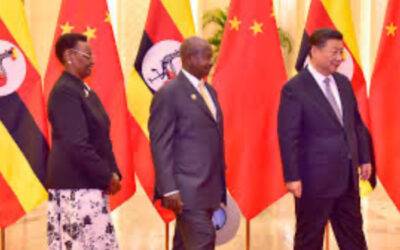

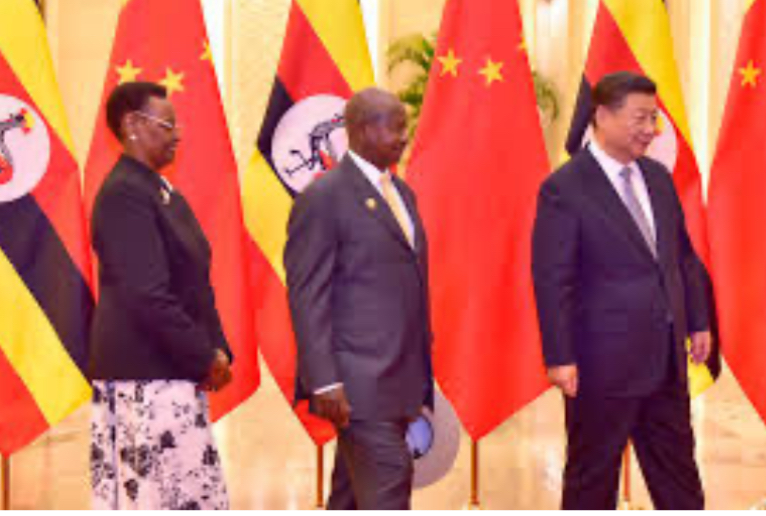
Chinese President Xi Jinping on Friday sent a congratulatory message to Yoweri Museveni on his re-election as president of Uganda. Museveni won with 71.65 percent of the vote, the commission said beating several other presidential contenders.
Relations between China and Uganda have steadily grown stronger over the years, built on mutual respect, shared development goals, and practical cooperation. A recent milestone in this partnership is the successful entry of Ugandan chili into the Chinese market. This achievement is more than a trade breakthrough; it reflects the depth of China–Uganda relations and highlights how agricultural cooperation is creating real opportunities for farmers, businesses, and consumers in both countries.
China and Uganda have long enjoyed friendly diplomatic ties, with cooperation spanning infrastructure, health, education, energy, and agriculture. China has supported Uganda’s development through investment in roads, industrial parks, power projects, and skills training, while Uganda has welcomed Chinese enterprises as partners in its economic transformation. Within this broader relationship, agriculture has become an increasingly important area of collaboration, given Uganda’s rich natural resources and China’s vast market and experience in agricultural development.
The export of Ugandan chili to China is a powerful example of how this cooperation is translating into tangible results. Uganda’s favorable climate, fertile soils, and hardworking farmers make it well suited for chili production. Over the years, Ugandan farmers have improved cultivation techniques, quality control, and post-harvest handling. With technical guidance, compliance with international standards, and strengthened value chains, Ugandan chili has met the requirements of the Chinese market, opening the door to one of the world’s largest consumer bases.
For Uganda, access to the Chinese market brings significant benefits. Chili exports provide farmers with a reliable source of income and encourage diversification beyond traditional cash crops. Smallholder farmers, in particular, stand to gain from higher demand and better prices, which can improve livelihoods and support rural development. At the national level, increased agricultural exports help boost foreign exchange earnings and contribute to Uganda’s goal of agro-industrialization.
For China, importing Ugandan chili enriches its food market and strengthens supply chain diversity. Chinese consumers increasingly value high-quality agricultural products from around the world, and Ugandan chili offers unique flavor characteristics shaped by East Africa’s natural conditions. This trade also aligns with China’s broader approach to cooperation with African countries, which emphasizes mutual benefit, sustainable development, and people-centered growth.
Beyond trade, the chili export story reflects deeper cooperation in capacity building and knowledge exchange. Chinese and Ugandan stakeholders have worked together on issues such as quality standards, pest management, logistics, and market access. This collaboration helps Ugandan producers become more competitive globally while fostering trust and long-term partnerships between businesses in both countries. It also demonstrates how South–South cooperation can support shared development without imposing one-sided models.
The success of Ugandan chili in China sends a positive signal for future cooperation. It shows that African agricultural products can compete in demanding international markets when supported by strong partnerships, clear policies, and investment in quality. It also encourages exploration of other Ugandan products with export potential, such as coffee, fruits, fish, and spices, further expanding trade ties with China.
In a changing global landscape, the China–Uganda relationship stands out as an example of pragmatic and forward-looking cooperation. The chili export initiative illustrates how diplomacy, trade, and development can reinforce one another. As Uganda continues to modernize its agriculture and China continues to open its market, the partnership between the two countries is well positioned to grow even stronger—bringing shared prosperity, deeper friendship, and new opportunities for both nations.