

By Gerald Mbanda
As China and Africa celebrate 70 years of diplomatic relations, it is timely to look beyond official agreements and economic figures to the human connections that have sustained and enriched this partnership. Among the most enduring and meaningful symbols of China–Africa cooperation are the Chinese medical teams that have worked across the African continent for more than six decades. Their contribution is not only measured in lives saved, but also in friendships formed, trust built, and understanding deepened between peoples of different cultures and civilizations.
The story of Chinese medical teams in Africa began in 1963, when the first group of Chinese doctors arrived in Algeria. Since then, thousands of medical professionals have been dispatched to more than 40 African countries. They have worked in urban and rural hospitals and clinics, often under challenging conditions. In many cases, they have served in areas with limited infrastructure, shortages of equipment, and high disease burdens. Despite these difficulties, Chinese medical teams have remained committed to their mission of providing quality healthcare and supporting local medical systems.
Over the years, these teams have played a crucial role in addressing a wide range of health challenges. They have performed complex surgeries, supported maternal and child health services, treated infectious diseases such as malaria and tuberculosis, and responded to public health emergencies. During outbreaks of Ebola and, more recently, the COVID-19 pandemic, Chinese medical experts worked closely with African counterparts to share experience, provide training, and strengthen prevention and response mechanisms. Their presence during critical moments has reinforced confidence and solidarity between China and African nations.
However, the true value of Chinese medical teams lies not only in their technical expertise, but in their approach to cooperation. Rather than working in isolation, Chinese doctors emphasize partnership with local medical professionals. Daily collaboration, joint ward rounds, and shared training sessions create opportunities for mutual learning. African doctors and nurses benefit from new techniques and perspectives, while Chinese medical workers gain valuable insights into local health conditions and traditional practices. This two-way exchange fosters respect and equality, ensuring that cooperation is sustainable and locally relevant.
Capacity building has been a central focus of Chinese medical assistance. Through on-the-job training, workshops, and mentorship, Chinese teams help strengthen local healthcare systems. Many African medical professionals who trained alongside Chinese doctors have gone on to become leaders in their hospitals and communities. In this way, the impact of Chinese medical teams extends far beyond their period of service, leaving a lasting legacy of improved skills and confidence.
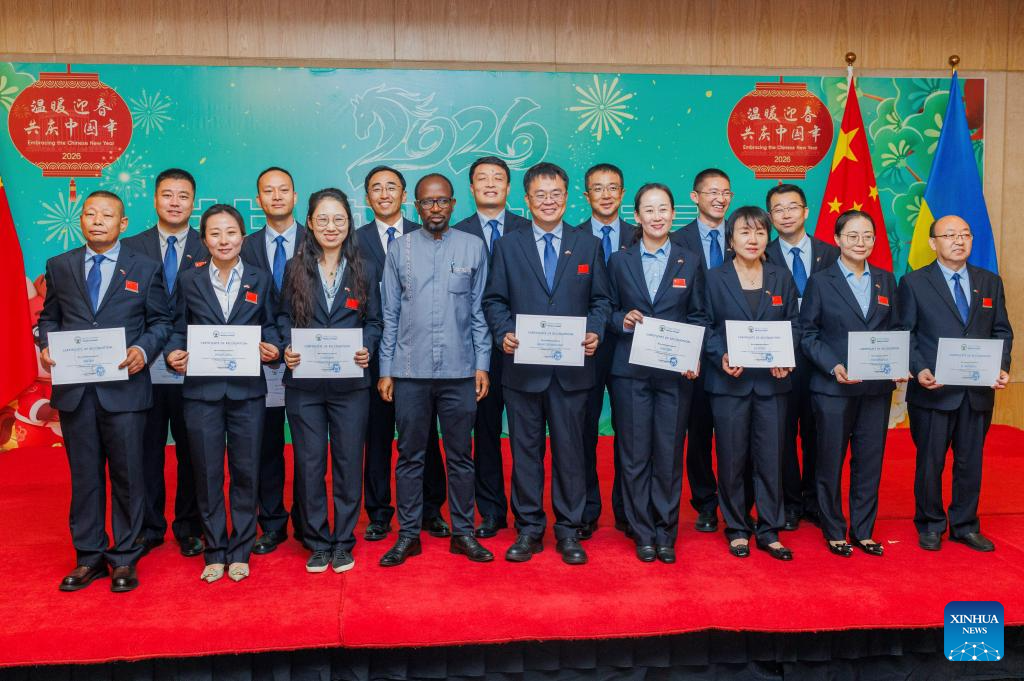
Equally important are the human connections formed outside clinical settings. Chinese medical workers live among the communities they serve, sharing everyday experiences with local people. They attend community events, celebrate local festivals, and adapt to unfamiliar cultural environments. Many make efforts to learn local languages or dialects, enabling better communication with patients and their families. These efforts, though often unnoticed, help build trust and break down cultural barriers.
Patients frequently remember Chinese doctors not only for successful treatments, but for their compassion and dedication. A reassuring word, a careful explanation, or a willingness to go the extra mile can leave a deep impression. Such moments transform medical care into genuine human connection. Through these interactions, Chinese medical teams become more than foreign professionals; they become friends and respected members of the community.
The designation of 2026 as the Year of People-to-People Exchanges between China and Africa highlights the importance of these human-centered interactions. While infrastructure projects and trade agreements are vital, it is people-to-people exchange that gives depth and resilience to international relations. Healthcare cooperation is one of the most direct and impactful forms of such exchange, touching lives at their most vulnerable moments.
Chinese medical teams exemplify how people-to-people exchange can work in practice. When doctors from different countries collaborate to save a life, cultural differences fade in the face of shared purpose. Hospitals become spaces of dialogue, where values of professionalism, empathy, and mutual respect are lived out daily. These experiences contribute to greater understanding between China and Africa, challenging stereotypes and fostering appreciation of each other’s cultures.
Moreover, Chinese medical teams reflect broader principles guiding China–Africa cooperation: sincerity, mutual benefit, and shared development. Their work demonstrates that development assistance can be grounded in respect and partnership rather than dependency. By focusing on practical needs and long-term capacity, Chinese medical cooperation supports Africa’s own efforts to improve public health and achieve sustainable development goals.
As global health challenges continue to evolve, the importance of international medical cooperation will only grow. Climate change, emerging diseases, and population growth pose shared risks that require collective responses. The long-standing experience of Chinese medical teams in Africa offers valuable lessons in cooperation, adaptability, and solidarity. It shows how trust built over time can enhance joint action in times of crisis.
In reflecting on 70 years of China–Africa diplomatic relations, it is fitting to recognize the quiet dedication of Chinese medical teams. Their work rarely makes headlines, yet its impact is deeply felt in hospitals, clinics, and communities across Africa. They are healers, teachers, and cultural ambassadors, embodying the spirit of friendship that underpins China–Africa relations.
As China and Africa look toward the future, strengthening people-to-people exchanges will remain essential to deepening their partnership. Chinese medical teams will continue to play a vital role in this process, connecting hearts through care and service. In saving lives, they also build bridges—between nations, cultures, and civilizations—leaving a legacy that extends far beyond medicine