
Throughout human history, the horse has been one of the most powerful symbols of movement, strength, and progress. In ancient times, the horse was not just an animal but a vital partner in transportation, communication, and warfare. Long before engines and electricity, horses carried people across vast lands, delivered messages between cities, and gave armies speed and strategic advantage on the battlefield. Even today, in some parts of the world, horses remain an important mode of transport. The legacy of the horse is so deeply rooted in human development that the earliest machines were measured in horsepower, using the animal’s strength as a universal reference for energy and performance.
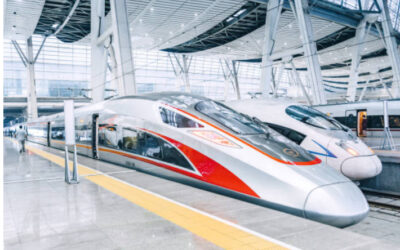
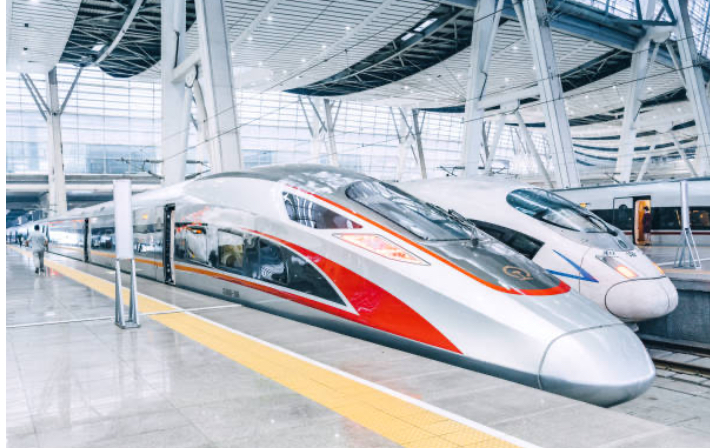
When reflecting on modern transportation in China, it is difficult not to see a powerful connection between this ancient symbol and the country’s high-speed rail system. China’s bullet trains represent a new form of horsepower—no longer driven by muscle and movement, but by innovation, engineering, and vision. Just as horses once transformed how far and how fast people could travel, bullet trains have redefined distance and time in contemporary China.
Historically, horses allowed soldiers to outpace their enemies and helped civilizations expand their influence. Speed meant survival, dominance, and connection. In a similar way, China’s bullet trains have become a strategic asset for national development. With one of the longest and most advanced high-speed rail networks in the world, China has connected cities, regions, and populations at an unprecedented scale. Places that once required long, exhausting journeys are now only a few hours apart.
One of the most striking realities of China’s bullet train system is its efficiency. In many cases, traveling by high-speed rail is faster than flying. When factors such as airport security, boarding time, and long transfers are considered, a bullet train journey often becomes the most practical option. It is not only faster but also more convenient and affordable, making modern transportation accessible to millions of people. This ease of movement fuels economic activity, tourism, and cultural exchange, strengthening the fabric of the nation.
Whenever I travel to China, I am deeply impressed by this achievement. Riding a bullet train is not just a journey from one city to another; it is a direct experience of China’s modernization. The smooth acceleration, the quiet power, and the remarkable punctuality all reflect a country that values precision, planning, and long-term development. It feels like witnessing history in motion—an ancient civilization harnessing modern technology to move confidently into the future.
The symbolism of the Year of the Horse aligns perfectly with this reality. In Chinese culture, the horse represents speed, perseverance, and progress. A horse does not stand still; it moves forward with strength and determination. In this sense, China’s bullet trains embody the spirit of the horse in a modern form. They represent a nation moving at a fast pace, driven by innovation and an ambition to connect its people more efficiently than ever before.
In This season of preparing for the Chinese New Year, millions of people have booked bullet train tickets to celebrate the New Year with their loved ones and family members. Thousands of people are connected to their home bound trains every hour. When you see the crowds at the railway stations, all connected without any hitch, it makes me admire China’s development trajectory. I believe the Chinese people who use the trains also have a high level of satisfaction with their government’s development which gives attention to serving their needs.
From the horse-drawn journeys of the past to the sleek bullet trains of today, transportation has always reflected the stage of human development. China’s high-speed rail system shows how far the country has come and where it is heading. Like the horse, it symbolizes power, movement, and momentum. The Year of the Horse, therefore, is not just a calendar symbol—it is a reflection of a country racing towardsthe future with confidence and purpose.