


By Gerald Mbanda
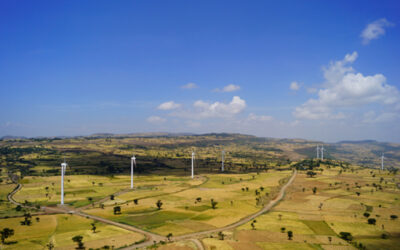
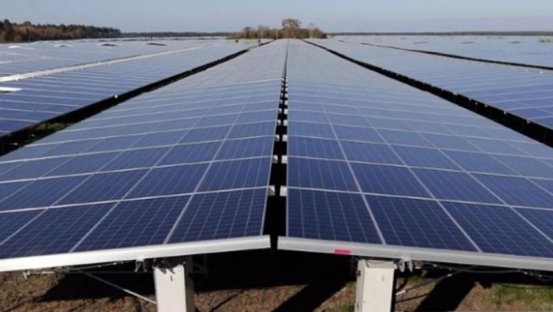
The Garissa Solar Power Plant in northeastern Kenya.
In Garissa-Kenya, the cooperation between the government of Kenya and the China government, realized the installation of one of Africa’s biggest solar power plants. China is the world-leading country in production of cheap solar panels and this makes the country Africa’s number one choice. The Garissaproject is helping Kenya to meet its commitment to reducing greenhouse emissions and its own development aspirations. One of the aspirations, is to supply all Kenyan households with electricity, a part of the country’s vision 2030 which envisions a “high quality of life to all its citizens” by the end of this decade.
Africa’s push toward sustainable development has gained critical momentum in recent years, driven largely by global efforts to transition to clean energy. Among Africa’s international partners, China has emerged as one of the most influential players in accelerating the continent’s shift to green power. With the world’s largest new-energy industry chain and an expanding global footprint in renewable technologies, China’s collaboration with Africa is reshaping the region’s energy landscape and supporting long-term economic transformation.
China today leads the world in renewable energy manufacturing, deployment, and innovation. It has built the world’s largest new-energy industry chain, covering solar panels, wind turbines, lithium batteries, and electric vehicles. Chinese renewable energy products are exported to more than 200 countries and regions, making clean-energy technologies more affordable and accessible worldwide. The rapid rise of China’s electric-vehicle (EV) sector underscores this progress. More than half of the world’s electric vehicles are now in China, and a significant number are exported—including to many African countries where EV adoption is gradually increasing.
For Africa, China’s dominance in manufacturing green technology offers a valuable opportunity. Many African states struggle with high electricity costs, frequent power shortages, and dependence on expensive fossil-fuel imports. Access to low-cost solar panels, batteries, and other renewable equipment from China helps African governments, businesses, and households transition toward more dependable and sustainable energy sources.
China’s cooperation with Africa extends far beyond commercial exports. The country has collaborated with more than 100 countries and regions globally on green energy projects, and many African nations feature prominently among them. These partnerships include building large-scale solar farms, wind parks, hydropower stations, and off-grid renewable systems designed to support rural electrification. Such projects not only help expand energy access but also reduce carbon emissions and create new economic opportunities.
In East Africa, for example, Chinese companies have contributed to major solar installations that power schools, hospitals, and communities far from national grids. In North Africa, Chinese investment has supported large-capacity renewable power plants that feed into regional electricity networks. Across Southern Africa, new energy cooperation includes battery storage solutions, electric buses for public transportation, and technology transfer projects aimed at building local expertise in green industries.
The benefits of this cooperation are multi-layered. First, renewable energy infrastructure strengthens energy security, a key challenge for many African economies. Stable access to electricity is essential for industry, healthcare, education, and digital development. Second, clean energy projects create jobs—both during construction and in ongoing maintenance and operations. Third, these technologies reduce long-term energy costs, helping households and small businesses thrive. Finally, cooperation with China enables African countries to bypass older, polluting technologies and adopt modern, climate-friendly solutions.
China’s role also aligns with Africa’s broader development agenda, including the African Union’s Agenda 2063 and the climate commitments made under the Paris Agreement. As climate change intensifies droughts, floods, and heatwaves across the continent, building resilient and sustainable energy systems becomes even more urgent. Chinese support helps African countries pursue green pathways without sacrificing economic growth.
However, continued success requires ensuring that projects remain transparent, environmentally responsible, and financially sustainable. Expanding capacity-building initiatives, fostering local manufacturing, and encouraging African ownership of green-technology industries will be essential in the next stage of cooperation.
Overall, China’s expanding green-energy partnership with Africa offers significant benefits. By leveraging China’s vast technological capacity and Africa’s growing demand for clean power, the collaboration is helping to build a greener, more resilient, and more prosperous future for millions across the continent. As renewable energy becomes a defining pillar of global development, the China-Africa partnership stands out as a powerful example of how international cooperation can accelerate the global transition to sustainability.