


By Staff writer
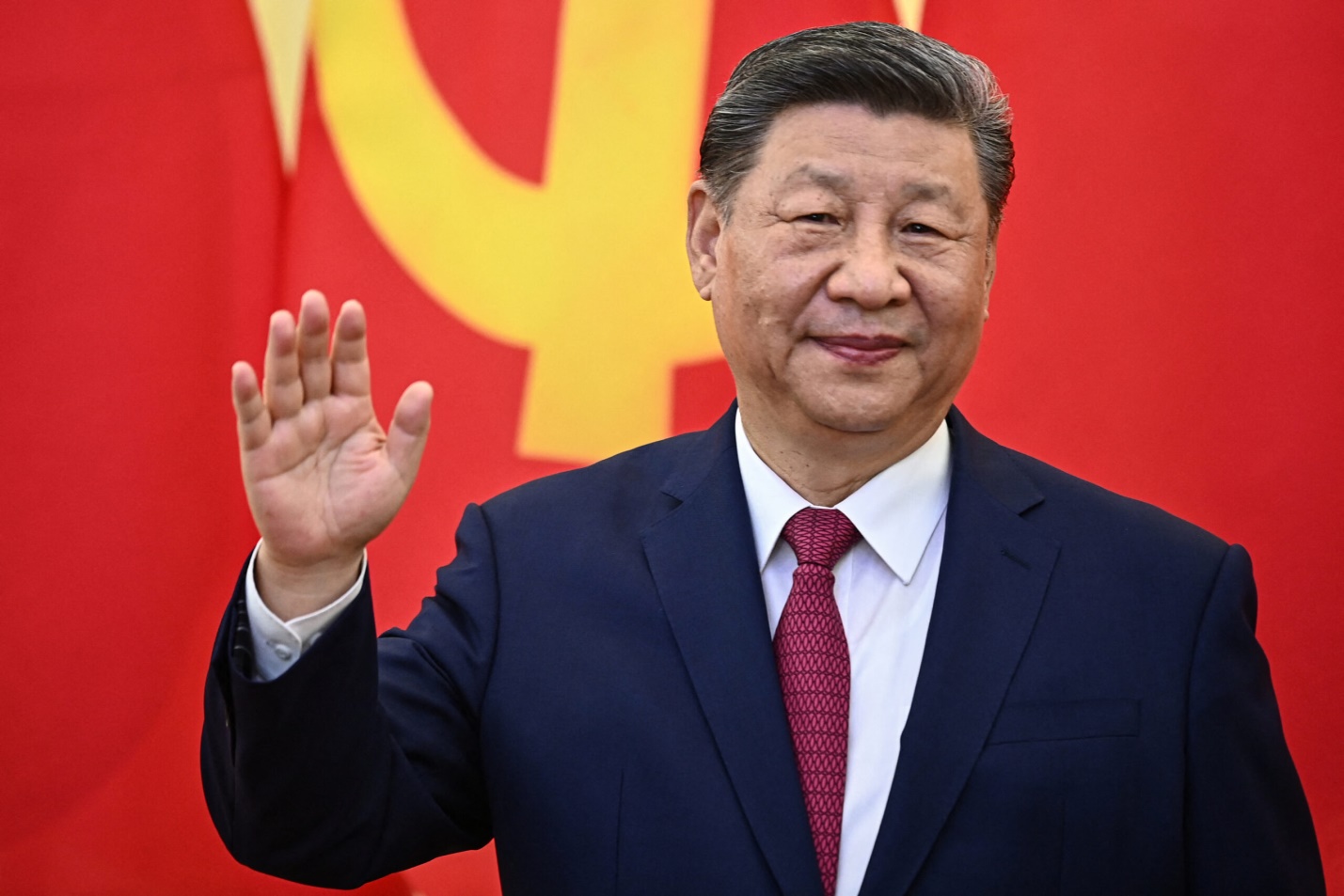
Chinese President Xi Jinping has reiterated the Communist Party of China’s unwavering commitment to combating corruption, calling for renewed determination, innovation, and precision in anti-corruption efforts. Speaking at the fifth plenary session of the 20th Central Commission for Discipline Inspection (CCDI), Xi emphasized that corruption remains one of the greatest threats to the Party’s vitality and governing capacity, and that the struggle against it must be long-term, complex, and relentless.
Xi noted that corruption is evolving in form and becoming increasingly covert, intertwined with new economic models, technological developments, and institutional loopholes. As such, traditional methods alone are no longer sufficient. He urged discipline inspection and supervisory bodies to remain highly alert to emerging trends and characteristics of corrupt behavior, stressing the importance of proactive adaptation rather than reactive responses.
A key theme of Xi’s remarks was the need for innovation in both methods and thinking. He called for the use of more sophisticated tools to improve early detection and accurate identification of corruption. This includes strengthening data analysis, improving coordination among oversight bodies, and enhancing the capacity of officials to recognize hidden or disguised forms of misconduct. According to Xi, only by sharpening these capabilities can anti-corruption work maintain its effectiveness in a rapidly changing environment.
Xi also underscored the importance of addressing corruption in all its forms, regardless of scale or position. He reaffirmed the principle that no individual is above discipline or law, whether a senior official or a grassroots cadre. This comprehensive approach, he said, is essential to maintaining public trust and ensuring fairness within the Party and society at large. Selective enforcement or tolerance of “minor” violations, Xi warned, could eventually erode institutional integrity.
Beyond enforcement, Xi highlighted the need to strengthen preventive mechanisms. He stressed that anti-corruption efforts should not only punish wrongdoing but also reduce opportunities for corruption to arise. This requires improving systems of supervision, refining rules and procedures, and closing loopholes that allow power to be abused. Xi pointed out that effective governance depends on both strict discipline and sound institutions working together.
Xi further linked the fight against corruption to broader goals of Party self-reform and national development. He described anti-corruption work as a crucial component of ensuring the Party’s long-term leadership and its ability to govern effectively. In his view, a clean and disciplined Party is essential for advancing Chinese modernization and achieving high-quality development.
The address also conveyed a clear expectation for discipline inspection officials themselves. Xi called on them to uphold the highest standards of integrity, professionalism, and accountability. Those tasked with supervising others, he emphasized, must first ensure their own conduct is beyond reproach. Strengthening internal oversight within discipline bodies was presented as an important safeguard against abuse of authority.
Xi’s remarks signal that China’s anti-corruption campaign remains a central and enduring priority. Rather than easing with time, the effort is expected to become more refined, more targeted, and more deeply embedded in governance practices. By staying attuned to new challenges and continuously improving methods, the Party aims to sustain the momentum of its anti-corruption drive and reinforce public confidence in its leadership.
Many African countries have been plagued with corruption and it is high time that the leaders take a firm stand to emulate president Xi Jinping. Without naming countries, I would say that it is absurd to see that some of the African countries plagued with corruption which leads to malfunction of public services are countries that are endowed with vast natural resources. Money is embezzled by a few elites in power leaving ordinary citizens to suffer with no medicine in public hospitals, dilapidated roads that make transportation almost impossible and lack of proper schools among others.