
Internet Photos
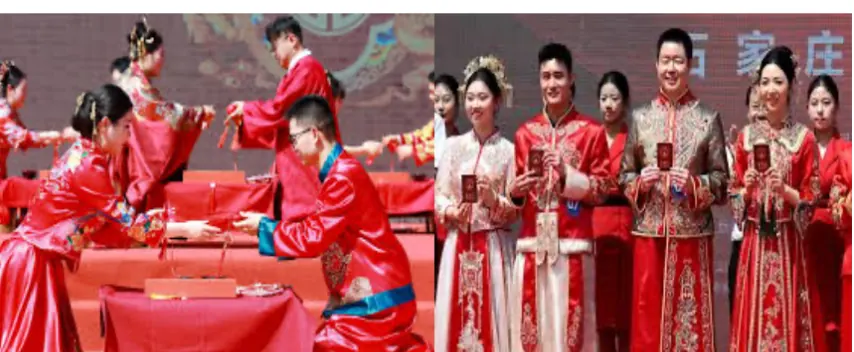
In recent years, May 20 and May 21 have become some of the most romantic dates on the calendar in China. Across the country, young couples rush to register marriages, exchange gifts, organize weddings, and publicly declare their affection on social media. Restaurants, flower shops, jewelry stores, and tourist destinations experience booming business, while marriage registration offices often become overcrowded. But why have these two ordinary dates become symbols of love in China, and what do they reveal about modern Chinese culture?
The answer lies in a fascinating blend of language, technology, commerce, and evolving social traditions.Given the big number of people who cherish these two days as special in their love live, given the opportunity to talk to China policy makers, I would advocate for consideration of making May 20 and 21 national festivals days to celebrate love. Love is about making others happy, it’s about caring and listening to others.
The importance of May 20 comes from the way numbers are pronounced in Chinese. In Mandarin, “520” is pronounced “wu er ling,” which sounds close to “wo ai ni,” meaning “I love you.” Similarly, “521” is interpreted as “I am willing” or “I do,” giving the two days a romantic continuity. This linguistic symbolism reflects a long-standing feature of Chinese culture where numbers carry emotional, spiritual, or symbolic meanings.
Chinese society has historically attached importance to lucky and meaningful numbers. The number 8 symbolizes wealth and prosperity because it sounds similar to the word for “fortune,” while the number 4 is often avoided because its pronunciation resembles the word for “death.” In the same way, 520 gradually evolved into a coded expression of love.
The popularity of the dates expanded rapidly with the rise of texting and internet culture in the late 1990s and early 2000s. Young people in China increasingly used numbers as shorthand expressions in online communication. Over time, “520” became a digital love language widely used in text messages, online chats, and social media posts. What began as internet slang eventually transformed into a nationwide romantic occasion.
Although May 20 and 21 are not traditional Chinese festivals, they have become part of contemporary urban culture, especially among younger generations. Unlike ancient festivals rooted in mythology or agriculture, this modern celebration reflects the digital age and the changing lifestyles of Chinese youth.
However, China already possesses a deep cultural tradition associated with romance and love. The country’s traditional equivalent of Valentine’s Day is the Qixi Festival, also known as the Double Seventh Festival. Rooted in an ancient legend about the cowherd Niulang and the weaving fairy Zhinü, Qixisymbolizes enduring love and reunion. Celebrated for centuries, it demonstrates that the appreciation of love and emotional bonds has always existed within Chinese civilization.
The difference today is that modern Chinese society expresses love more openly and publicly than in previous generations. Traditional Chinese culture often emphasized modesty and restraint in emotional expression. Public declarations of affection were relatively uncommon. But globalization, urbanization, and the influence of digital media have changed attitudes among young people. Romantic relationships are now celebrated with greater visibility and confidence.
The economic dimension of these dates is also significant. Businesses across China actively market May 20 and 21 as shopping festivals. Luxury brands, restaurants, hotels, florists, and e-commerce platforms launch special promotions targeting couples. Online retailers witness sharp increases in sales of jewelry, cosmetics, flowers, chocolates, and romantic travel packages.
Marriage registration offices in many Chinese cities also report extraordinary demand during these dates. Many couples believe registering their marriages on symbolic days will bring happiness and lasting love. In some places, authorities extend working hours to accommodate the surge of applicants.
Beyond commercial activity, these celebrations reveal deeper social realities in modern China. Rapid economic growth, urban pressures, and demanding work schedules have created a fast-paced society where personal relationships can sometimes be neglected. Romantic occasions such as May 20 and 21 offer people opportunities to reconnect emotionally, celebrate companionship, and express affection in meaningful ways.
At the same time, the celebration of love in China increasingly reflects the fusion of tradition and modernity. Ancient cultural beliefs about symbolism coexist with internet culture, consumerism, and social media trends. This combination demonstrates how Chinese society continues to adapt while preserving elements of its cultural identity.
Ultimately, the popularity of May 20 and 21 shows that love remains a universal human value transcending generations and cultures. Whether expressed through ancient legends like Qixi or modern digital codes such as “520,” the desire to cherish emotional connection continues to shape Chinese society. These dates may have emerged from internet culture, but they now represent something much deeper: the enduring importance of love, commitment, and human relationships in an increasingly modern world.
Gerald Mbanda is a researcher and publisher on China-Africa Cooperation and development
Comments
No comments yet. Be the first to comment.