
China’s growing leadership in green energy is increasingly evident through its practical contributions to Africa’s sustainable development. Across the continent, partnerships between China and African countries are delivering renewable energy projects that expand electricity access, reduce environmental harm, and support long-term economic growth. By combining investment, engineering expertise, and technology, China is playing a central role in helping Africa transition toward cleaner energy systems.
One of the clearest examples of this cooperation can be seen in Kenya’s Garissa Solar Power Plant. This large-scale solar project, developed with Chinese support, has become a milestone in East Africa’s renewable energy sector. With a capacity of over 50 megawatts, it supplies electricity to thousands of homes while reducing reliance on fossil fuels. The project also contributes to environmental protection by cutting significant amounts of carbon emissions each year, demonstrating how solar energy can meet growing demand without harming the climate.
Wind energy projects further highlight China’s involvement in Africa’s green transition. In South Africa, the De Aar Wind Farm stands as one of the largest wind power initiatives on the continent. Built with Chinese participation, it generates substantial clean electricity and feeds it into the national grid. This not only helps address energy shortages but also reduces greenhouse gas emissions, showing how wind power can play a key role in achieving sustainable energy goals.
Hydropower is another major area where China has made a strong impact. The Karuma Hydropower Plantin Uganda is a notable example. With a capacity of around 600 megawatts, it significantly boosts the country’s electricity supply and supports industrial growth. As a renewable energy source, it reduces dependence on fossil fuels and contributes to regional energy stability. Similarly, Ethiopia’s Genale Dawa III Hydropower Project with a capacity of 254 megawatts (MW) provides a solution to the country’s ambitious plan to expand electricity access while maintaining low emissions.
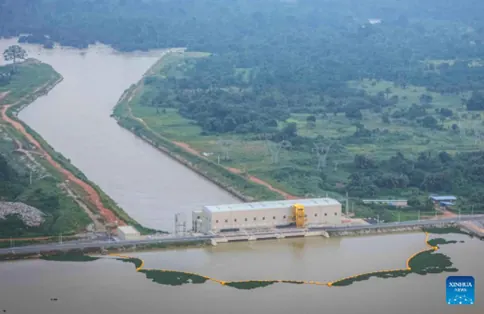
In West Africa, the Gribo-Popoli Hydropower Stationreflects another successful partnership. Developed with Chinese financing and construction, the project strengthens electricity generation capacity while promoting sustainable energy use. Such projects demonstrate how hydropower, when carefully managed, can provide reliable and environmentally friendly energy for growing populations.
China’s involvement in solar energy is also expanding beyond East Africa. In Botswana, the Jwaneng Solar Power Station represents a new phase of cooperation. The project with a capacity to generate 100 megawatts of electricity, helps Botswana reduce its carbon footprint and diversify its energy mix. This reflects a broader trend in which African nations are increasingly turning to solar power as a practical and sustainable solution.
In addition to large-scale projects, China has supported integrated developments that combine energy production with other environmental benefits. Some dam projects, for instance, provide hydropower alongside water supply and irrigation systems. These multi-purpose initiatives improve agricultural productivity, enhance water security, and promote sustainable land use. By addressing multiple challenges at once, they demonstrate how green energy projects can deliver wider social and environmental gains.
What stands out across these examples is the diversity of renewable energy solutions being implemented. From solar and wind to hydropower, China’s cooperation with Africa is not limited to a single technology. Instead, it supports a balanced energy mix that strengthens resilience and reduces vulnerability to climate change. This diversified approach is particularly important for a continent with varied natural resources and energy needs.
Beyond infrastructure development, these partnerships also contribute to environmental protection. Renewable energy projects directly reduce carbon emissions by replacing fossil fuel-based power generation. At the same time, they help limit air pollution and environmental degradation, improving the quality of life for local communities. In some cases, projects are also linked to broader ecological initiatives, such as sustainable water management and land restoration.
Another important aspect of China’s role is the transfer of knowledge and skills. Many projects include training programs for local engineers and technicians, enabling African countries to operate and maintain energy systems independently. This focus on capacity building ensures that the benefits of green energy investments are sustainable and continue long after construction is completed.
China’s contribution to Africa’s green energy transition is clearly reflected in the wide range of successful projects across the continent. From the Garissa Solar Power Plant in Kenya to major hydropower and wind energy developments in Uganda, Ethiopia, and South Africa, these initiatives are transforming how energy is produced and consumed. By supporting renewable energy, reducing carbon emissions, and promoting environmental sustainability, China is helping Africa move toward a cleaner and more resilient future.
Comments
No comments yet. Be the first to comment.