
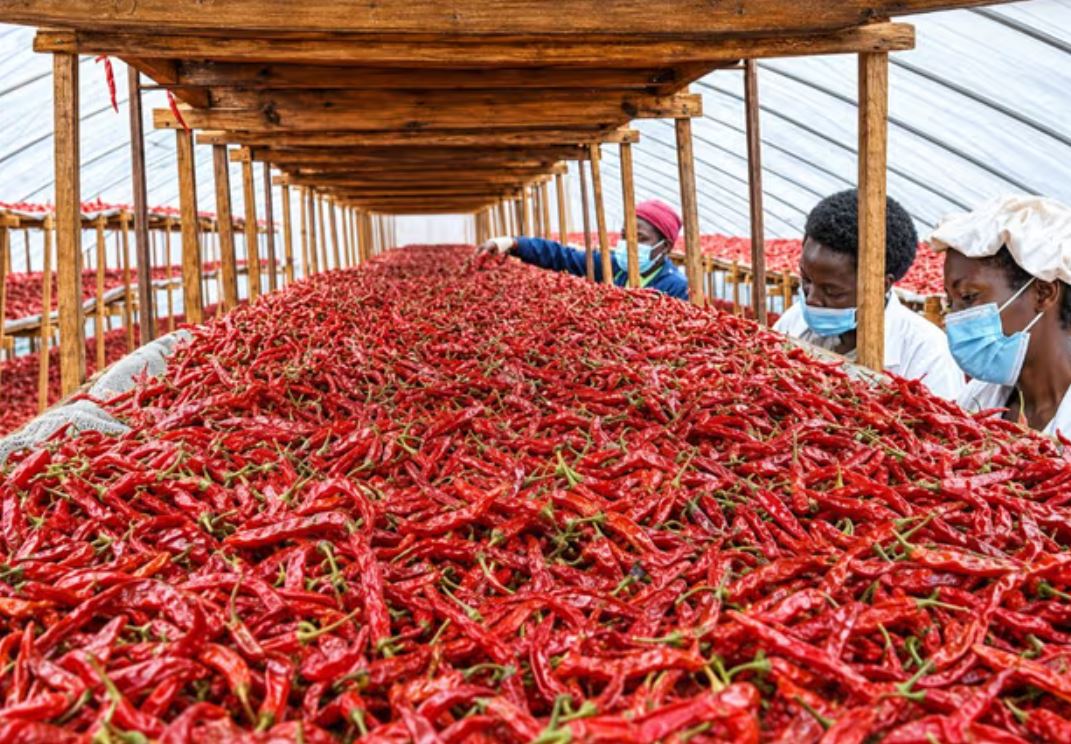
Exports reached $142.38 million (about Rwf210.4 billion) in the second quarter, up 248.3% from $40.88 million (about Rwf60.4 billion) recorded during the same period in 2025. First-quarter exports stood at $94.61 million (about Rwf139.8 billion).
If the current pace continues, Rwanda could set a new annual export record in the Chinese market.
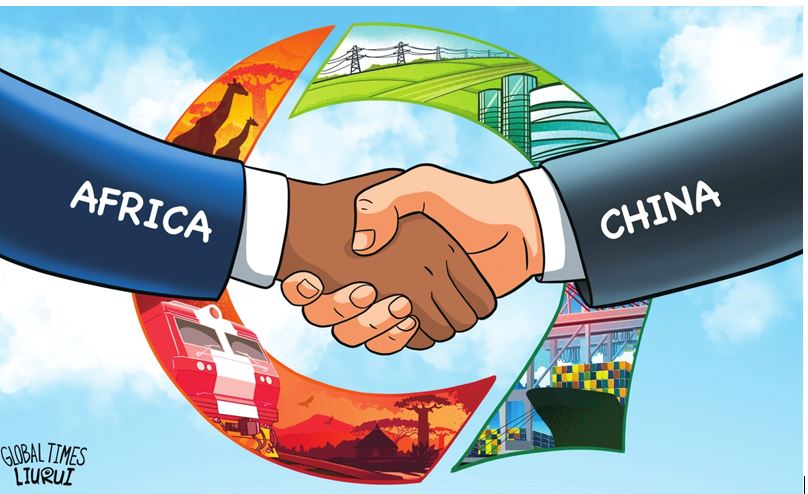
Trade between Rwanda and China has expanded significantly in recent years, creating opportunities for Rwandan exporters while strengthening China's position as a major supplier of goods to Rwanda.
Bilateral trade reached approximately $849 million in 2025, up from $300 million in 2019. Rwanda's exports to China increased from $35 million to $227 million over the same period, representing growth of approximately 549%.
Registered investment by Chinese companies in Rwanda also rose from $460 million in 2024 to $548.5 million in 2025, an increase of 19%. Chinese businesses operate in sectors including manufacturing, infrastructure, construction, energy and real estate.
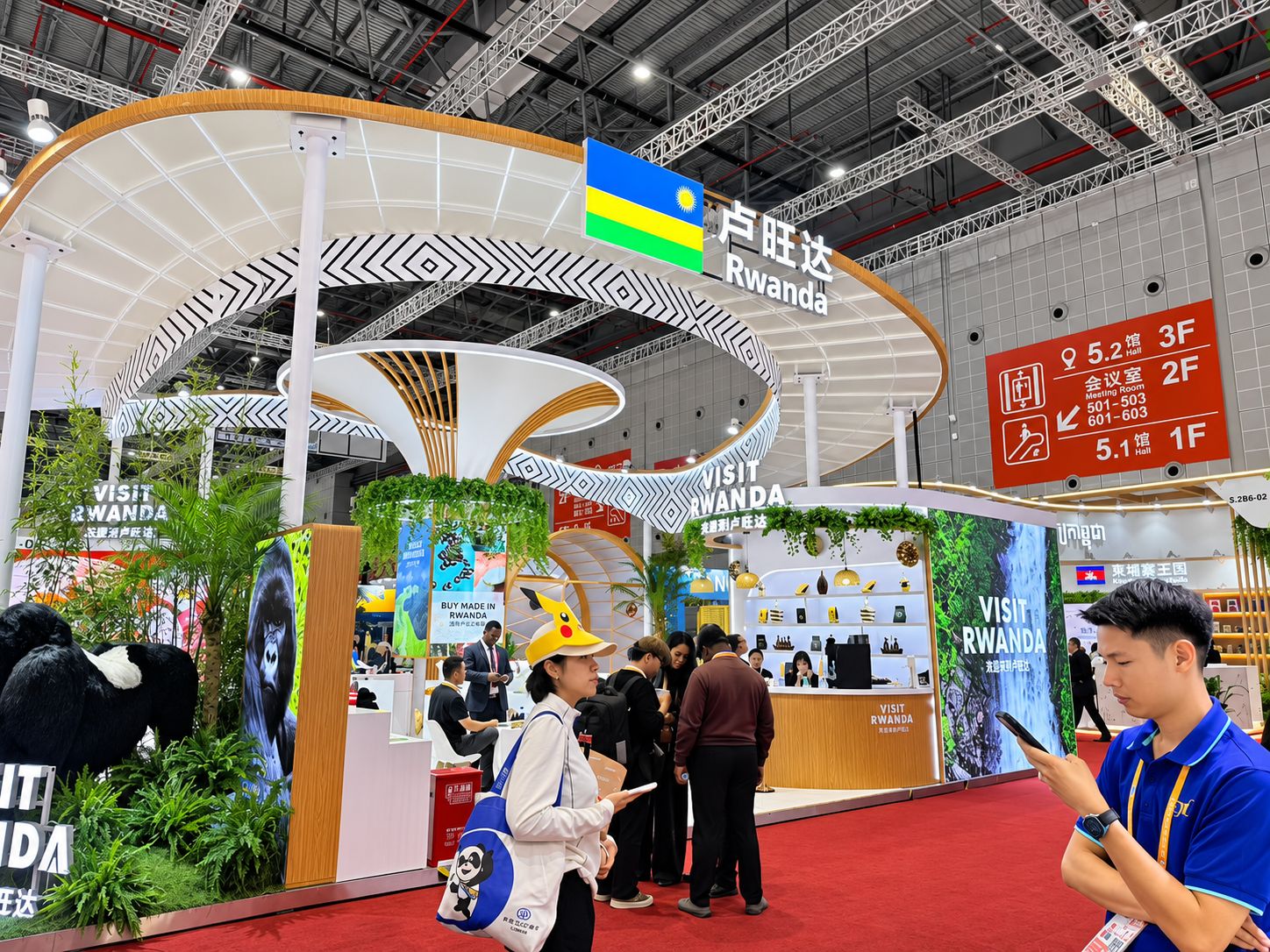
The growing commercial relationship is on display in Shanghai, where Rwanda is participating in the ninth China International Import Expo (CIIE), running from November 5 to 10 at the National Exhibition and Convention Center.
Rwanda has participated in the expo since its inaugural edition in 2018. This year's event has attracted 4,142 overseas exhibitors.
The exhibition spans more than 440,000 square metres, its largest area since the event began. More than 480 products and innovations are making their global, Asian or Chinese market debuts, offering exhibitors opportunities to reach new buyers.
The event brings together 162 countries, regions and international organisations. Its Country Exhibition features 65 countries and four international organisations, while the programme includes 23 themed forums, 80 supporting events and the inaugural Report on Capacity for Exporting to China.
Chinese Vice Premier Ding Xuexiang described the market the expo seeks to connect with, saying: “Today China is both a world factory and a world market.”
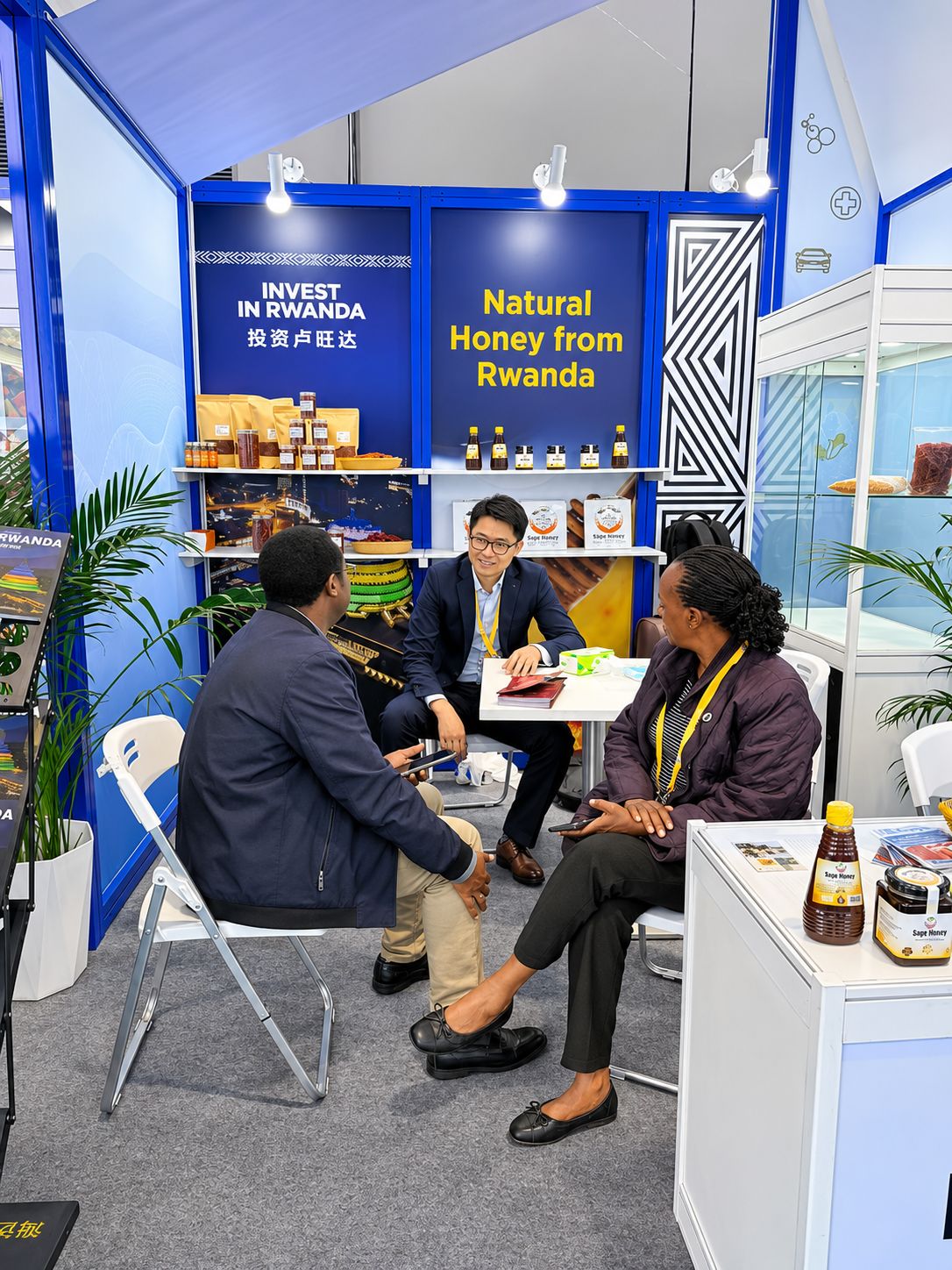
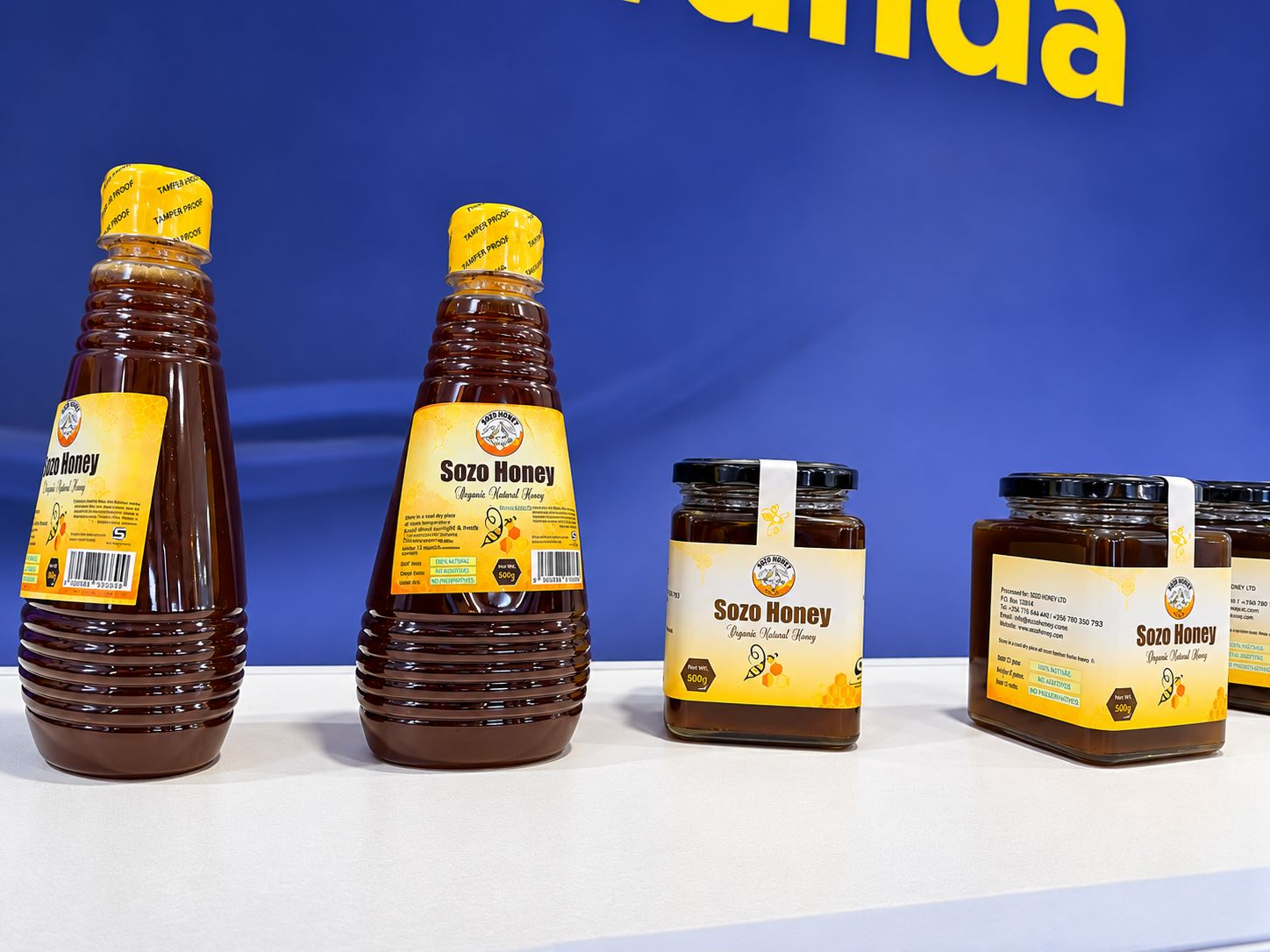
At the Rwandan pavilion, businesses are showcasing specialty coffee, tea, chili, dried fruits, natural honey, macadamia nuts and handicrafts.
For Ivan Shema, founder of 1000 Hills Products, the expo presents an opportunity to connect with buyers in Asia.
The company adds value to Rwandan coffee and fruit and has exported coffee to Poland since 2015, from where its products reach other European markets.
At this year's expo, it is presenting coffee, dried pineapple and mango, as well as fresh avocado.
“We are expecting that we can have a market in China,” Shema told IGIHE, adding that the company is ready to supply both roasted and green coffee.
Rwanda and China are also marking 55 years of diplomatic relations. Rwanda's participation in the expo builds on the Comprehensive Strategic Partnership announced in September 2024 and cooperation under the Belt and Road Initiative and the Forum on China-Africa Cooperation.
Rwanda's Ambassador to China, Amb. Lt Gen (Rtd) Emmanuel Karenzi Karake, said CIIE provides local businesses with an important platform to connect with Chinese buyers.
“CIIE has proven to be an invaluable platform for Rwandan enterprises, particularly smallholder farmers and women-led cooperatives, to access the Chinese market and build lasting business partnerships. … Every cup of Rwandan coffee or taste of our honey enjoyed by Chinese consumers represents an opportunity to support Rwandan farmers, families and entrepreneurs,” he said.
Zero tariffs could widen export opportunities
China-Africa trade reached a record $348.05 billion (about Rwf514.4 trillion) in 2025, up 17.7% from the previous year.
China imported $123.02 billion (about Rwf181.8 trillion) worth of African goods while exporting US$225.03 billion (about Rwf332.6 trillion) to the continent.
In Rwanda's second quarter of 2026, China was the country's largest source of imports, supplying goods worth $415.89 million (about Rwf614.7 billion).
The figures illustrate the two-way nature of the relationship, with Rwanda exporting agricultural and other products to China while importing a wide range of manufactured goods.
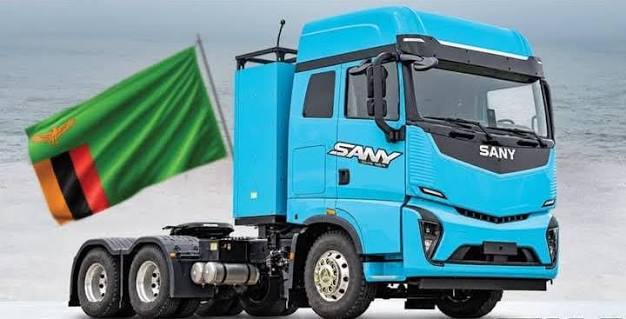
Chinese exports to Rwanda include vehicles, electrical equipment, machinery, construction materials and textiles. In 2025, vehicle exports were valued at approximately $130.45 million (about Rwf192.8 billion), electrical and electronic equipment at $114.65 million (about Rwf169.5 billion), and machinery at $46.62 million (about Rwf68.9 billion).
China imported merchandise worth approximately $2.59 trillion (about Rwf3,828 trillion) in 2025 and exported $3.77 trillion (about Rwf5,572 trillion).
It has remained the world's second-largest goods importer for 17 consecutive years and is a major export destination for nearly 80 countries.
Ding said China does not deliberately pursue trade surpluses, emphasising the importance of more balanced international trade.
“We pursue a positive, dynamic and upward-oriented trade balance, striving for more balanced, coordinated and inclusive global development,” he said.
An important development for African exporters is China's zero-tariff treatment for eligible goods.
The policy took effect for qualifying Rwandan products on December 1, 2024. On May 1, 2026, it was extended to all 53 African countries with which China maintains diplomatic relations, subject to applicable rules of origin and product requirements.
China's Ministry of Commerce said imports from Africa reached $28.61 billion (about Rwf42.3 trillion) in May and June, up 23.5% from the same period in 2025.
During the period, African avocado imports increased by 130%, apple imports by 89.6% and orange imports by 27.9%.
“We will continue hosting the ‘Export-to-China’ series events, import more high-quality goods and services,” Ding said.
China's expanding consumer market also presents opportunities for exporters. The country projects annual retail sales of consumer goods to reach approximately 60 trillion yuan (about Rwf13,235.7 trillion), while its services sector is expected to exceed 100 trillion yuan (about Rwf22,059.5 trillion) by the end of its 15th Five-Year Plan period.


Comments
No comments yet. Be the first to comment.