
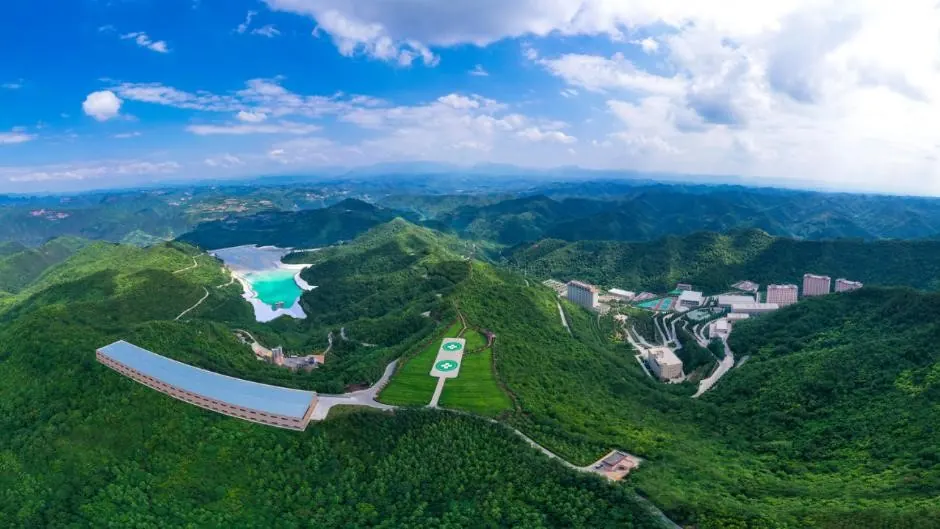
Africa’s vast mineral wealth is both an opportunity and a responsibility. Across the continent, extractive industries contribute significantly to economic growth, employment, and infrastructure development. Yet in many countries, mining—especially open-cast methods—has come at a high environmental cost. Land degradation, deforestation, water pollution, and community displacement remain persistent challenges. As Africa seeks a more sustainable development path, valuable lessons can be drawn from China’s transformation of its mining sector through the development of “green mines.”
Over the past two decades, China has undertaken a deliberate shift toward environmentally responsible mining. Recognizing the ecological toll of rapid industrialization, Chinese authorities introduced policies that prioritize sustainability, technological innovation, and strict environmental governance. Today, thousands of mines across the country are classified as “green mines,” operating under standards that integrate resource efficiency, environmental protection, and community well-being. This transition offers practical insights for Africa.
One of the most important lessons is the role of strong policy direction. China’s success did not happen by chance; it was driven by clear national guidelines, regulatory frameworks, and enforcement mechanisms. Mining companies are required to meet environmental standards, restore mined land, and reduce emissions. For African countries, this underscores the importance of not only drafting environmental regulations but also ensuring their consistent implementation. Policies must move beyond paper commitments to real accountability.
Technology is another critical area where Africa can learn from China’s experience. Chinese green mines rely heavily on advanced machinery, automation, and digital monitoring systems. These technologies reduce waste, improve efficiency, and minimize environmental damage. For instance, precision mining techniques limit unnecessary excavation, while real-time monitoring helps detect pollution risks early. Many African mining operations still depend on outdated equipment, which contributes to excessive land disruption and resource loss. Investing in modern technology—possibly through partnerships with Chinese firms—could significantly improve sustainability outcomes.
Equally important is land restoration and ecological rehabilitation. In China, mining companies are required to rehabilitate sites once extraction is complete. This includes reforestation, soil stabilization, and the creation of new ecosystems or agricultural land. Some former mining areas have even been transformed into parks or tourist attractions. In contrast, abandoned mines in parts of Africa often remain scarred landscapes, posing long-term environmental and safety risks. Adopting a lifecycle approach to mining—where restoration is planned from the outset—can help reverse this trend.
Community engagement is another area where China’s green mining model offers lessons. Sustainable mining is not only about protecting nature but also about improving the livelihoods of local populations. In many Chinese projects, companies invest in local infrastructure, education, and job creation. This helps build trust and ensures that communities benefit directly from resource extraction. African governments and mining firms can strengthen community relations by prioritizing inclusive development and fair compensation.
Financing and incentives also play a crucial role. China has supported green mining through subsidies, tax incentives, and access to financing for environmentally compliant companies. This encourages businesses to adopt sustainable practices without fearing excessive financial burdens. African countries could design similar incentive structures to reward companies that invest in cleaner technologies and responsible operations.
However, adapting China’s model requires careful consideration of Africa’s unique context. Differences in governance capacity, economic conditions, and institutional frameworks mean that solutions must be tailored rather than copied wholesale. Regional cooperation, knowledge sharing, and capacity building will be essential in this process. Organizations such as the African Union can play a key role in promoting best practices and harmonizing standards across member states.
Ultimately, the shift toward green mining is not just an environmental necessity; it is an economic opportunity. By embracing sustainable practices, African countries can attract responsible investment, enhance the value of their resources, and protect ecosystems for future generations. China’s experience demonstrates that it is possible to balance industrial growth with environmental stewardship.
The path forward for Africa lies in learning, adapting, and innovating. By drawing on the lessons of China’s green mines—strong policies, advanced technology, ecological restoration, community engagement, and supportive financing—the continent can redefine its mining sector. In doing so, Africa can ensure that its natural wealth becomes a foundation for sustainable and inclusive development, rather than a source of environmental decline.




Comments
No comments yet. Be the first to comment.