
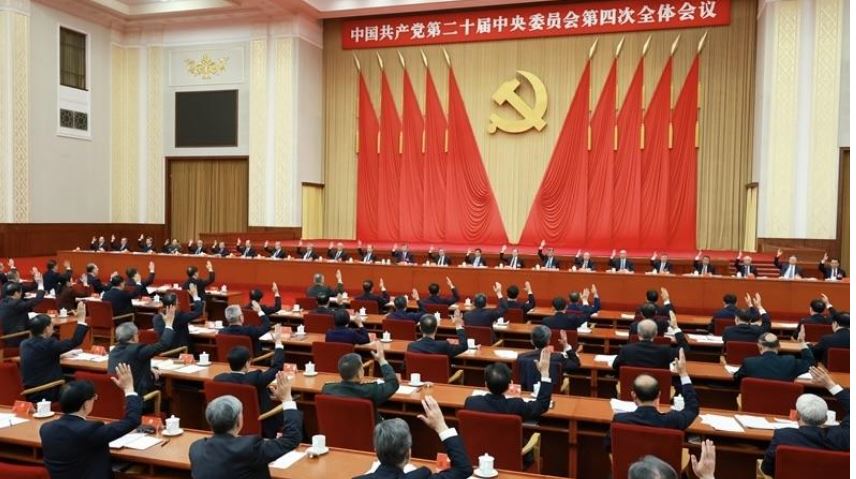
As China advances along the path of modernization and national rejuvenation, the Fifth Plenary Session of the 20th Central Committee of the Communist Party of China (CPC), expected to take place in Beijing from October 26 to 29, 2026, is attracting considerable attention. The meeting comes at a time when China seeks to consolidate its development achievements, navigate a complex international environment and prepare for the next phase of its long-term development strategy. Its importance lies not only in the policies it may introduce but also in the direction it will set for China’s economic, social and technological transformation.
One of the most significant expectations is that the plenary session will help shape China’s development priorities for the 15th Five-Year Plan period, covering 2026–2030. Five-year plans have long served as important instruments for translating the CPC’s strategic objectives into economic and social policies. The new planning period is particularly important because it will determine how China consolidates its progress towards socialist modernization by 2035.
The meeting is expected to provide strategic guidance on economic growth, industrial upgrading, technological innovation, environmental protection and improvements in people's livelihoods. The central challenge will be to balance the pursuit of high-quality development with the need to maintain economic stability, strengthen domestic demand and create sustainable employment. The decisions taken could therefore influence not only the direction of China's economy but also the country's broader development trajectory over the coming years.
China's economic priorities are increasingly centered on high-quality development rather than growth measured by speed alone. The plenary session is expected to reinforce efforts to build a more innovative, efficient and resilient economy.
A major focus will likely be the expansion of domestic consumption, the development of advanced manufacturing and the improvement of the business environment. China faces the task of addressing challenges such as uneven consumer confidence, pressures in the property sector, demographic changes and differences in regional development. Strengthening household demand while encouraging productive investment will be essential to sustaining growth.
The meeting may also emphasize the role of the private sector, state-owned enterprises and market-oriented reforms in supporting economic dynamism. How China balances the roles of the market and the state will remain an important question for businesses, investors and international observers.
Technological development is another area likely to feature prominently. In an increasingly competitive global environment, China has placed considerable emphasis on strengthening its capacity in artificial intelligence, semiconductors, advanced robotics, biotechnology, quantum technology and other strategic industries.
The plenary session is expected to provide direction on integrating scientific research with industrial development and accelerating the application of technological breakthroughs. Greater technological self-reliance would help reduce vulnerabilities in critical supply chains and strengthen China's capacity to respond to external restrictions.
At the same time, innovation will need to translate into tangible economic and social benefits. Supporting research, cultivating skilled workers, encouraging entrepreneurship and improving the commercialization of scientific discoveries will be crucial to turning technological ambition into long-term productivity gains.
An especially important aspect of the forthcoming meeting is its officially announced focus on advancing full and rigorous Party self-governance. According to the September 21 announcement, the Central Committee will consider a draft decision on major issues concerning the sustained advancement of this agenda. This makes Party discipline, institutional accountability and the improvement of governance central themes of the session.
The emphasis reflects the CPC leadership's view that effective governance is essential to achieving national development objectives. Strengthening discipline, addressing misconduct and improving oversight are intended to enhance the Party's governing capacity and maintain public confidence. The meeting will therefore be significant not simply as an occasion for reviewing internal rules, but as an opportunity to reinforce the institutional foundations on which China's modernization strategy depends.
The central question will be how decisions on Party self-governance translate into more effective administration, greater accountability and improved implementation of policies at different levels of government. Consistency between political commitments and practical results will be an important measure of success.
Modernization is not solely about economic output or technological achievements. Its broader significance lies in whether development improves people's everyday lives. Employment, education, healthcare, social security, affordable housing and support for an ageing population will remain important tests of China's development approach.
The plenary session will also attract international attention because China's domestic governance and economic policies have consequences beyond its borders. As a major trading nation and an important participant in global manufacturing and technological development, China's policy direction influences international supply chains, investment decisions and commodity markets.
A renewed emphasis on effective governance could reinforce policy continuity and implementation capacity. For foreign investors and trading partners, however, the practical implications will depend on the measures adopted, the regulatory environment and the extent to which China sustains predictable economic engagement.
The Fifth Plenary Session of the 20th CPC Central Committee is important because it places Party governance and institutional discipline at the Centre of China's continuing modernization agenda. Its officially announced focus is not the formulation of the 15th Five-Year Plan, which was addressed at the Fourth Plenary Session in October 2025, but the sustained advancement of full and rigorous Party self-governance. This distinction is essential to understanding the meeting accurately.
As China pursues national rejuvenation through Chinese modernization, the forthcoming meeting will provide an important indication of how the CPC intends to strengthen its governing capacity and respond to emerging domestic and international challenges. Its lasting importance will depend not only on the decisions announced in Beijing, but also on how consistently and effectively those decisions are implemented in the years ahead.
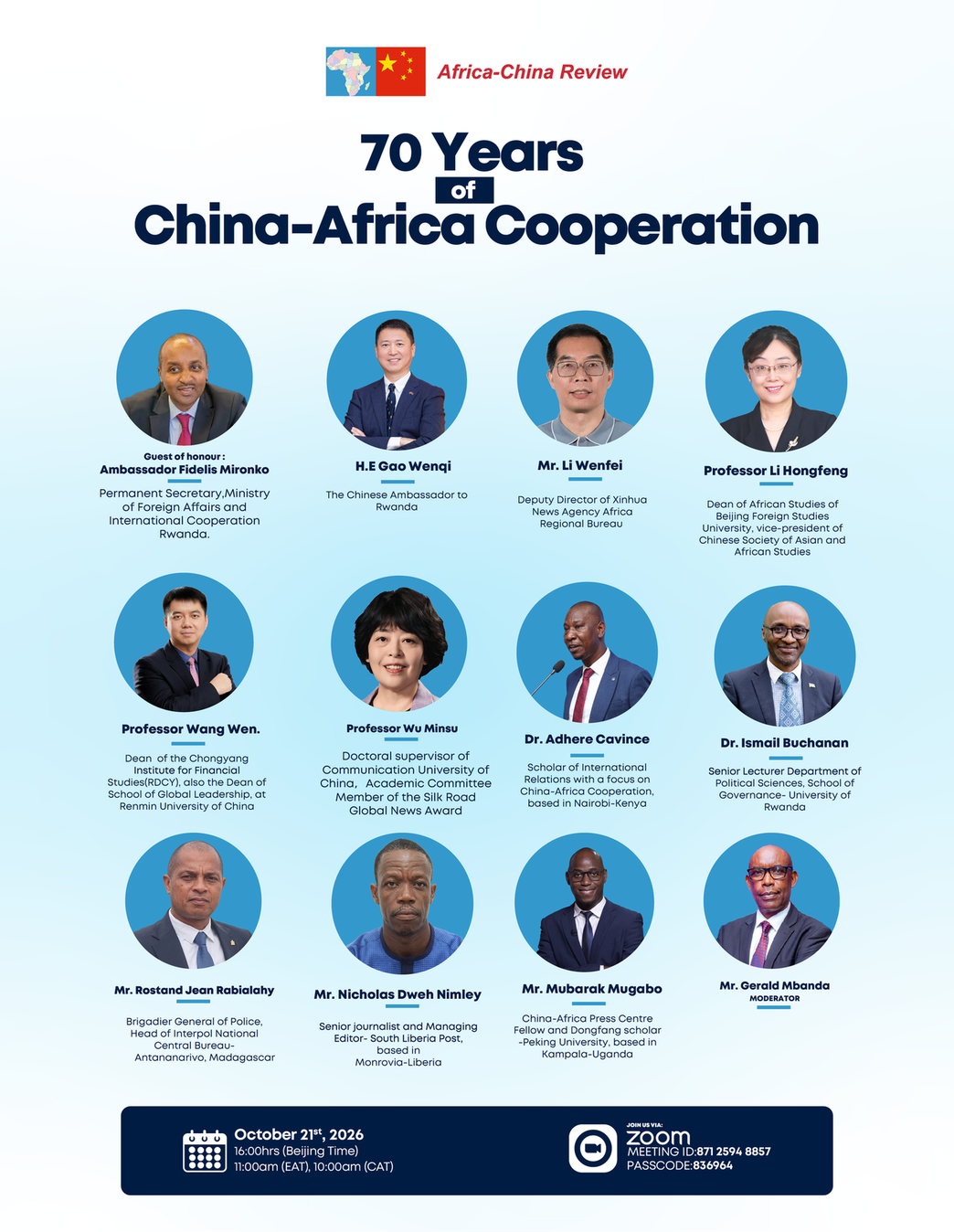
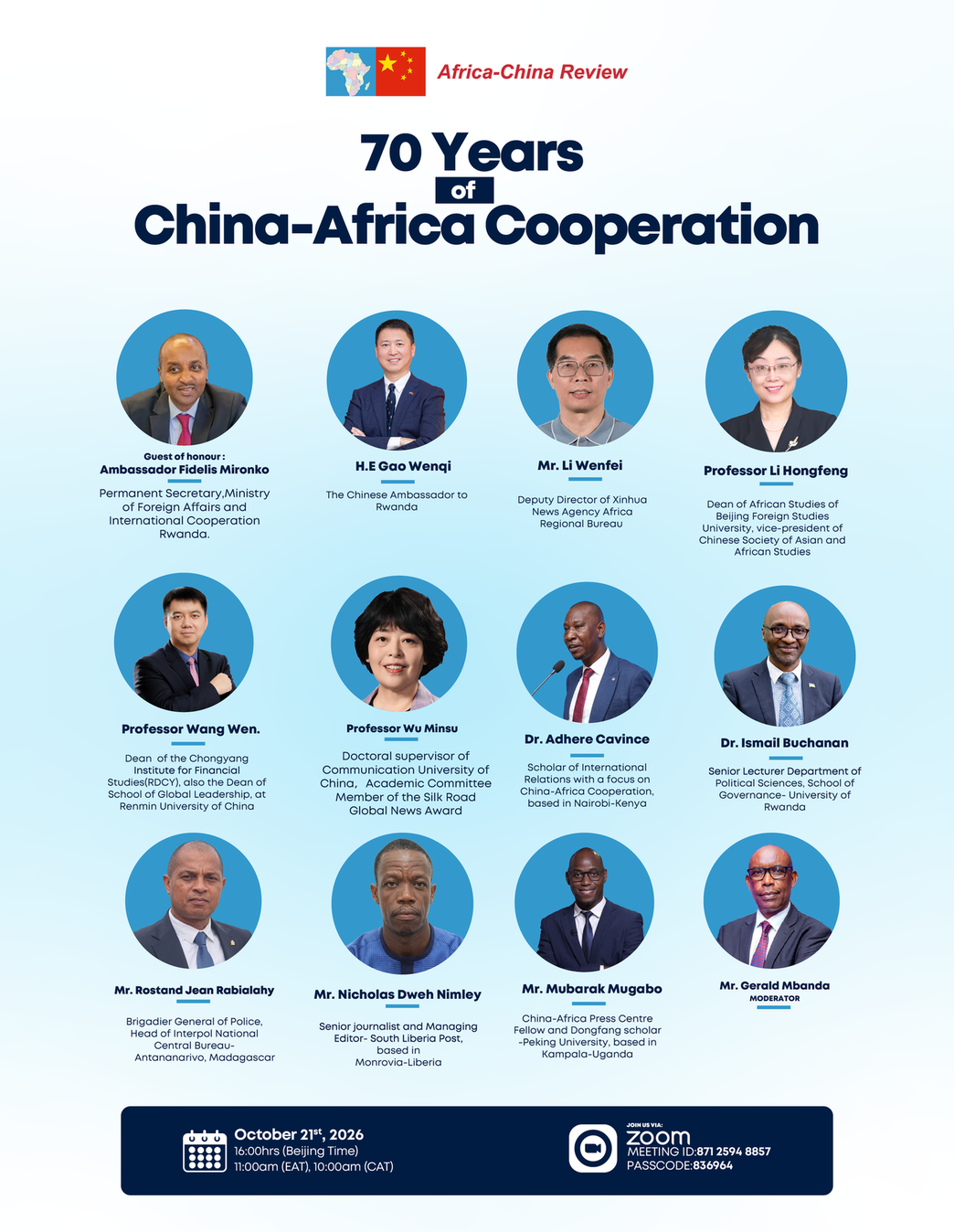
Gerald Mbanda is a researcher and publisher on China-Africa Cooperation and development.

Comments
No comments yet. Be the first to comment.