
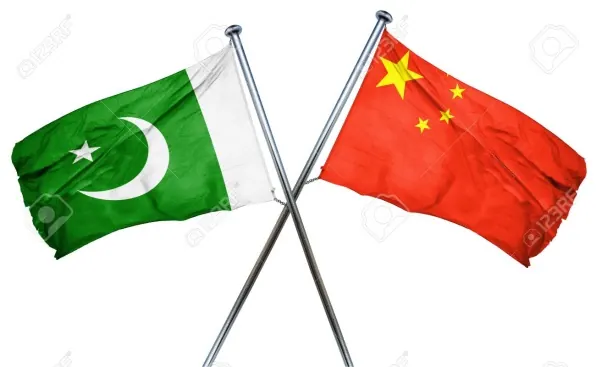
The recent Five-Point Initiative proposed by China and Pakistan marks a significant diplomatic effort aimed at restoring peace and stability in the Gulf and the broader Middle East. At a time when tensions have sharply escalated following the attack on Iran by the United States and Israel, this initiative stands out as one of the first structured proposals focused on de-escalation rather than confrontation. Its importance lies not only in its timing but also in the principles it promotes—dialogue, restraint, and cooperative security.
The Middle East has long been a region shaped by complex rivalries, shifting alliances, and recurring conflicts. In such an environment, military responses often dominate the narrative, reinforcing cycles of retaliation. The Five-Point Initiative challenges this pattern by emphasizing political and diplomatic solutions. By doing so, China and Pakistan are advocating for a shift away from zero-sum thinking, where one side’s gain is perceived as another’s loss, toward a framework where mutual security is prioritized.
One of the key aspects of this initiative is its call for immediate de-escalation. In the aftermath of military strikes, emotions run high, and the risk of miscalculation increases significantly. By urging restraint from all parties, the proposal seeks to prevent the situation from spiraling into a wider regional conflict. This is particularly crucial in the Gulf, where even limited confrontations can disrupt global energy supplies and economic stability.
Another important element is the emphasis on dialogue and negotiation. The initiative highlights the need for inclusive discussions involving all relevant stakeholders. This approach recognizes that sustainable peace cannot be imposed through force; it must be built through consensus and mutual understanding. By encouraging diplomatic engagement, China and Pakistan are reinforcing the idea that even deeply entrenched disputes can be addressed through peaceful means.
The initiative also reflects a broader shift in global diplomacy. Traditionally, major Western powers have played a dominant role in Middle Eastern affairs. However, the proactive involvement of China and Pakistan signals the emergence of new voices advocating for conflict resolution. This diversification of diplomatic efforts can be beneficial, as it introduces alternative perspectives and reduces the likelihood of unilateral actions that may exacerbate tensions.
Equally significant is the moral message embedded in the proposal: there are no true winners in war. While military actions may achieve short-term objectives, they often come at a high human and economic cost. Civilians bear the brunt of violence, infrastructure is destroyed, and long-term instability is created. By stressing that all sides ultimately lose in war, the initiative underscores the urgency of pursuing peaceful solutions.
Furthermore, the Five-Point Initiative aligns with the principles of international law and the United Nations Charter, which advocate for the peaceful resolution of disputes and respect for sovereignty. By grounding their proposal in these principles, China and Pakistan are reinforcing the legitimacy of their approach and encouraging other nations to follow suit.
The China-Pakistan Five-Point Initiative represents a timely and meaningful effort to address rising tensions in the Gulf and the Middle East. Its focus on dialogue, restraint, and cooperation offers a constructive alternative to the cycle of conflict that has long plagued the region. At a moment when the risk of escalation is high, this initiative serves as a reminder that peace is not achieved through force, but through understanding and negotiation. If embraced by the international community, it could pave the way for a more stable and secure future—one where diplomacy triumphs over war, and where all nations recognize that lasting peace benefits everyone.
Comments
No comments yet. Be the first to comment.