
The recent visit of Donald Trump to China and his bilateral talks with Chinese President Xi Jinping marked a significant moment in contemporary international relations. Understanding the significance of the visit requires examining it through several dimensions: economic, political, diplomatic, social, and cultural. Each of these aspects reveals deeper messages about the evolving relationship between China and the United States.
Economically, the visit demonstrated that trade and business remain the backbone of China-US relations despite years of disagreements over tariffs and strategic competition. One of the most striking observations was Trump traveling alongside leading American business executives and investors aboard Air Force One. This was not merely ceremonial; it signaled that economic interests were central to the visit. The presence of major corporate leaders showed that Washington recognizes the importance of the Chinese market to American businesses and investors.
The United States and China maintain one of the largest trade relationships in the world, with bilateral trade valued in hundreds of billions of dollars annually. However, this relationship has in recent years been overshadowed by tariff wars, restrictions on technology exports imposed by the United States, forcing China to complain about unfair trade practices. Trump’s decision to prioritize economic engagement suggests an understanding that confrontation alone cannot sustain American economic interests. Instead, dialogue and negotiation remain necessary to stabilize global markets and create opportunities for businesses on both sides.
For China, the visit reinforced its position as a key driver of global economic growth. Beijing showcased confidence and openness to cooperation while emphasizing mutual benefit rather than confrontation. The visit also showed that neither side can afford complete economic separation because their economies are deeply interconnected.
Politically, the visit highlighted both the tensions and the resilience within China-US relations. There are serious disagreements between the two countries, particularly on issues such as Taiwan, military presence in the Asia-Pacific region, and differing political systems. The United States continues to supply arms to Taiwan and maintains close unofficial relations with the island, contrary to the One China Principle and the Three Joint Communiqués signed between the two countries.
Despite these differences, the meeting demonstrated the importance of maintaining open communication channels. In international politics, dialogue is essential in preventing misunderstandings and reducing the risk of conflict. The willingness of both leaders to meet face-to-face showed political maturity and recognition that global stability depends heavily on cooperation between Beijing and Washington.
Although nothing much is expected to change in American foreign policy toward China, the symbolism of the visit mattered greatly. It showed that diplomacy remains possible even in periods of strategic competition. The atmosphere of cordiality between Xi and Trump also contrasted sharply with the hostile rhetoric often seen in sections of American political discourse and media portrayals of China. This created an image of leaders capable of engaging respectfully despite ideological and geopolitical disagreements.
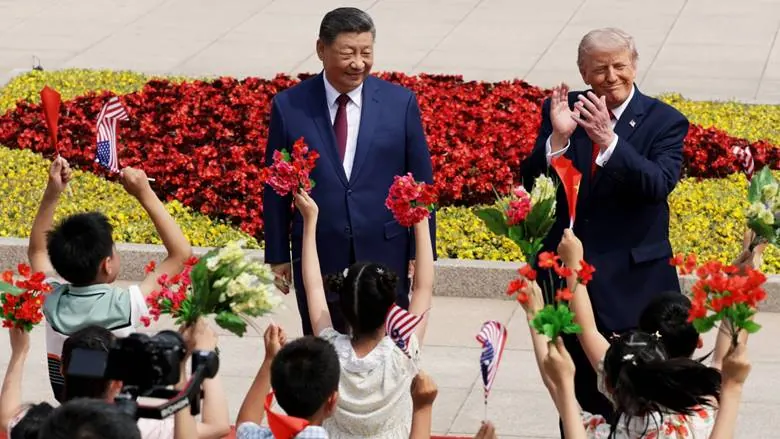
Diplomatically, the visit reflected careful statecraft from the Chinese side. President Xi received Trump with full state honors, demonstrating respect for both the office of the American president and the importance China attaches to bilateral relations. From the welcoming children waving American flags and flowers at the airport to the military guard of honor, every detail was carefully designed to communicate friendship, dignity, and openness.
Such diplomatic gestures are important in Chinese political culture, where symbolism and protocol carry deep meaning. By extending exceptional hospitality, China projected itself as a responsible major power committed to peaceful engagement. It also allowed Beijing to present her true image internationally at a time when many Western narratives portray China as aggressive or confrontational.
The diplomatic significance of the visit was further seen in the private interactions between the two leaders. President Xi hosted Trump in a relaxed environment, including, a private meeting and walk in the Zhongnanhai leadership compound in central Beijing, which is rarely opened to foreign guests. Trump’s curiosity about whether other visitors had received such treatment reflected the uniqueness of the gesture. In diplomacy, personal chemistry between leaders can influence broader relations between states. The informal moments helped create an atmosphere of trust and mutual respect, even if policy disagreements remain unresolved.
Socially, the visit demonstrated the importance of people-to-people relations in easing tensions between nations. The images of children enthusiastically welcoming Trump conveyed a message that ordinary Chinese citizens do not view Americans as enemies. Instead, the reception emphasized friendship and coexistence between peoples despite political disputes at the government level.
This social dimension matters because public perception often shapes international relations. In recent years, anti-China rhetoric in parts of the United States and anti-American sentiments in some circles elsewhere have contributed to mistrust. The warm reception offered during the visit challenged narratives of inevitable hostility between the two nations. It reminded the world that cultural understanding and human interaction remain essential foundations for peaceful coexistence.
Culturally, the state banquet at the Great Hall of the People and ceremonial activities symbolized the blending of two civilizations with different histories and traditions. Food, hospitality, and shared moments at the banquet represented more than protocol; they reflected China’s emphasis on respect, harmony, and relationship-building. The combination of Chinese traditions with accommodation for American tastes symbolized an attempt to bridge cultural differences through mutual appreciation.
Ultimately, Trump’s visit to Beijing carried significance far beyond official meetings and policy discussions. Economically, it emphasized interdependence and the importance of trade dialogue. Politically, it showed that communication remains possible despite deep disagreements. Diplomatically, it highlighted China’s adherence to the principles of peaceful coexistence. Socially, it promoted the idea of friendship between peoples, while culturally it reflected efforts to build understanding between two great civilizations.
The visit therefore represented more than a temporary diplomatic event. It signaled the possibility of opening a new chapter in China-US relations based not on confrontation alone, but on engagement, dialogue, and recognition of shared global responsibilities. As President Xi rightly observed, the two countries can co-exist in harmony by President Trump endeavoring to make America great again, and President Xi dedicated to leading the Chinese people towards national rejuvenation.
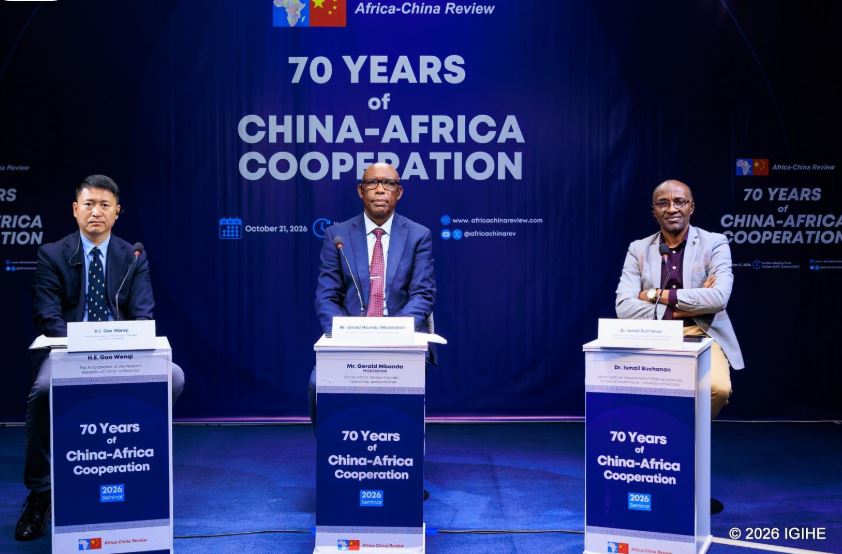
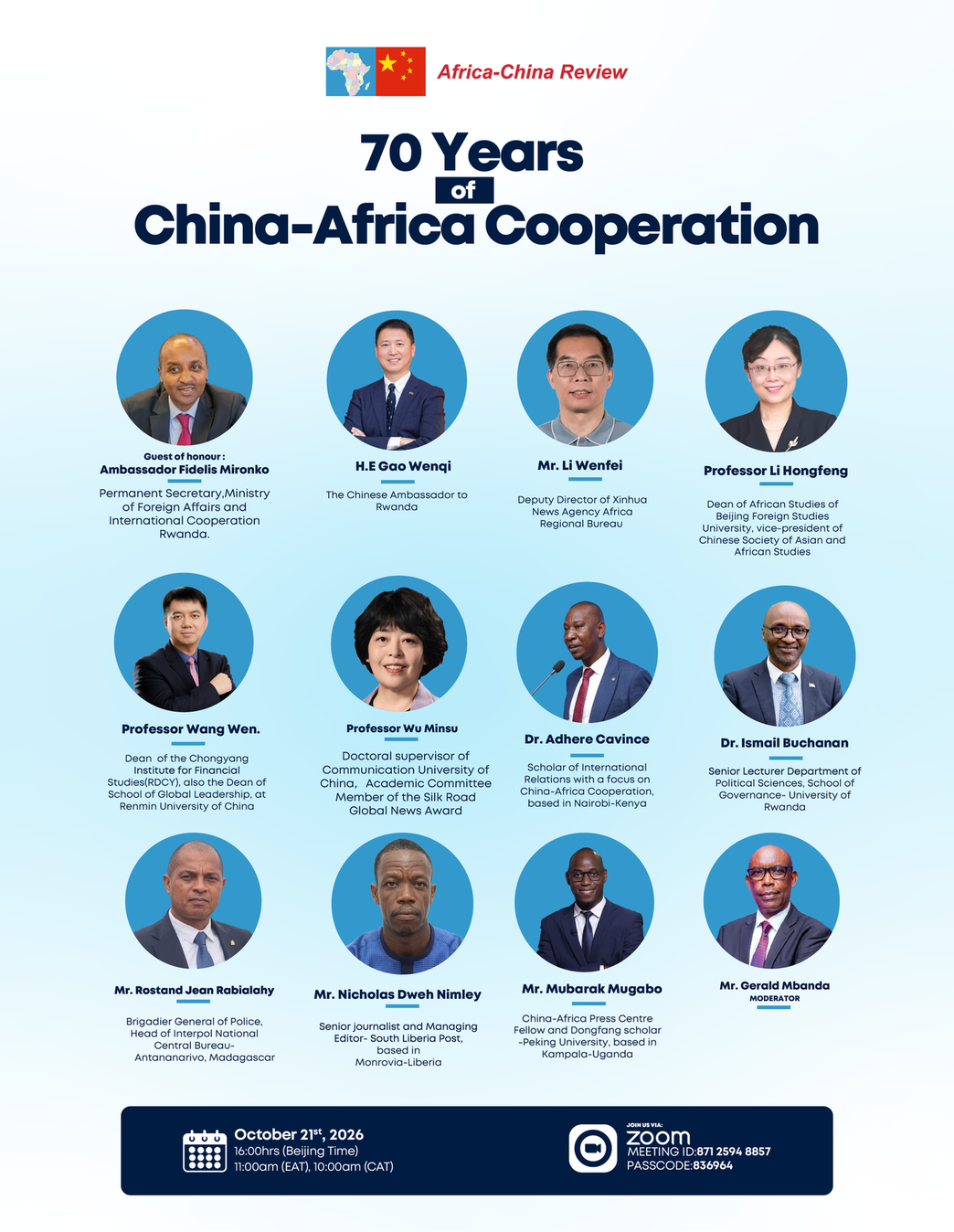
Gerald Mbanda is a researcher and publisher on China-Africa Cooperation and development.
Comments
No comments yet. Be the first to comment.