
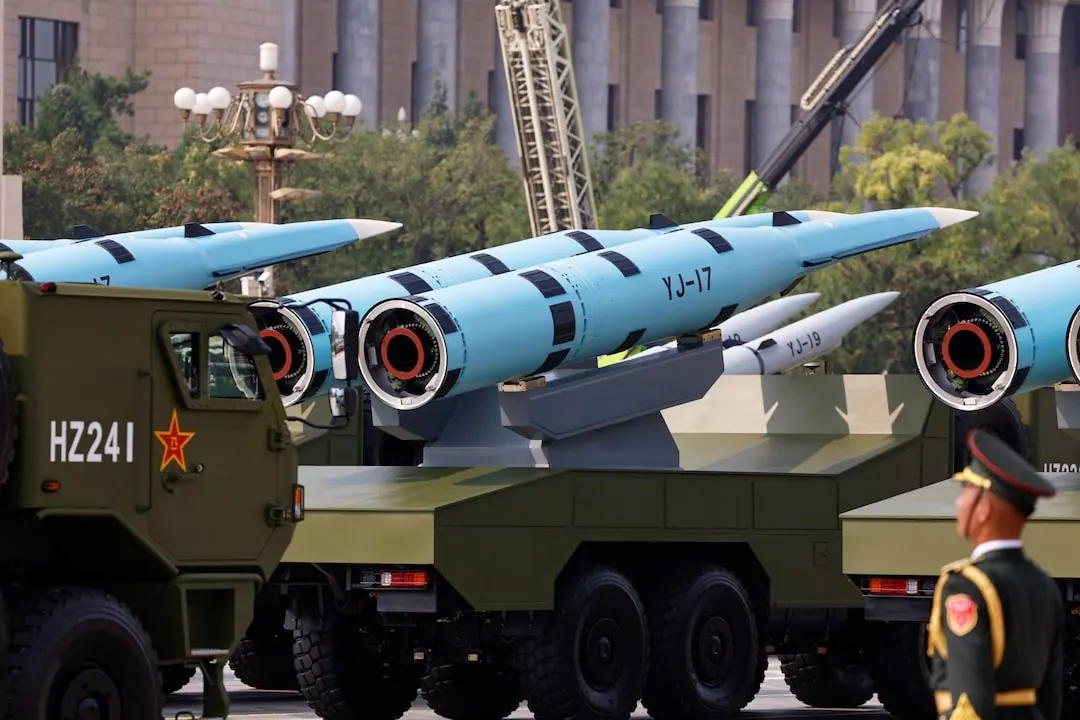
President Xi Jinping's latest call to strengthen political guidance and deepen innovation-driven development in China's armed forces is more than a routine policy statement. As the People's Liberation Army (PLA) prepares to celebrate its centenary in 2027, Xi is articulating a long-term vision that links military modernization with China's broader national rejuvenation strategy. His message reflects the belief that a country's economic rise, technological progress and global influence cannot be sustained without a capable, disciplined and modern military.
Speaking during a group study session of the Political Bureau of the Communist Party of China (CPC) Central Committee, Xi emphasized the need to promote the high-quality modernization of national defense and the armed forces. For China, preparing the PLA for the next century is not about pursuing military expansion but about ensuring that China possesses the capacity to safeguard its sovereignty, territorial integrity and development interests.
The PLA of 2027 will be vastly different from the force founded in 1927. During much of its history, the Chinese military concentrated on defending the homeland through conventional warfare. Today's security environment, however, extends far beyond traditional battlefields. Cyberattacks, artificial intelligence, unmanned systems, space technologies and information warfare have become decisive factors in determining military effectiveness. Xi's repeated emphasis on innovation demonstrates his understanding that future conflicts will be won not only through numerical strength but through scientific and technological superiority.
Military modernization is increasingly driven by research, universities and innovation centers as much as by military academies. Xi's vision recognizes that the military of tomorrow will depend on engineers, software developers, data scientists and artificial intelligence specialists working alongside soldiers.
Equally important is Xi's insistence on strengthening political guidance within the armed forces. Some observers interpret this solely as an ideological objective. In reality, it also serves an institutional purpose. Every military requires unity of command, discipline and strategic coherence. For China, the leadership of the Communist Party provides the political framework through which the PLA maintains organizational stability while pursuing ambitious modernization reforms. Xi believes that technological sophistication without political unity could weaken rather than strengthen military effectiveness.
The reforms introduced over the past decade reveal that Xi's modernization agenda is comprehensive rather than symbolic. The restructuring of command systems, greater emphasis on joint operations among the Army, Navy, Air Force, Rocket Force and Strategic Support Force, together with improvements in logistics and training, indicate that China is preparing the PLA for multidomain operations. These reforms reflect lessons drawn from modern conflicts around the world, where success increasingly depends on seamless coordination across land, sea, air, space and cyberspace.
Another defining characteristic of Xi's vision is the pursuit of high-quality rather than simply rapid modernization. This distinction matters. Military strength is no longer measured solely by the number of personnel or weapons. It increasingly depends on operational efficiency, technological integration, precision, resilience and the ability to respond swiftly to evolving security challenges. By emphasizing quality, Xi is advocating for a military capable of adapting continuously to new realities rather than relying on outdated doctrines.
The centenary vision also carries implications beyond China's borders. As China's global economic engagement expands through trade, investment and infrastructure partnerships, the country has growing interests in international stability. A modern PLA is expected to protect maritime trade routes, participate in United Nations peacekeeping operations, contribute to humanitarian assistance and disaster relief, and safeguard Chinese citizens and overseas interests when necessary. These responsibilities require a force with global capabilities while maintaining China's long-standing emphasis on defensive national defense.
For developing countries, especially in Africa, China's military modernization presents an interesting case study in long-term strategic planning. It illustrates how national defense can be integrated with economic development, technological innovation and educational advancement. China's experience suggests that military modernization is not achieved through weapons purchases alone but through sustained investment in science, industry, talent development and institutional reform.
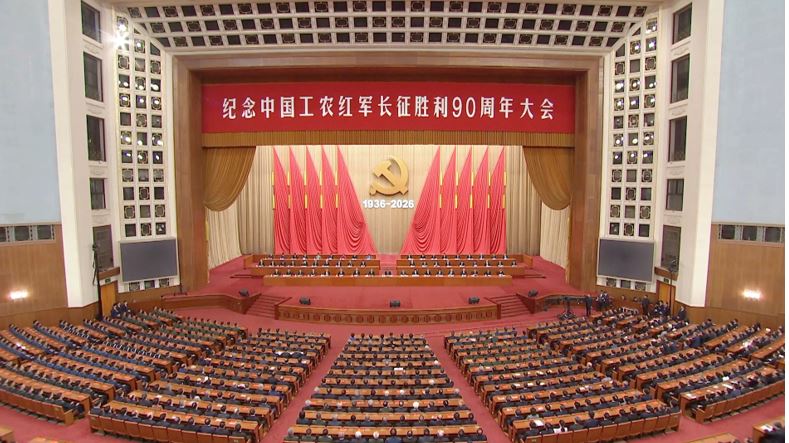
The road to the PLA's centenary therefore represents more than a military milestone. It symbolizes China's determination to align national defense with its ambition of becoming a fully modern socialist countryby 2049. Xi Jinping's vision places innovation, discipline, reform and political cohesion at the heart of this transformation. Whether viewed from Beijing, Africa or elsewhere, the message is clear: in the twenty-first century, national strength will belong to countries capable of combining technological excellence with strategic foresight.
As the PLA enters its second century, its modernization will likely continue to influence regional and global security dynamics. Regardless of differing international perspectives, Xi Jinping has made one point unmistakably clear: the future of China's armed forces will be shaped not by the lessons of the past alone, but by the demands of an increasingly complex and technology-driven world.
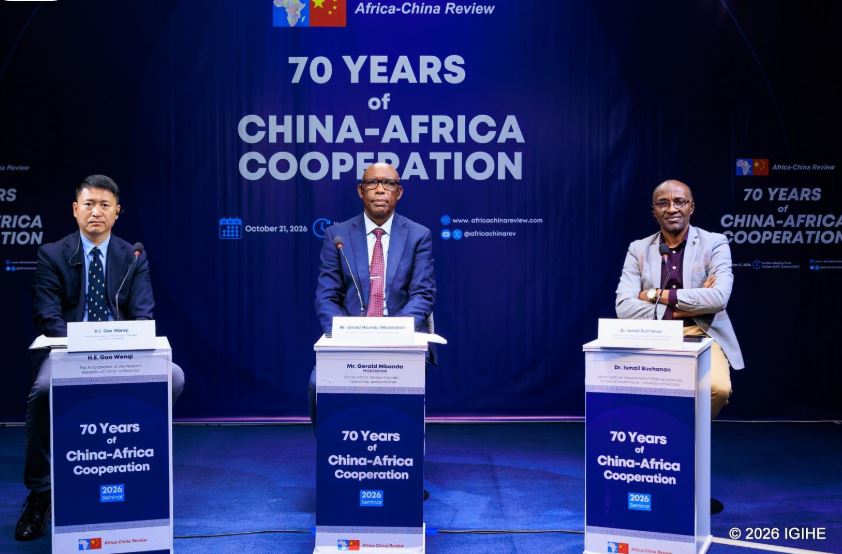
Gerald Mbanda is a researcher and publisher on China-Africa Cooperation and development.
Comments
No comments yet. Be the first to comment.