
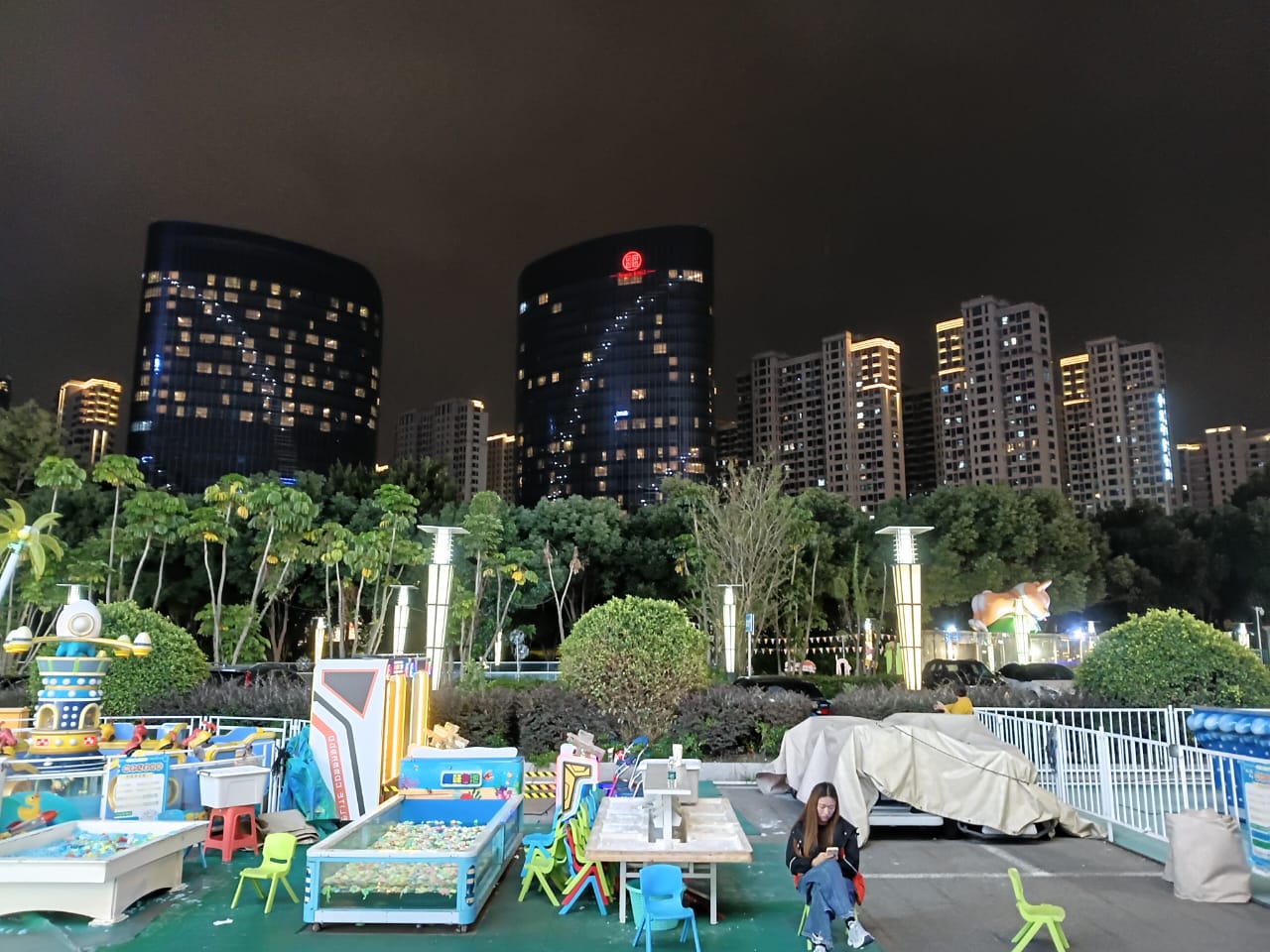
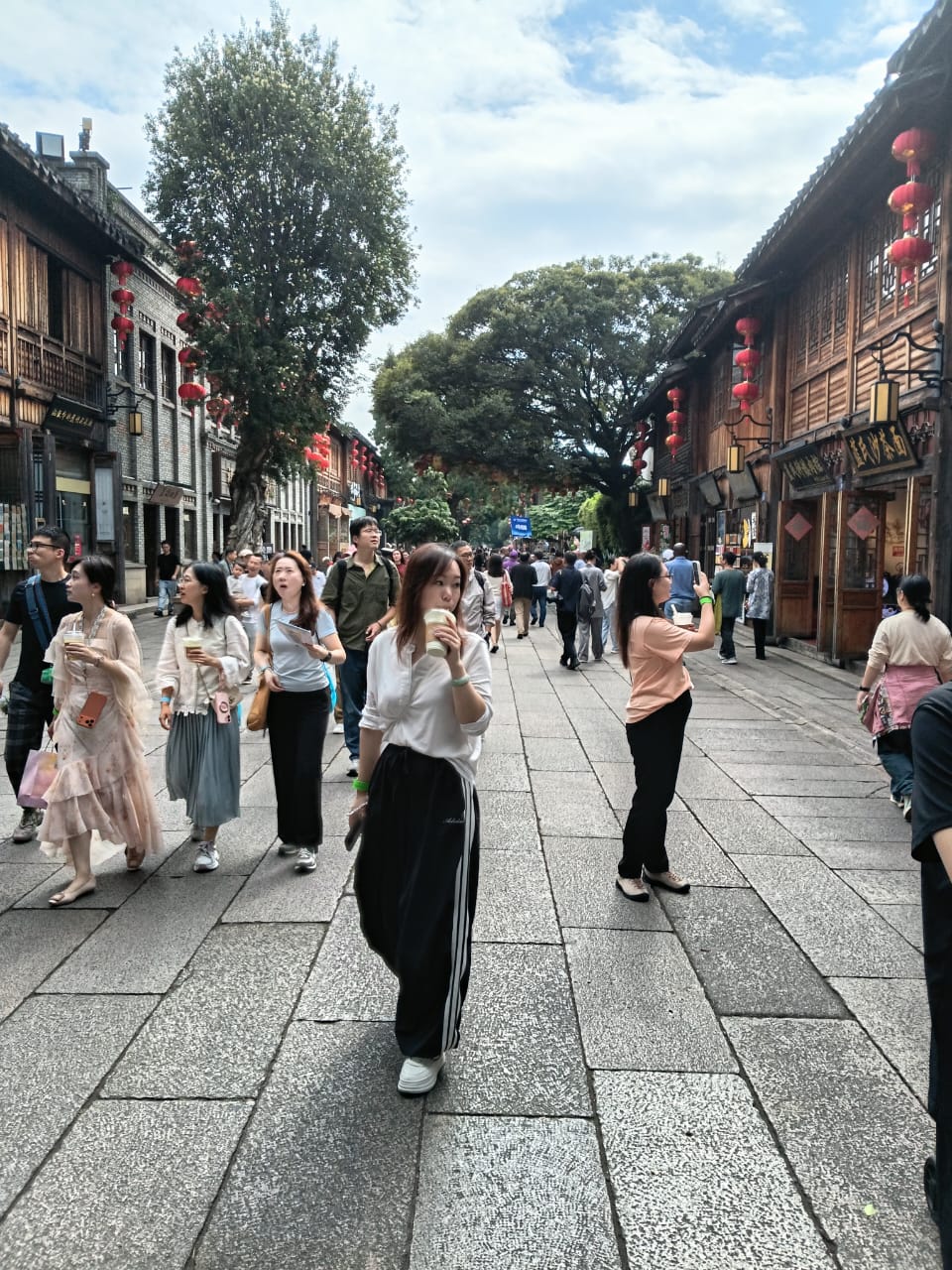
When I sent photos of Fuzhou to a friend who lives in the UK, he confessed that he had never seen such beautiful photographs of Chinese cities in the British press. I wondered whether this was deliberate censorship meant to create a negative impression of China in Western media.
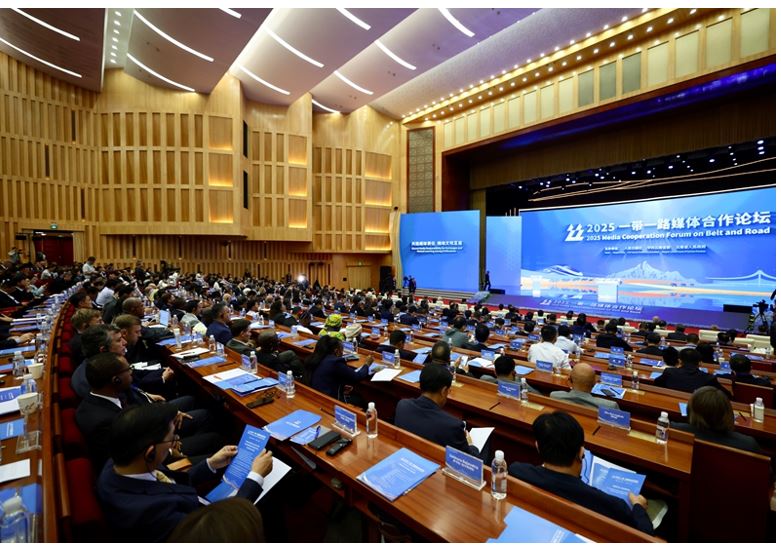
Every time I visit a new city in China, I find a unique charm and sophistication that is exciting. Fuzhou, the capital of Fujian Province, is the city where People’s Daily—one of China’s largest media organizations—hosted the Belt and Road Media Cooperation Forum 2026. The event was well attended and excellently organized.
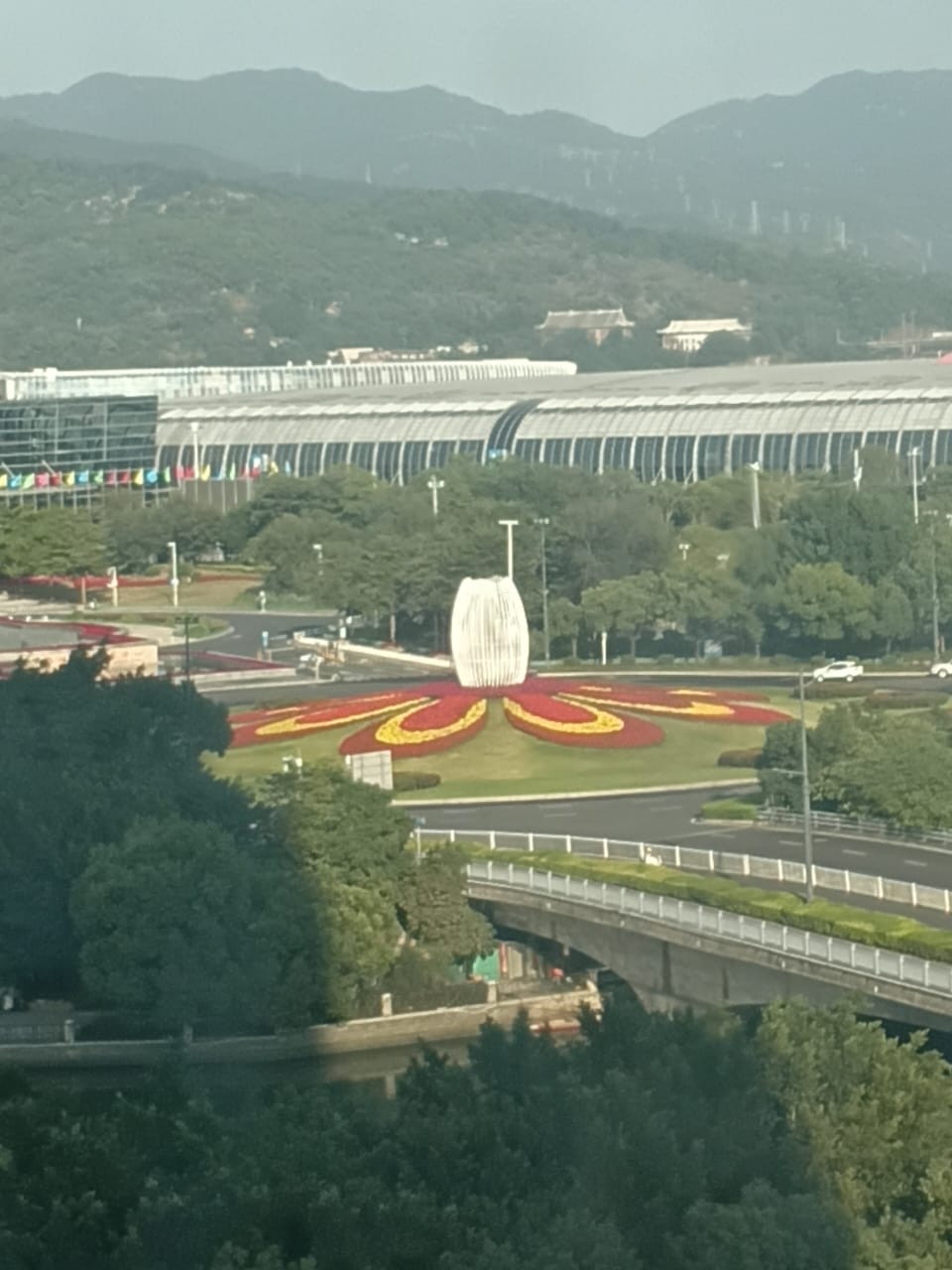
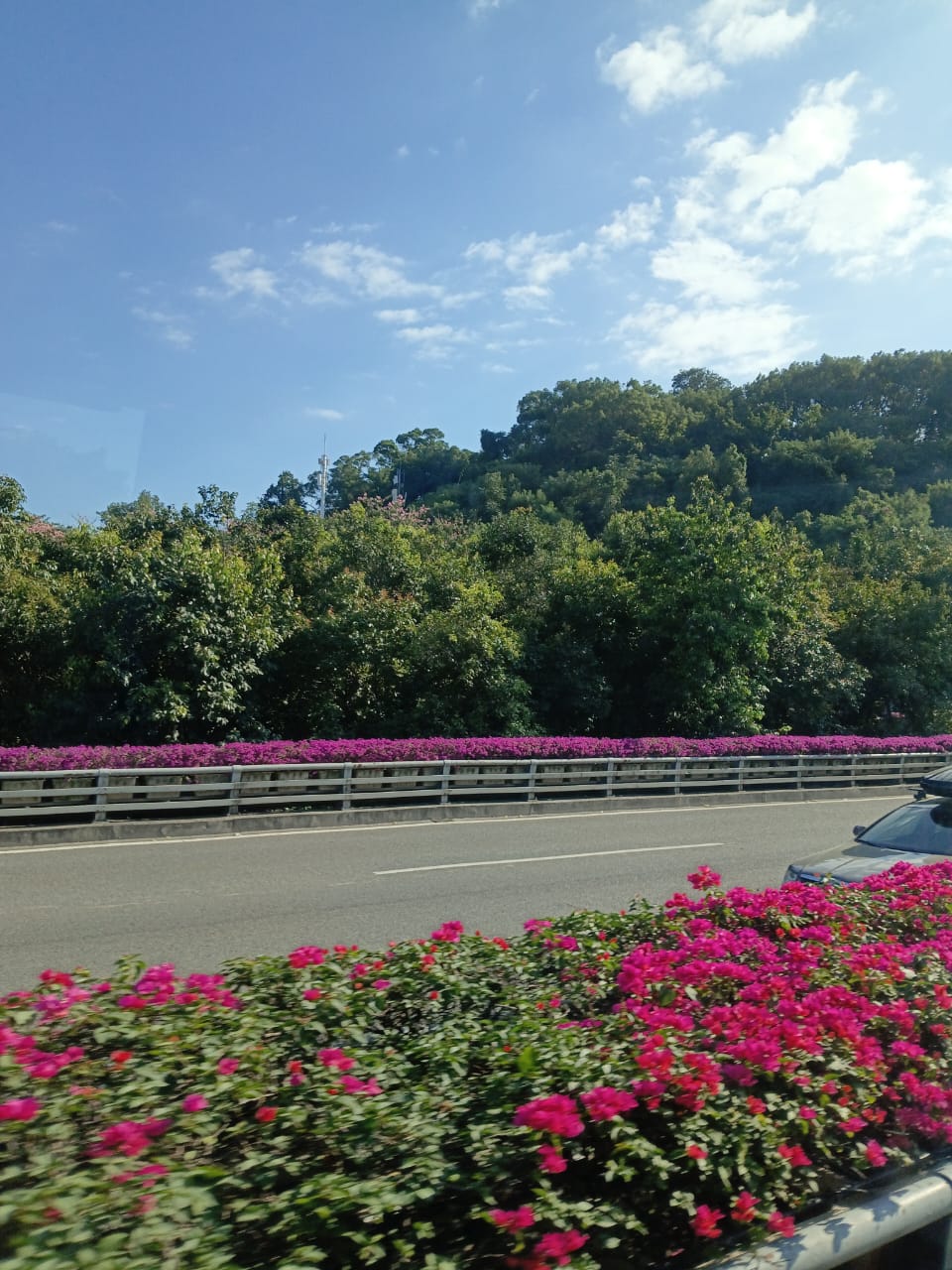
Fuzhou city is a smart and clean city, just like many other cities I have visited in China. Beautiful, bright flowers decorate the city gardens and roadsides. While the Seven Wonders of the World included the Hanging Gardens of Babylon, Fuzhou claims its own place with roads and gardens richly adorned by attractive flowers that leave lasting impressions on nature lovers.
On visiting the Exhibition Hall marking the 30th anniversary of the implementation of the “3820” Strategic Plan, the photographs show President Xi Jinping as the visionary leader behind the creation and implementation of the Fuzhou City Master Plan. The images came alive in my mind, as they resemble those in Xi Jinping’s well-known book Up and Out of Poverty.
The heritage and cultural sites at the Three Lanes and Seven Alleys blend the beauty of Fuzhou with a rich history of architecture, art, and ancient military strategies used to fortify the city against enemies. The narrow streets are filled with both local and foreign tourists at all times.
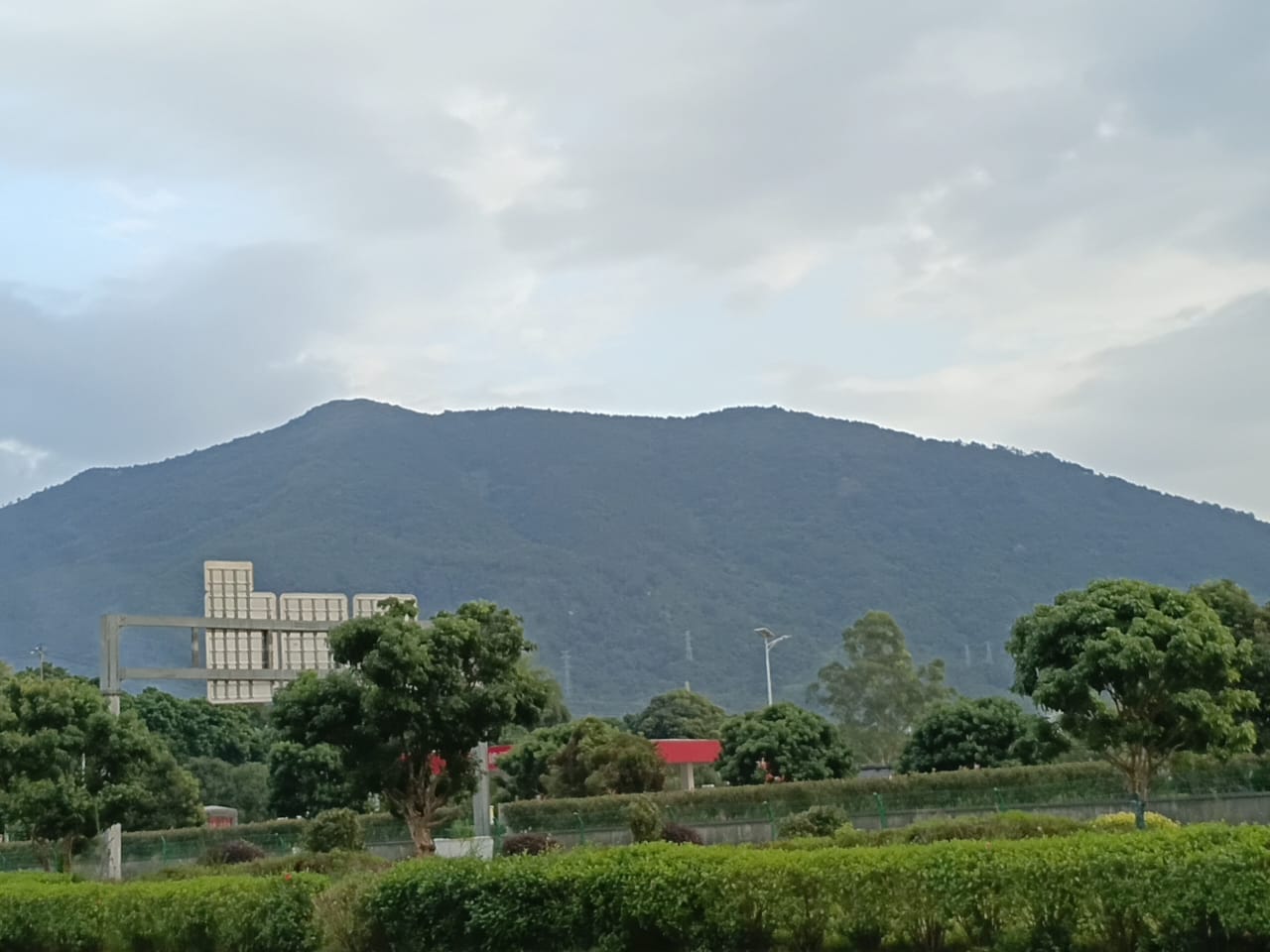
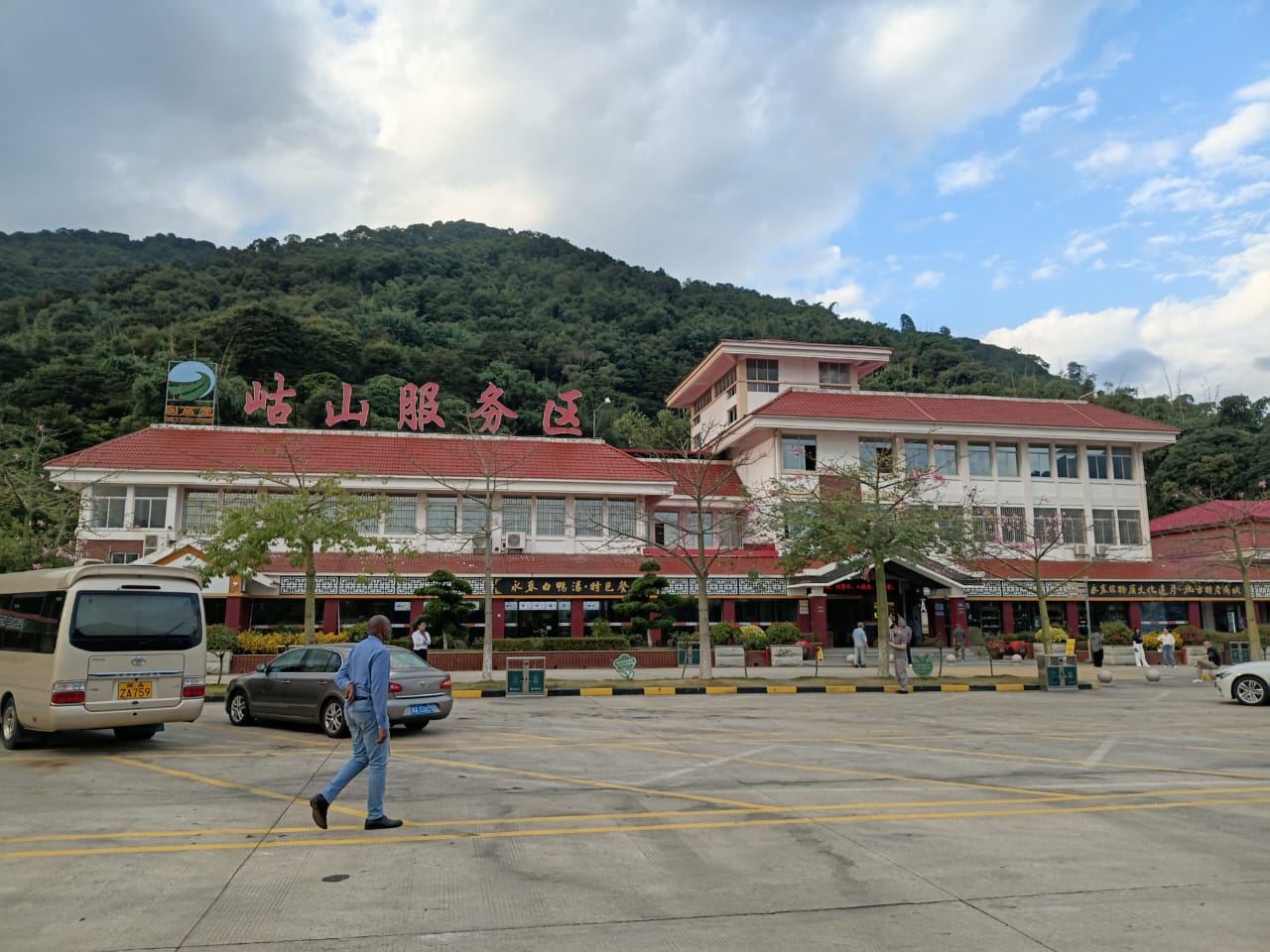
People’s Daily organized workshop tours for the delegates who attended the Belt and Road Initiative forum. From Fuzhou, I joined a group that traveled by bus through green mountain forests to the countryside of Longyang. It is clear that the forests are still young and cover long stretches of beautiful rolling mountains. Along the main road, each tree is carefully preserved. Many have their trunks painted white from the ground up as a preventive measure against termites, while their growth is managed to keep them straight and prevent bending.
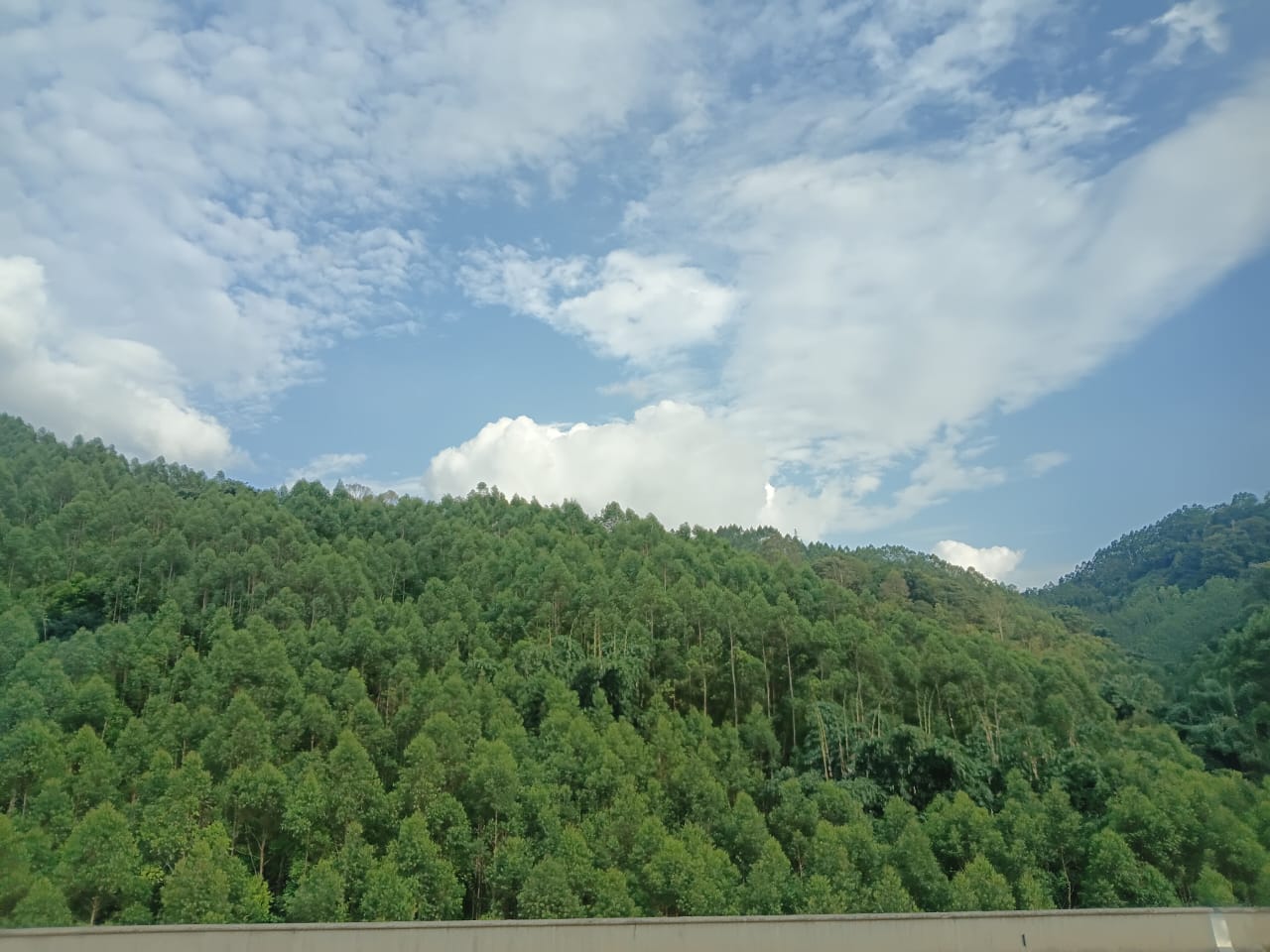
Tree planting in China, aimed at reducing sandstorms, began in 1978—at the same time as the Reform and Opening-Up period. Official figures indicate that China and India have been the global leaders in greening over the last two decades, together contributing more than one-third of the total increase in global foliage. By 2024, under the “Great Green Wall” project (also known as the “Green Great Wall”), considered the world’s largest afforestation program, China had raised its forest cover to 25 percent of the country’s land area to curb desertification. In the Inner Mongolia region of northwestern China, the afforestation campaign has transformed a dusty landscape into forest.
Traveling through the roads in the mountainous areas, one notices that China’s environmental protection efforts, supported by advanced technology, favor drilling tunnels through the mountains rather than using open-cast methods that damage the environment. The roads maintain a level gradient that makes driving through the mountainous areas more comfortable and safer.
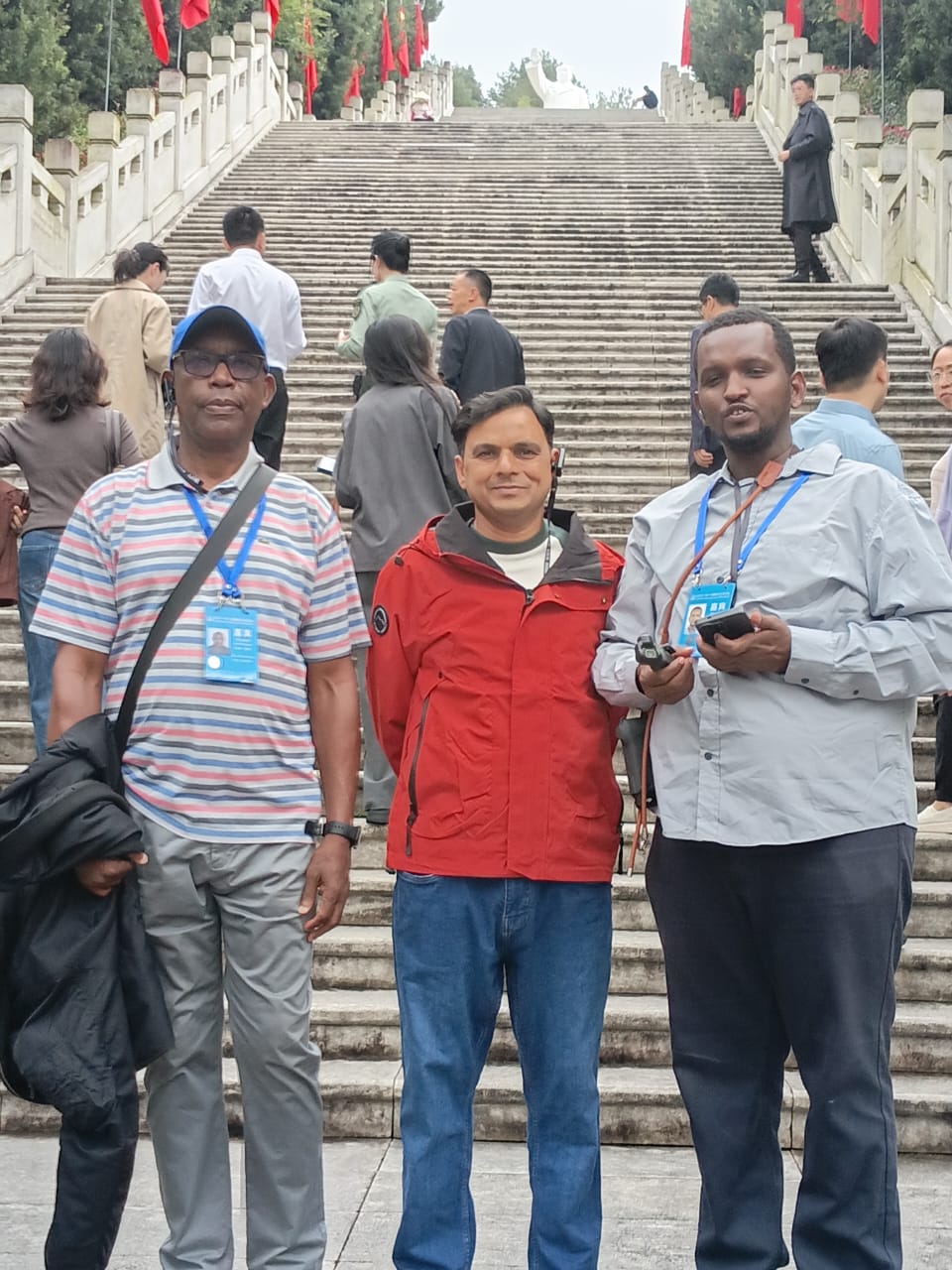
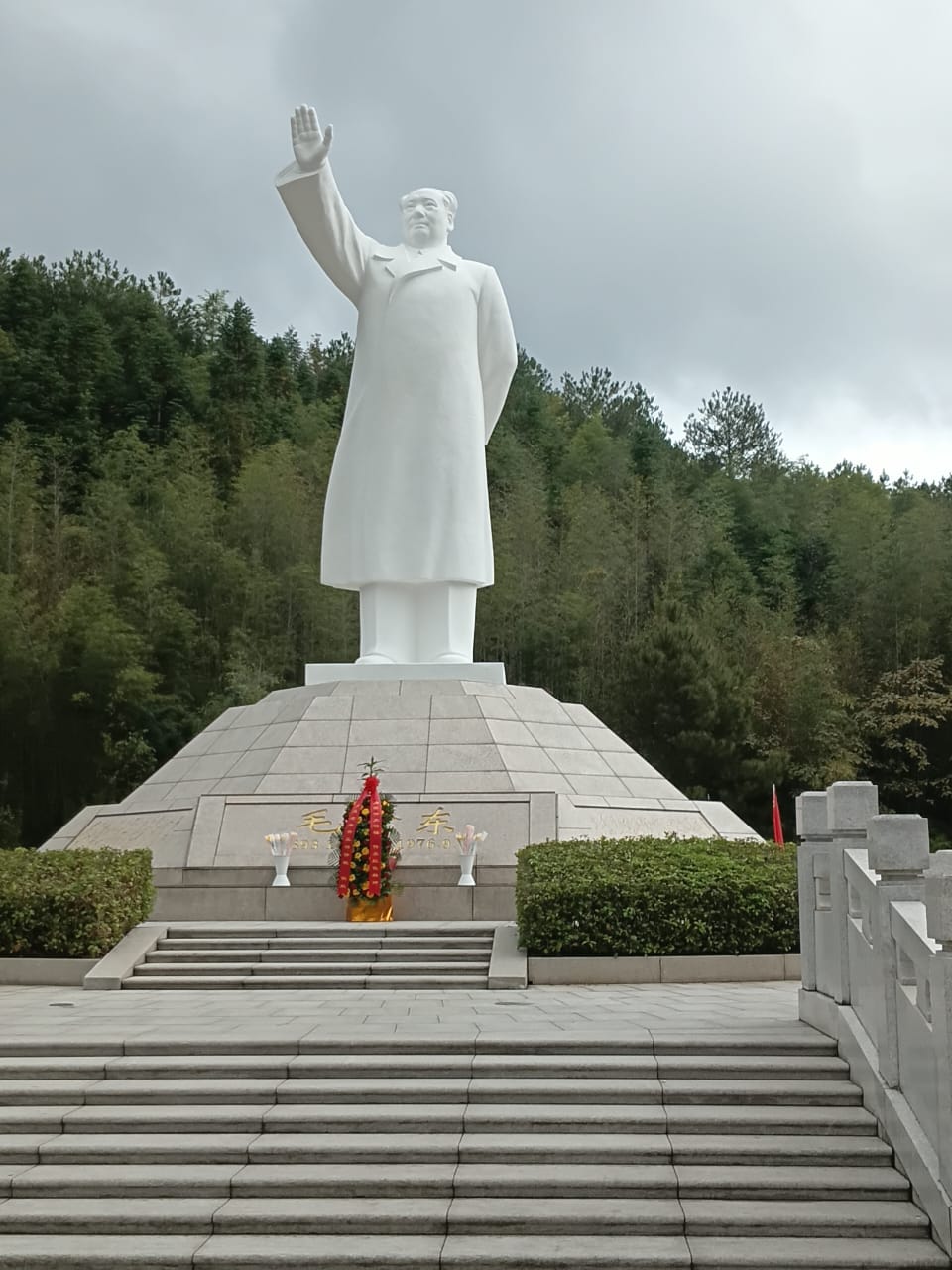
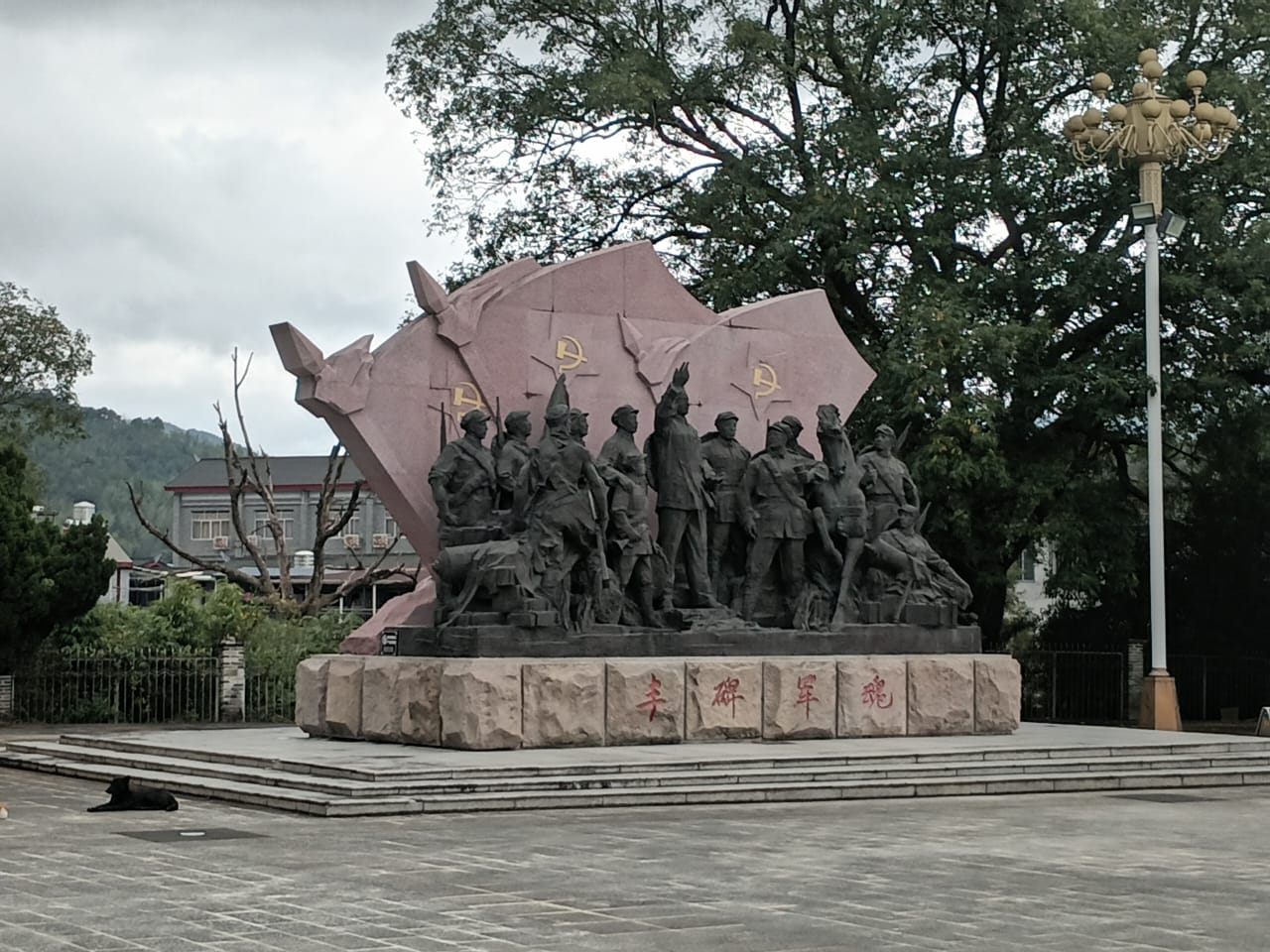
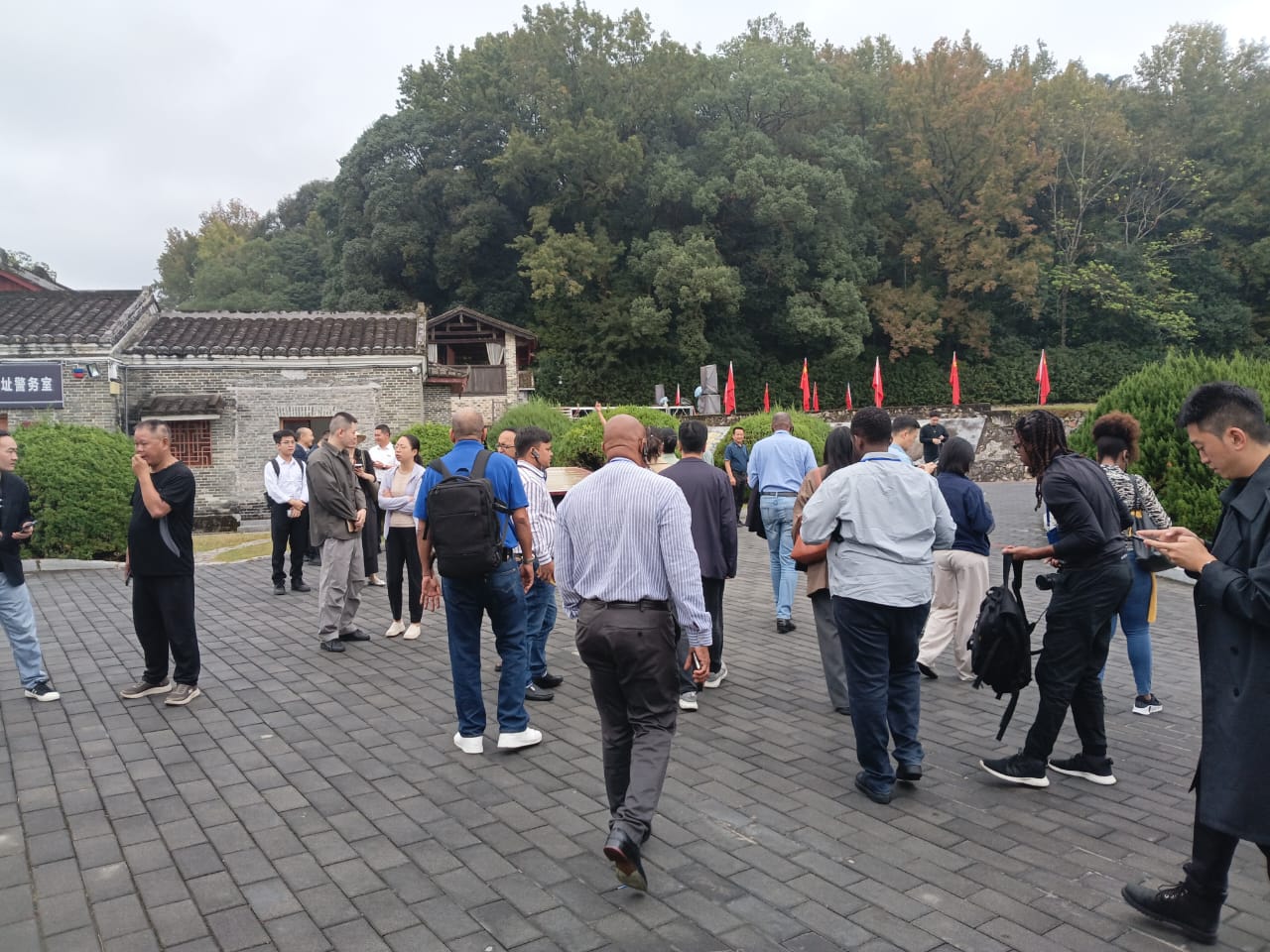
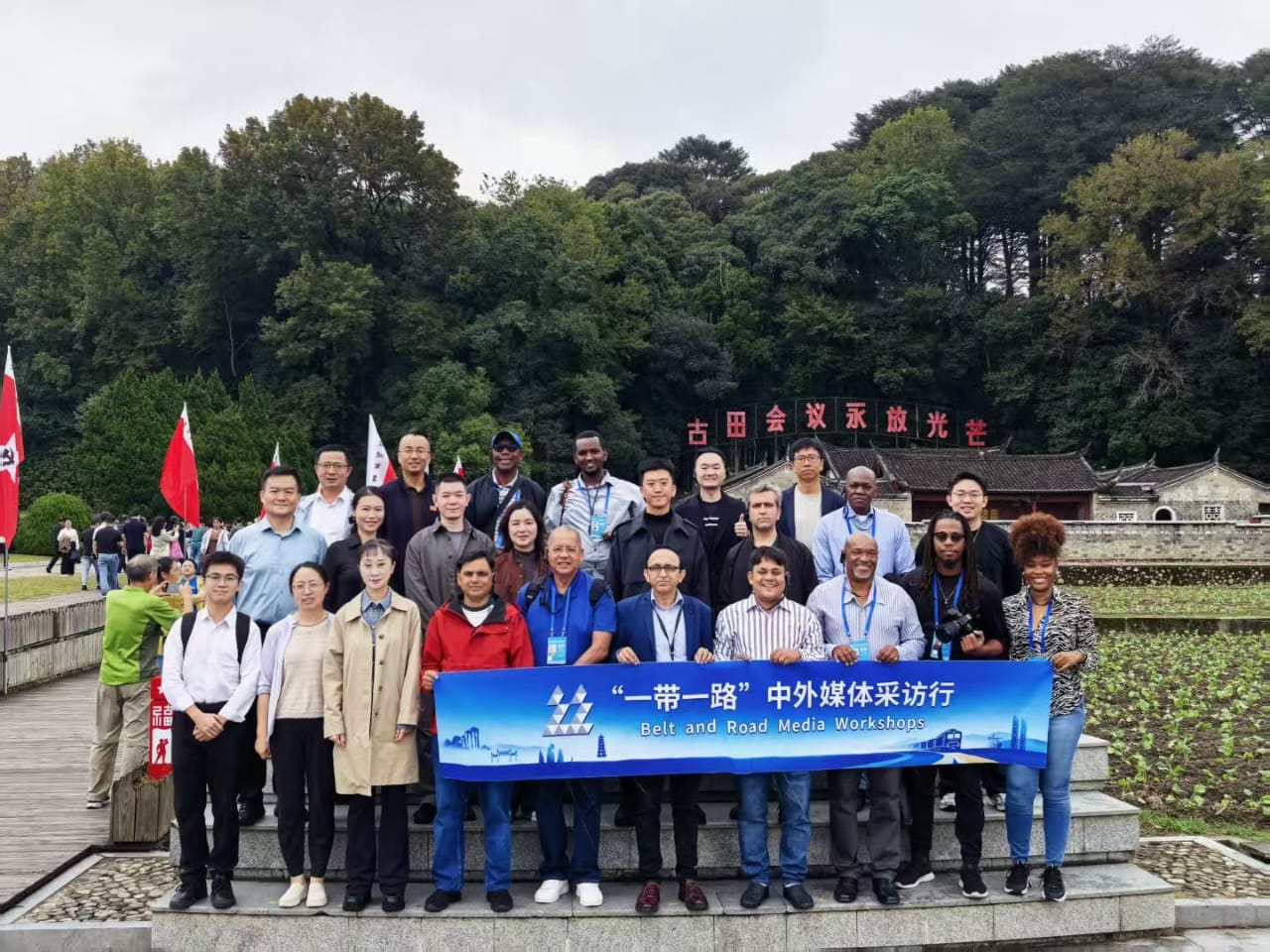 Friday morning the media team visited the Gutian Congress Site that preserve history of the Red Army's struggle for liberation under the leadership of Charman Mao
Gerald Mbanda is a researcher and publisher on China-Africa Cooperation and development.

Comments
No comments yet. Be the first to comment.