
Photo credit: @ Gerald Mbanda
By Gerald Mbanda
China’s remarkable development story is often explained through economic statistics and infrastructure achievements. However, the true measure of development lies in how it improves the daily lives of ordinary people.
The experience of Minzhu Village Community in Jiulongpo District,Chongqing Municipality offers a vivid example of how the people-centred governance philosophy of the Communist Party of China (CPC) has enhanced the well-being of residents and created a modern, inclusive, and prosperous community.
Minzhu, which means “democracy” in Chinese, has undergone a significant transformation over the decades. The village is a former residential compound for workers of the Jianshe Factory, a major industrial plant in Chongqing. Covering an area of 0.43 square kilometers, the community is home to 3,669 households with a population of 8,054 inhabitants.
Like many urban communities in western China, the area was once characterized by aging infrastructure, limited public services, and challenges associated with rapid urbanization. As Chongqing developed into one of China's largest municipalities and an important economic hub along the Yangtze River, local authorities recognized the need to ensure that development benefits reached ordinary citizens.
Guided by the CPC’s principle that development should serve the people, Minzhu Village Community became a model of grassroots governance and community-based development. The community’s transformation reflects China’s broader commitment to improving livelihoods, strengthening social services, and promoting shared prosperity.
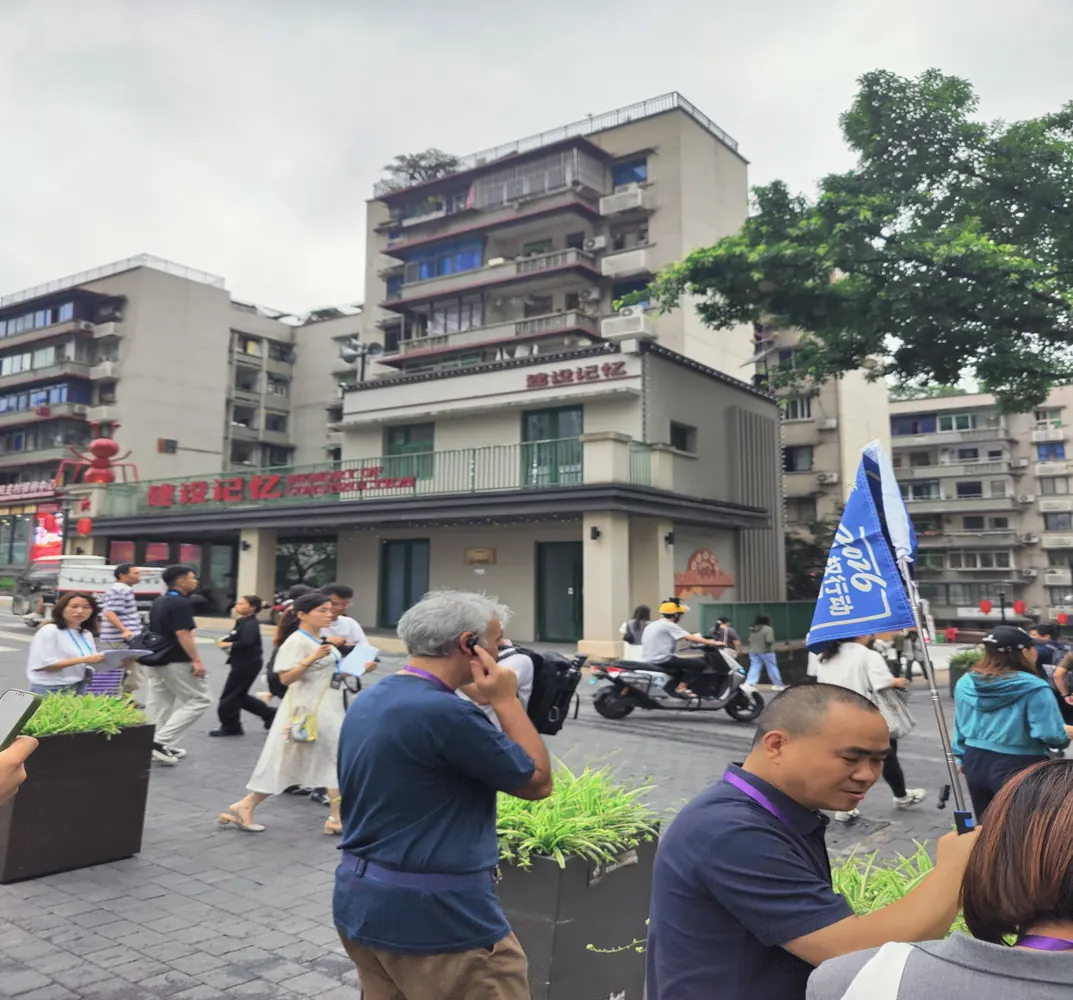
On my recent visit to Chongqing, I had the opportunity to visit the Minzhu village together with other colleagues from around the world. One of the most visible improvements has been the upgrading of public infrastructure. Old residential buildings built in the 1950s and 1990s, have been renovated, roads and walkways improved, and public spaces expanded. Parks, recreational facilities, and green spaces have been developed, creating a more attractive and healthy environment for residents.
These changes have significantly enhanced the quality of life, particularly for elderly citizens and families with children. Large-scale tree planting campaigns, the creation of community gardens, and the expansion of green spaces have significantly improved air quality and beautified the neighborhood. Environmental improvements have not only created a more pleasant living environment but have also contributed to healthier lifestyles, demonstrating how China's people-centred approach to development places equal importance on economic progress and ecological sustainability.
Healthcare services have also been strengthened. Community health centres now provide accessible medical consultations, preventive care, and health education programs. Residents can access essential healthcare services close to home, reducing costs and improving health outcomes. Special attention has been given to senior citizens through regular health monitoring and support services, ensuring that the elderly enjoy dignity and security in their later years.
Education and social welfare programs have played an equally important role. Local authorities have invested in educational facilities and community learning centres, providing opportunities for lifelong learning. Children benefit from improved educational resources, while adults can participate in vocational training and skills development programs that enhance employment opportunities.

A Photograph in the community hall showing citizens interacting with local leaders: Photo: @ Gerald Mbanda
The CPC’s emphasis on community participation has been another key factor behind Minzhu’s success. Residents are encouraged to engage in local decision-making processes, express their concerns, and contribute ideas for community improvement. We had the privilege to be taken around the village by Ms. Wu Chengli, the Party Secretary of Minzhucun Community, and our senior tour guide Xavier Xin. Wu informed that on a weekly basis, the party leader isavailable in the office to listen to citizens problems andhelp them by provide solutions and advice. Also through neighborhood committees and public consultation mechanisms, citizens play an active role in shaping policies that affect their daily lives. This grassroots governance model strengthens trust between the government and the people while ensuring that development responds to local needs.
Poverty alleviation and employment support initiatives have further contributed to improved living standards. Although China officially eliminated extreme poverty nationwide in 2020, local communities such as Minzhu continue implementing programs that support low-income households, vulnerable groups, and unemployed residents. Employment assistance, entrepreneurship support, and targeted social welfare measures help ensure that no one is left behind in the development process.

Vegetables vendor inside Minzhucun Comprehensive Market.
Digital governance has also become an important feature of community management. Smart technology platforms enable residents to access public services more efficiently, report issues, and communicate with local authorities. This integration of technology into governance improves responsiveness and enhances the delivery of public services. The transformation of Minzhu Village Community demonstrates the practical impact of China’s people-centred governance model. Rather than focusing solely on economic growth, development efforts have prioritized the needs, aspirations, and welfare of ordinary citizens. Improved housing, healthcare, education, public participation, and social protection have collectively created a more harmonious and vibrant community.
As China continues its journey toward high-quality development and modernization, the experience of Minzhu Village Community illustrates how effective grassroots governance can translate national policies into tangible benefits for the people. It serves as a compelling example of how the CPC’s commitment to putting people first has helped build stronger communities and improve the lives of millions across the country.
The author is a researcher and Publisher on China-Africa Cooperation and Development.

Comments
No comments yet. Be the first to comment.