
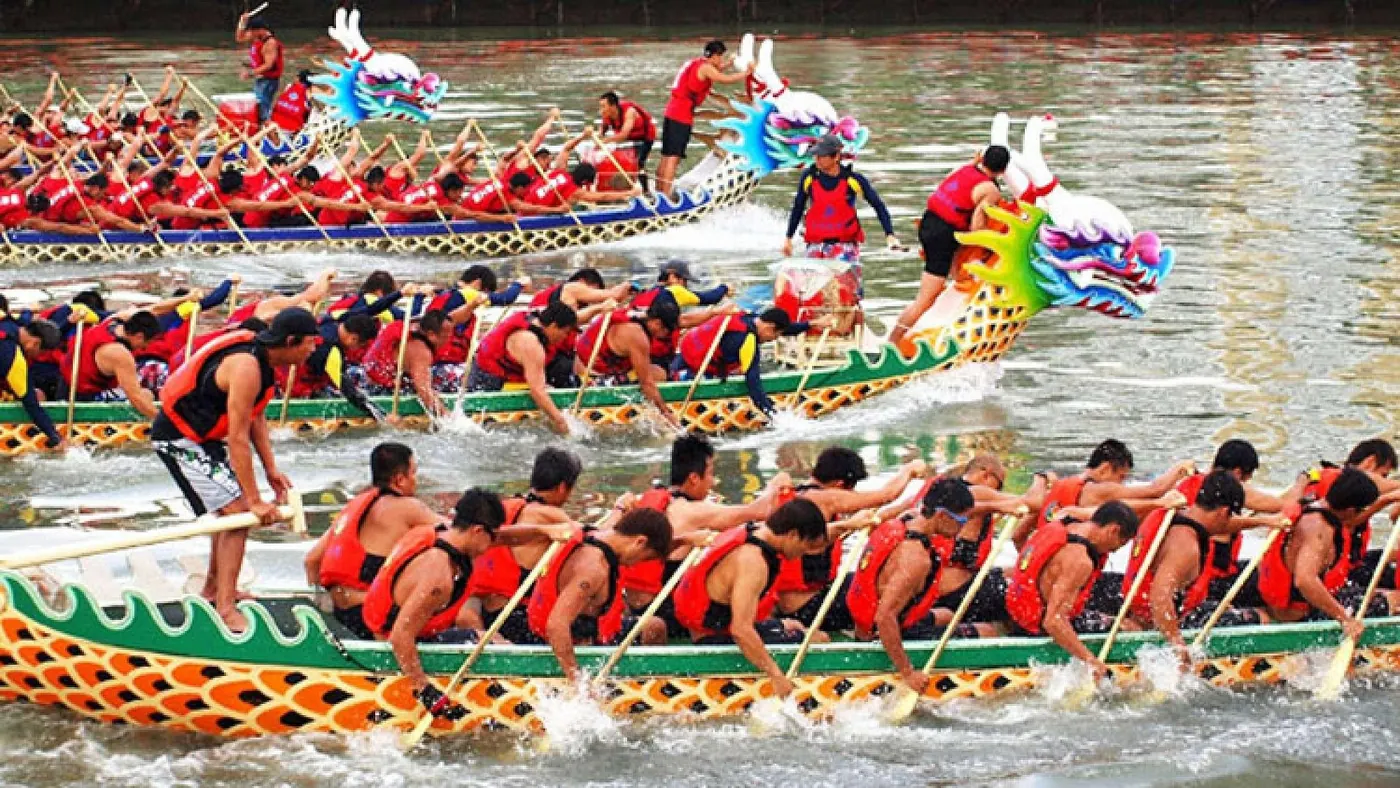
China's Dragon Boat Festival, celebrated in 2026 with great enthusiasm across the country and by Chinese communities around the world, remains one of the most cherished traditional festivals in Chinese culture. Known as the Duanwu Festival, it falls on the fifth day of the fifth month of the Chinese lunar calendar and carries more than 2,000 years of history. The festival reflects China's rich cultural heritage, promotes national unity, and preserves traditions that continue to inspire modern generations.
The Dragon Boat Festival is most closely associated with the patriotic poet and statesman Qu Yuan. Qu Yuan served the State of Chu during China's Warring States period. Deeply devoted to his country, he became distressed by corruption and political decline. According to legend, after his advice was ignored and his homeland faced serious challenges, he threw himself into the Miluo River in protest. Local people rushed out in boats to search for him and beat drums to scare away fish and evil spirits. They also threw rice into the river to prevent fish from feeding on his body. These acts are believed to have evolved into the dragon boat races and the traditional rice dumplings known as zongzi that are enjoyed today.
One of the most exciting features of the festival is the dragon boat race. Teams of paddlers row long, narrow boats decorated with colorful dragon heads and tails. The races symbolize teamwork, determination, and collective effort. Across China, cities and villages organize competitions that attract thousands of spectators. The events not only preserve cultural traditions but also encourage physical fitness, cooperation, and community spirit.
Another important aspect of the festival is the preparation and sharing of zongzi, sticky rice dumplings wrapped in bamboo or reed leaves. Different regions of China have developed their own varieties, using ingredients such as pork, beans, chestnuts, dates, and salted egg yolks. Families gather to make and share these delicacies, strengthening bonds between generations. The preparation of zongzi serves as a reminder of the importance of family values and cultural continuity.
The Dragon Boat Festival also carries significant health and wellness traditions. Historically, the fifth lunar month was considered a period when diseases were more likely to spread because of warmer weather. People developed customs intended to promote health and protection. These included hanging medicinal herbs such as mugwort and calamus, wearing colorful silk threads, and preparing herbal remedies. While modern medicine has transformed public health, these customs continue to symbolize the Chinese people's long-standing emphasis on well-being and preventive care.
In contemporary China, the Dragon Boat Festival plays an important role in cultural preservation. Schools, museums, community organizations, and cultural centers organize educational activities that teach young people about the festival's history and values. Through storytelling, traditional crafts, and sporting events, younger generations gain a deeper appreciation of their cultural heritage.
The festival also contributes to China's tourism and economic development. Dragon boat competitions, cultural exhibitions, and holiday travel generate significant economic activity. Tourists from within China and abroad visit historic sites and participate in celebrations, helping local businesses and promoting cultural exchange. The festival therefore serves both cultural and economic functions in modern society.
Internationally, the Dragon Boat Festival has become a symbol of Chinese culture and friendship. Dragon boat races are now held in many countries, bringing together people from diverse backgrounds. These events promote mutual understanding and showcase the enduring appeal of Chinese traditions.
As China celebrates the Dragon Boat Festival in 2026, the occasion serves as more than a holiday. It is a living expression of patriotism, family unity, cultural pride, health awareness, and community cooperation. By honoring ancient traditions while embracing modern development, the festival continues to connect the past with the present and remains an important part of China's cultural identity.


Comments
No comments yet. Be the first to comment.