
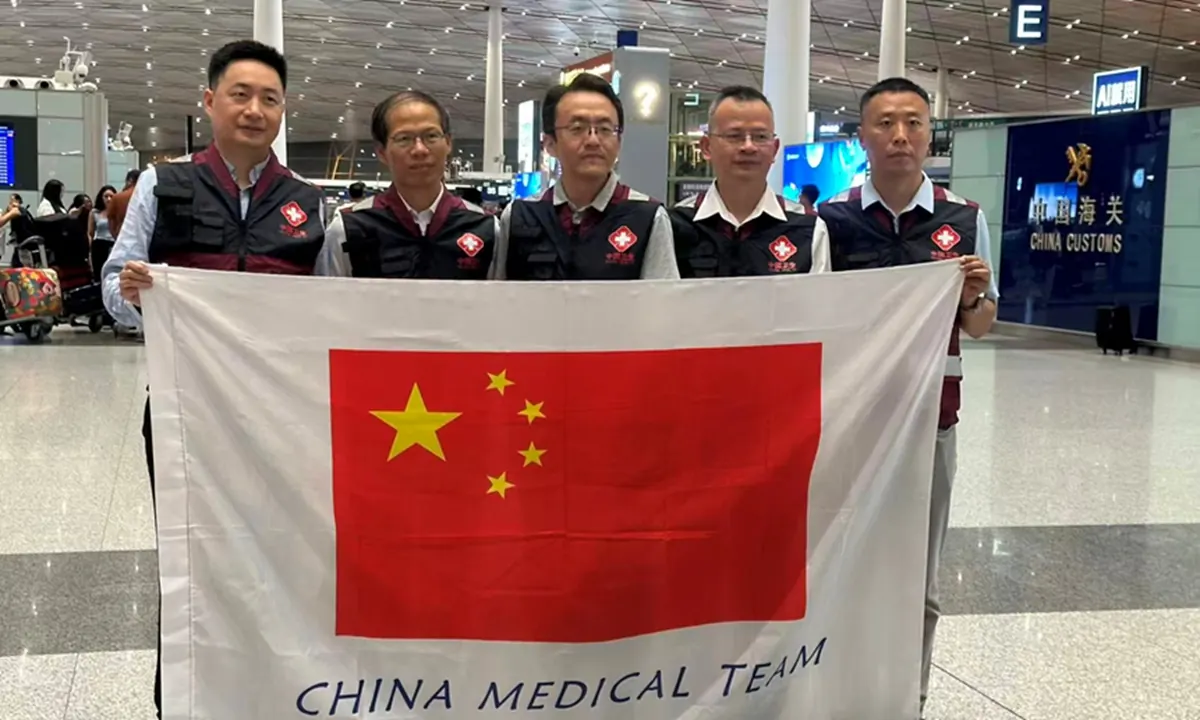
Africa has faced numerous public health challenges over the past decades, including outbreaks of Ebola, COVID-19, cholera, malaria and other infectious diseases. These health emergencies have often tested the capacity of national health systems and highlighted the importance of international solidarity. In this regard, China’s willingness to share expertise, technology and medical personnel with African countries has earned widespread appreciation across the continent.
The recent expression of China's readiness to support African countries in controlling Ebola outbreaks once again demonstrates Beijing's commitment to building a community with a shared future for humanity. Rather than limiting its support to statements of concern, China has consistently translated its commitments into practical action through the deployment of medical teams, technical assistance, training programs and emergency supplies.
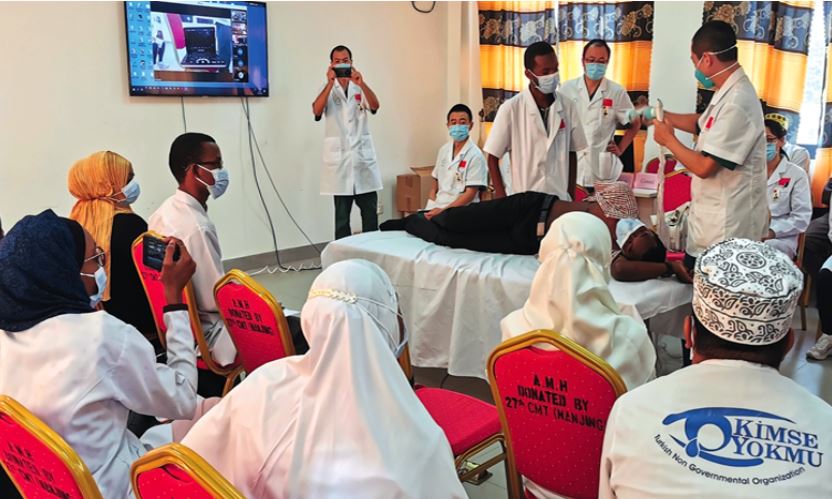
One notable example is China's dispatch of medical experts to the Democratic Republic of Congo during previous and current Ebola outbreaks. Chinese medical teams work alongside local health authorities and international partners to strengthen disease surveillance, improve laboratory testing capabilities, provide clinical guidance and train frontline healthcare workers. Such cooperation helps enhance local capacity to respond to epidemics while ensuring that valuable knowledge remained within African health institutions.
China's experience in epidemic prevention and control has become an important resource for African countries. Having successfully managed major public health emergencies, including SARS, COVID-19 and other infectious diseases, China has developed significant expertise in disease monitoring, contact tracing, quarantine management, laboratory diagnostics and emergency response systems. By sharing these experiences with African partners, China contributes to strengthening the continent's preparedness against future outbreaks.
What makes China's approach particularly commendable is its emphasis on capacity building rather than temporary interventions. Chinese-supported projects often focus on training local medical professionals, establishing laboratories, improving healthcare infrastructure and transferring technology. This ensures that African countries are better equipped to manage future health crises independently.
The China-Africa partnership in healthcare is not limited to emergency response. For decades, China has sent medical teams to numerous African countries, many of which serve in remote areas where healthcare services are limited. Thousands of Chinese doctors, nurses and specialists have provided treatment, conducted surgeries and trained local personnel. Their work has benefited millions of Africans and strengthened people-to-people ties between China and Africa.
The construction of hospitals, disease control centers and public health laboratories further reflects China's long-term commitment to Africa's healthcare development. During the COVID-19 pandemic, China supplied vaccines, protective equipment, ventilators and medical supplies to many African nations at a time when access to such resources was highly unequal globally. This support reinforced China's image as a reliable partner during times of crisis.
China's humanitarian assistance is guided by principles of mutual respect, solidarity and shared development. The objective is not merely to address immediate health threats but also to contribute to stronger public health systems capable of protecting communities from future epidemics. Such cooperation aligns with broader efforts to achieve the United Nations Sustainable Development Goals, particularly the goal of ensuring healthy lives and promoting well-being for all.
As Ebola and other infectious diseases continue to pose risks in parts of Africa, international cooperation remains essential. China's readiness to share expertise, deploy medical professionals and provide technical assistance offers a practical example of global solidarity in action. By working together with African governments and health institutions, China is helping to build resilience against epidemics while fostering sustainable development.
The China-Africa health partnership demonstrates that genuine cooperation goes beyond words. It involves sharing knowledge, investing in people, strengthening institutions and standing with partners during difficult times. In the fight against epidemics, China's practical support has become an important pillar of Africa's efforts to protect public health and save lives.

Comments
No comments yet. Be the first to comment.