
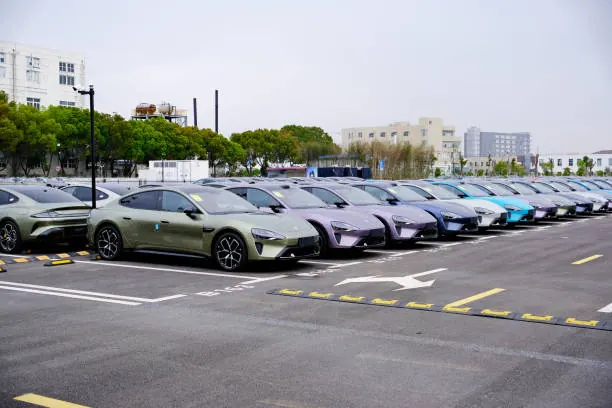
The growing presence of Chinese electric vehicles (EVs) in Africa is becoming an important development in the fight against climate change and environmental pollution. As African countries continue to experience rapid urbanization and population growth, the demand for transportation is rising sharply. However, this increase has also led to higher levels of air pollution, especially in major cities. The introduction of affordable electric cars from China offers a practical and timely solution to this challenge.
China is currently the global leader in the production and export of electric vehicles. In 2024 alone, the country exported more than 1.28 million electric vehicles worldwide, reflecting its dominance in the global EV industry. This strong production capacity has enabled Chinese manufacturers to expand aggressively into emerging markets, including Africa, where demand for affordable and efficient vehicles is growing.
Although comprehensive continent-wide figures are still developing, available data shows that Chinese vehicles—many of which include electric and hybrid models—are rapidly increasing in African markets. For example, in South Africa, one of the continent’s largest automotive markets, sales of plug-in hybrid electric vehicles rose significantly from 738 units in 2024 to 2,808 units in 2025. This sharp increase demonstrates the growing acceptance of electrified vehicles, many of which are supplied by Chinese manufacturers. In addition, Chinese car brands collectively recorded around 9,200 vehicle sales in a single month in South Africa in 2025, nearly triple the figures from 2023. While not all of these are fully electric, a growing share consists of EVs and hybrids.
Across Africa, estimates from industry trends suggest that thousands of Chinese electric and hybrid vehicles are now being sold annually, with numbers rising each year as infrastructure improves and prices become more competitive. Chinese companies such as BYD, Chery, and GWM are leading this expansion by offering relatively affordable EV options compared to Western brands.
The environmental benefits of this shift are significant. Traditional gasoline and diesel vehicles emit harmful gases such as carbon dioxide, nitrogen oxides, and particulate matter. These pollutants contribute not only to climate change but also to serious health conditions, particularly respiratory diseases. By contrast, electric vehicles produce zero tailpipe emissions, helping to reduce air pollution in densely populated urban areas.
Cleaner air has direct health advantages. Reduced exposure to air pollutants can lower the incidence of diseases such as asthma, bronchitis, and other respiratory infections. In many African cities where air quality has been declining, the adoption of electric vehicles can therefore play a crucial role in improving public health.
In addition to environmental and health benefits, Chinese electric cars also support Africa’s transition to green energy. Many African countries are investing in renewable energy sources such as solar and wind power. When electric vehicles are charged using clean energy, their environmental impact is further reduced, making transportation more sustainable.
Another advantage is affordability. Chinese manufacturers have been able to produce electric vehicles at lower costs due to large-scale production and advanced battery technology. This makes EVs more accessible to African consumers, who are often price-sensitive. As costs continue to decrease, more people are likely to switch from conventional vehicles to electric ones.
However, challenges still remain. Limited charging infrastructure, high initial costs for some models, and lack of awareness about EV technology are barriers that need to be addressed. Governments across Africa are beginning to introduce policies and incentives to encourage EV adoption, including tax reductions and investments in charging stations.
The increasing number of Chinese electric cars in Africa represents a positive step toward reducing environmental pollution and combating climate change. With rising sales—already reaching thousands of units annually and growing steadily—these vehicles are helping to create cleaner cities, improve public health, and promote sustainable development. As infrastructure and policies continue to improve, the role of electric vehicles in Africa is expected to expand even further, making them a key part of the continent’s green future.



Comments
No comments yet. Be the first to comment.