
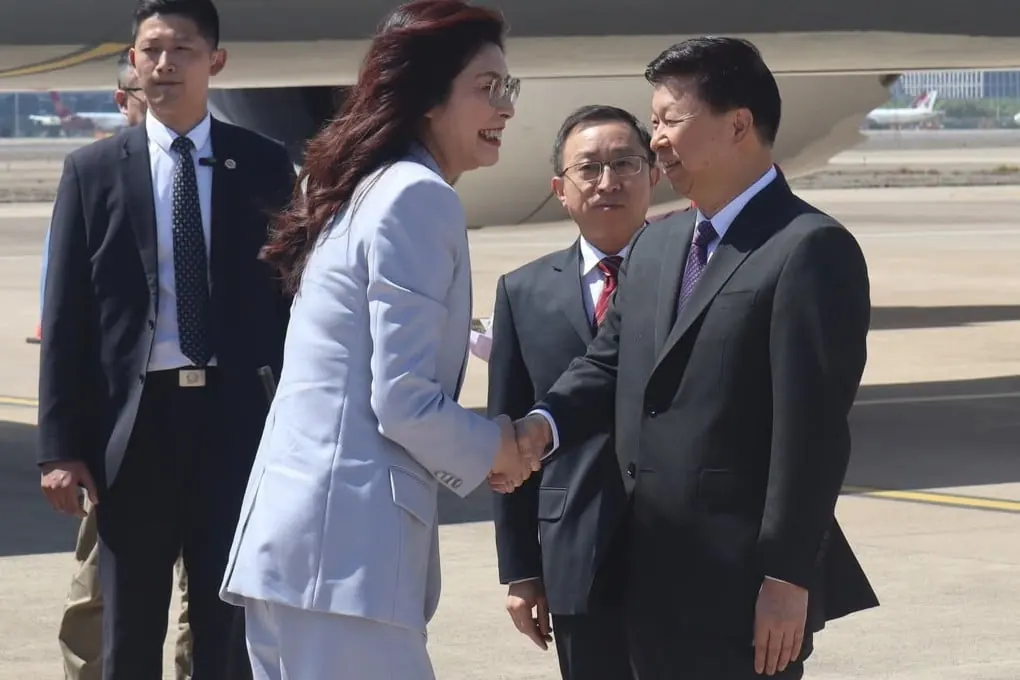
The recent visit of Cheng Li-wun, chairperson of Taiwan’s Chinese Kuomintang (KMT), to Mainland China marks a notable moment in cross-strait relations. As the first KMT leader to make such a trip in a decade, her visit carries both symbolic and practical significance, offering insights into the evolving dynamics between Taiwan and the mainland at a time of heightened geopolitical sensitivity.
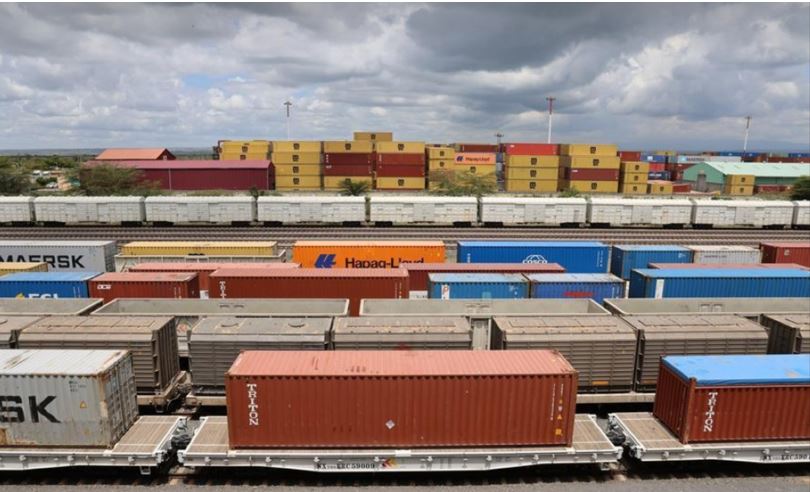
Cheng’s itinerary reflected a deliberate effort to combine political dialogue with economic observation. Her visit to Yangshan Port in Shanghai—one of the world’s largest automated container ports—was particularly telling. The port stands as a symbol of Mainland China’s rapid industrial modernization and global trade integration. By choosing to tour such a site, Cheng signaled a willingness to engage with and understand the mainland’s development model, perhaps with an eye toward identifying lessons applicable to Taiwan’s own economic future.
Yangshan Port also holds symbolic weight in the context of cross-strait exchanges. For years, it has facilitated trade and logistics flows that indirectly connect Taiwan with global markets through the mainland. Cheng’s presence there underscored the enduring economic interdependence between the two sides, even amid political tensions. Her remarks highlighting the importance of economic cooperation suggest that the KMT continues to view engagement—not isolation—as a viable path forward.
Politically, the most significant moment of the visit was Cheng’s meeting with Xi Jinping. Such high-level engagement is rare and carefully choreographed, reflecting mutual interest in maintaining open channels of communication. During the meeting, Cheng emphasized the importance of peace across the Taiwan Strait, reiterating a longstanding KMT position that stability and dialogue are essential for the well-being of people on both sides.
Her call for peace comes at a time when cross-strait relations are often characterized by mistrust and strategic competition. By advocating for dialogue, Cheng positioned the KMT as a political force that prioritizes de-escalation and pragmatic engagement. This contrasts with more hardline approaches that emphasize deterrence and sovereignty without parallel efforts at communication.
The timing of the visit is also significant. With shifting global alliances and any engagement between Taiwanese political leaders and Beijing carries broader international implications. Cheng’s outreach may be interpreted as an attempt to keep cross-strait relations from becoming further entangled in great power rivalry, particularly between China and the United States.
At its core, Cheng Li-wun’s visit can be understood as being strategic. By engaging directly with mainland leadership and observing its development firsthand, she appears to be advocating for a more nuanced approach—one that acknowledges differences while seeking areas of common ground. Her emphasis on economic learning, peaceful coexistence, and sustained dialogue suggests a vision that prioritizes stability over confrontation.
The visit itself has already achieved one important outcome: it has reopened a channel of communication that had remained largely dormant for a decade. In a region where misunderstandings can quickly escalate, even small steps toward dialogue can carry significant weight.
Ultimately, Cheng’s trip highlights the enduring complexity of cross-strait relations. It underscores the delicate balance between political identity, economic interdependence, and regional security. As both sides navigate a complex environment created by history and external interference, initiatives like this—however contested—serve as reminders that dialogue, however difficult, remains an indispensable tool for managing China’s long journey towards unification.

Comments
No comments yet. Be the first to comment.