
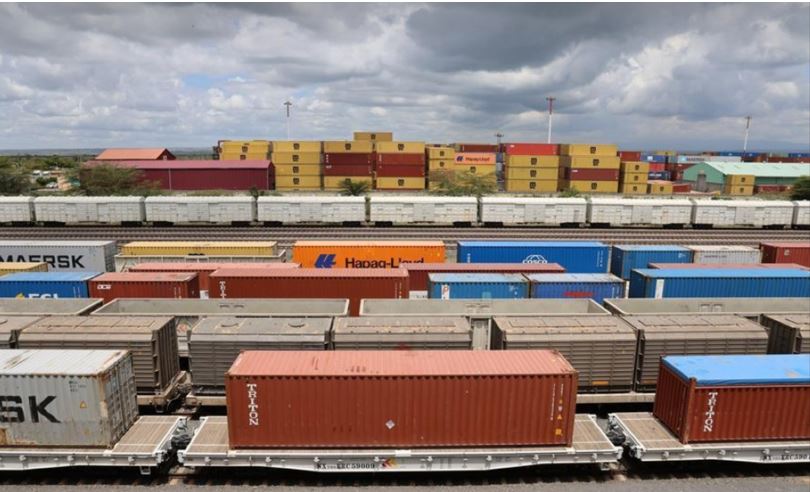
China has done something Africa has long asked major trading powers to do: open its market wider to African goods. The question now is whether African countries are ready to make the most of it.
From May 1, 2026, China began implementing zero-tariff treatment for goods from 53 African countries with which it has diplomatic relations. That covers every African country except Eswatini. For the 20 African countries that were not already covered by China's preferential arrangements for least-developed countries, the new treatment is initially set for two years.
This is not a small gesture. It is a potentially significant commercial opening to the world's second-largest economy and one of the world's biggest consumer markets.
China had previously extended zero-tariff treatment on 100 percent of tariff lines to 33 African least-developed countries from December 1, 2024. In the first half of 2026, Chinese customs data showed imports from Africa reached 193.8 billion yuan — about $28.7 billion — in May and June alone, an increase of 23.5 percent from the same period a year earlier. Imports of African avocados rose by 130 percent, apples by 89.6 percent and oranges by 27.9 percent.
Chinese customs data also indicate that Côte d'Ivoire and Ghana's cocoa exports previously faced tariffs ranging from 8 to 22 percent. Kenyan coffee faced tariffs as high as 30 percent, while avocados faced a 20 percent tariff. South African citrus faced a 12 percent tariff, while its wine exports faced duties of between 14 and 20 percent. Removing those costs gives African exporters something they desperately need: a better chance to compete on price.
The real prize is not simply for Africa to sell more cocoa beans, coffee, fruit or minerals to China. It is using access to the Chinese market to encourage African countries to process more of what they produce before exporting it.
Why export raw cocoa when some of the value can be captured through chocolate processing? Why export raw agricultural commodities when African companies can build businesses around packaging, processing, cold storage and distribution? Why should African countries remain suppliers of basic materials when the same market opening could support factories and higher-skilled jobs?
If Chinese and other international investors see an opportunity to establish processing facilities in Africa and export the resulting products to China duty-free, the policy could help attract capital, technology and expertise. African countries could then begin moving from commodity exporters toward participants in regional and global value chains.
An African company can receive zero-tariff access to China and still fail to export because its electricity is unreliable, its transport costs are too high, its production volumes are inconsistent or its products do not meet Chinese standards. A small farmer may benefit from stronger demand but see little improvement in income if middlemen capture most of the additional value.
African governments need to improve roads, ports, electricity, digital infrastructure and trade-finance systems. They need to help businesses meet international standards and simplify export procedures. Most importantly, they need industrial policies that encourage processing and manufacturing rather than simply celebrating higher volumes of raw-material exports.
China should not be viewed merely as a buyer of commodities. It is a market of more than a billion consumers with increasingly diverse tastes. African entrepreneurs need to understand those consumers, build brands and develop products specifically for that market.
China has opened a door and the opportunity is much bigger than tariff reduction. The figures from the first months of expanded access suggest that African products can walk through it. Africa should not merely look at the volume of sales revenue as the end product. Africa should maximize benefits through building factories that will improve productivity and vale addition as well as creating more jobs.
Gerald Mbanda is a researcher and publisher on China-Africa Cooperation and development.


Comments
No comments yet. Be the first to comment.