
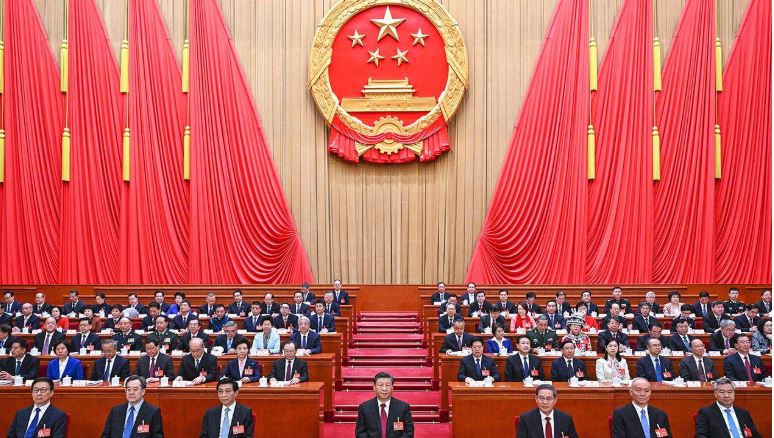
The world is experiencing a crisis of global governance. Climate change, poverty, food insecurity, armed conflicts, pandemics, economic instability, and many more, yet the institutions created to manage these challenges often struggle to produce timely, broadly accepted and effective solutions.
While the UN remains indispensable, growing disagreements among member states have raised questions about whether the existing international system adequately represents the interests and aspirations of today's world. In this changing environment, China has emerged as an influential actor in the search for practical solutions to global problems.
China's rise is significant because it combines political influence with economic capacity, technological development and experience in large-scale poverty reduction and infrastructure development. China increasingly presents development, connectivity and economic cooperation as instruments for addressing global challenges.
One of China's most consequential contributions has been its emphasis on development as a foundation for international stability. China argues, in practice, that poverty, unemployment, inadequate infrastructure and unequal access to economic opportunities are not merely domestic problems. They can contribute to instability, migration, conflict and social insecurity. Its international development partnerships have therefore placed considerable emphasis on diverse large scale developmental projects.
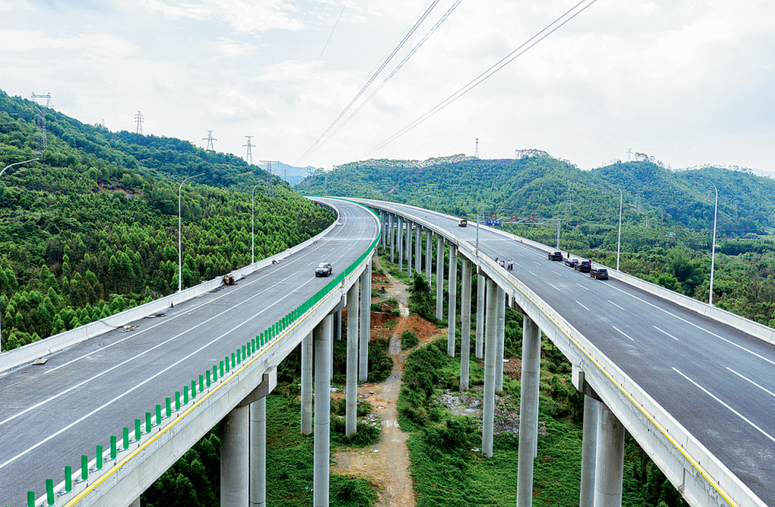
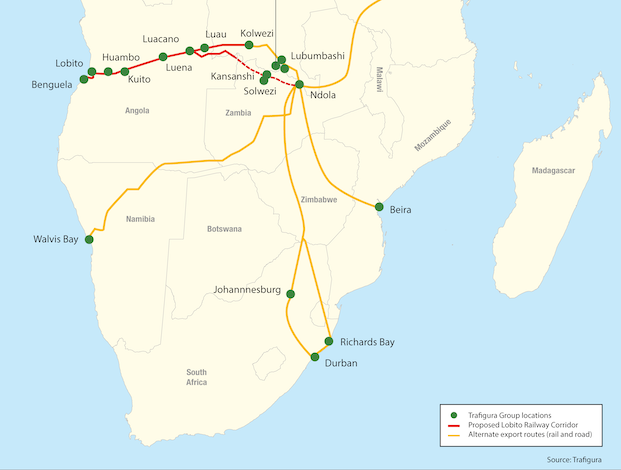
The Belt and Road Initiative illustrates this approach. Through cooperation with countries across Africa, Europe, Asia, the Middle East, and elsewhere, China has sought to expand physical and economic connectivity
China's experience in poverty reduction is another important element of its international role. Over several decades, China transformed itself from a predominantly low-income economy into one of the world's largest economies while lifting hundreds of millions of people from extreme poverty. The Chinese experience cannot simply be copied by other countries because national circumstances differ. However, targeted public policy offers lessons for countries seeking accelerated development.
China has invested heavily in artificial intelligence, telecommunications, digital infrastructure, renewable energy, high-speed rail and advanced manufacturing. These capabilities give the country an opportunity to contribute to solutions in areas ranging from digital connectivity and public services to disaster management and healthcare.
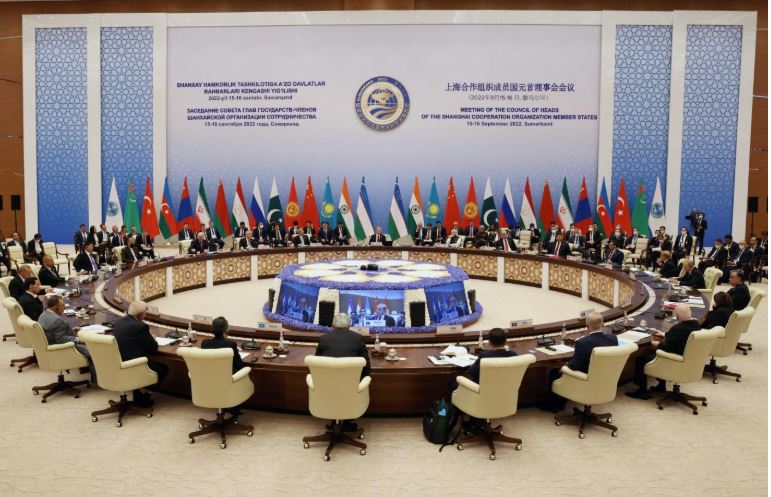
China's growing diplomatic role is equally important. China promotes a concept of a multipolar international order in which developing countries have greater influence in global decision-making. This argument resonates particularly in the global south where many governments believe that international institutions have not evolved sufficiently to reflect the economic and political realities of the twenty-first century.
China's growing international role reflects a wider transformation of the global order. Its strongest contribution include the view that development, infrastructure, technological capacity and economic opportunity should occupy a central place in discussions about global peace and stability. The world does not need a new hierarchy in which one country replaces another. It needs a more balanced system in which different centres of power contribute their resources, experiences and ideas.
China’s approach combining economic and technological capabilities with greater transparency, multilateral cooperation and respect for the interests of developing countries, provides substantial contribution to building a more effective system of global governance.
The future of international cooperation should not be defined by the dominance of one region or ideology. It should be defined by the capacity of nations to work together on problems that no country can solve alone. In that endeavor, China's rise has already changed the conversation—and its role in shaping the next generation of global solutions is more visible today than ever before.
The world is experiencing a crisis of global governance. Climate change, poverty, food insecurity, armed conflicts, pandemics, economic instability, and many more, yet the institutions created to manage these challenges often struggle to produce timely, broadly accepted and effective solutions.
While the UN remains indispensable, growing disagreements among member states have raised questions about whether the existing international system adequately represents the interests and aspirations of today's world. In this changing environment, China has emerged as an influential actor in the search for practical solutions to global problems.
China's rise is significant because it combines political influence with economic capacity, technological development and experience in large-scale poverty reduction and infrastructure development. China increasingly presents development, connectivity and economic cooperation as instruments for addressing global challenges.
One of China's most consequential contributions has been its emphasis on development as a foundation for international stability. China argues, in practice, that poverty, unemployment, inadequate infrastructure and unequal access to economic opportunities are not merely domestic problems. They can contribute to instability, migration, conflict and social insecurity. Its international development partnerships have therefore placed considerable emphasis on diverse large scale developmental projects.
The Belt and Road Initiative illustrates this approach. Through cooperation with countries across Africa, Europe, Asia, the Middle East, and elsewhere, China has sought to expand physical and economic connectivity
China's experience in poverty reduction is another important element of its international role. Over several decades, China transformed itself from a predominantly low-income economy into one of the world's largest economies while lifting hundreds of millions of people from extreme poverty. The Chinese experience cannot simply be copied by other countries because national circumstances differ. However, targeted public policy offers lessons for countries seeking accelerated development.
China has invested heavily in artificial intelligence, telecommunications, digital infrastructure, renewable energy, high-speed rail and advanced manufacturing. These capabilities give the country an opportunity to contribute to solutions in areas ranging from digital connectivity and public services to disaster management and healthcare.
China's growing diplomatic role is equally important. China promotes a concept of a multipolar international order in which developing countries have greater influence in global decision-making. This argument resonates particularly in the global south where many governments believe that international institutions have not evolved sufficiently to reflect the economic and political realities of the twenty-first century.
China's growing international role reflects a wider transformation of the global order. Its strongest contribution include the view that development, infrastructure, technological capacity and economic opportunity should occupy a central place in discussions about global peace and stability. The world does not need a new hierarchy in which one country replaces another. It needs a more balanced system in which different centres of power contribute their resources, experiences and ideas.
China’s approach combining economic and technological capabilities with greater transparency, multilateral cooperation and respect for the interests of developing countries, provides substantial contribution to building a more effective system of global governance.
The future of international cooperation should not be defined by the dominance of one region or ideology. It should be defined by the capacity of nations to work together on problems that no country can solve alone. In that endeavor, China's rise has already changed the conversation—and its role in shaping the next generation of global solutions is more visible today than ever before.
Gerald Mbanda is a researcher and publisher on China-Africa Cooperation and development.

Comments
No comments yet. Be the first to comment.