
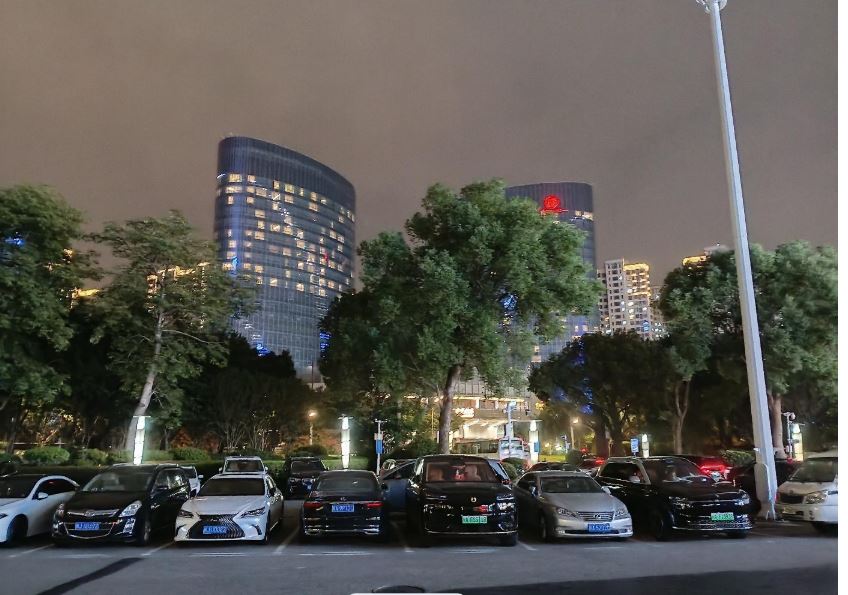
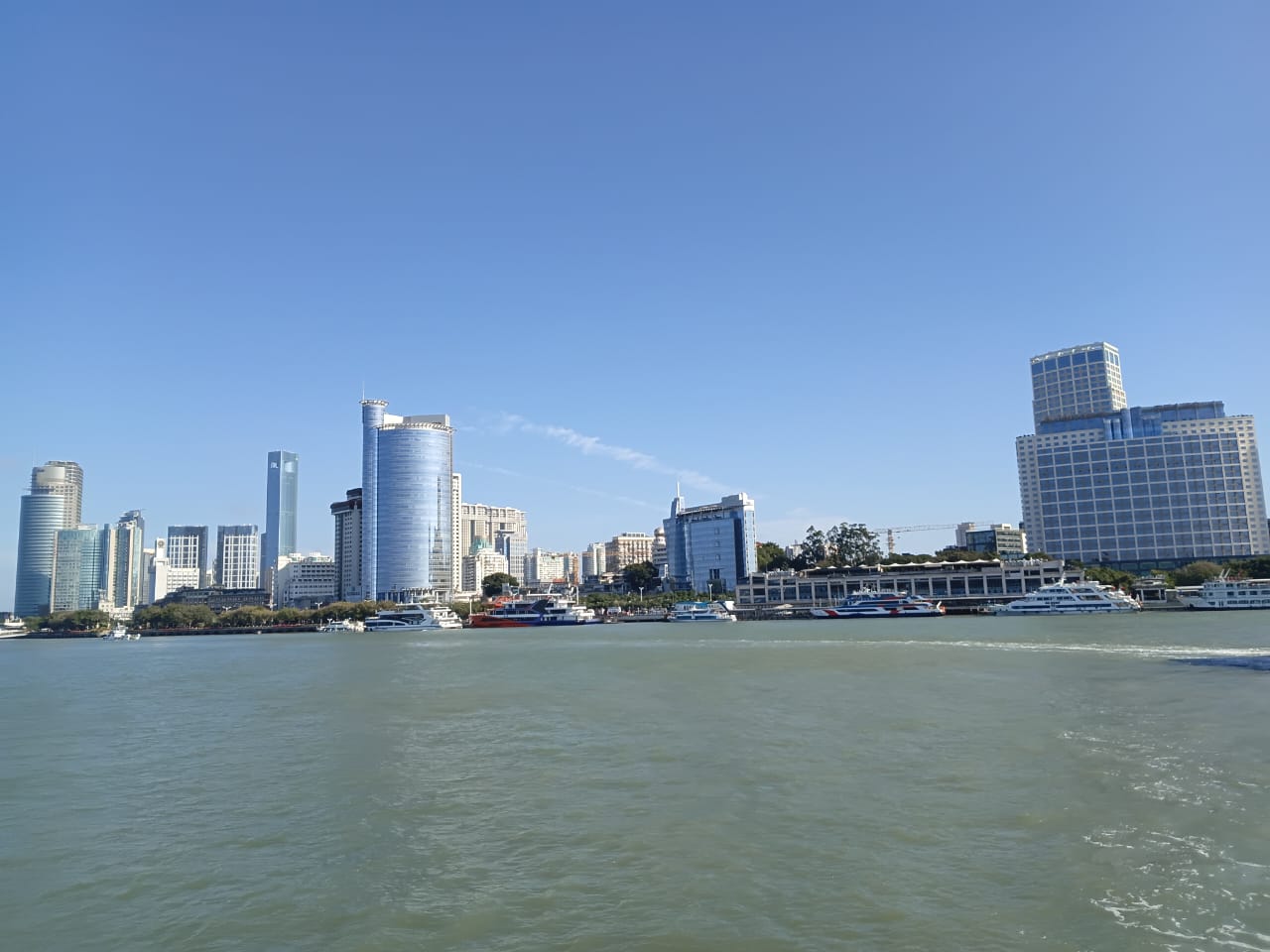
Visiting Fuzhou this November, for a media forum organized by People’s Daily (Renmin Ribao), I found myself reflecting on the remarkable transformation of this historic Chinese city. Walking through its modern streets, observing its impressive infrastructure, commercial centres, technological development and beautiful urban environment, my thoughts turned to President Xi Jinping’s book, Up and Out of Poverty. The book provides valuable insights into his early experiences in Fujian Province and the development philosophy that informed his approach to economic and social transformation.
The connection between the ideas presented in this book and Fuzhou’s subsequent development offers an interesting perspective on how long-term planning, leadership and public participation can contribute to the transformation of a city.
From poverty to a vision of development
In 1988, when Xi Jinping became Secretary of the Ningde Prefectural Committee in Fujian, the region faced enormous economic challenges. Its nine counties were struggling with poverty, inadequate infrastructure and limited economic opportunities. Many communities depended heavily on traditional agriculture, while geographical difficulties restricted access to markets and essential services.
In Up and Out of Poverty, Xi explored the challenges facing economically disadvantaged communities and the possibilities of overcoming structural limitations. His reflections highlighted the importance of confidence, practical action, local initiative and identifying each region's comparative advantages.
His approach emphasized that poverty could not be overcome simply through financial assistance. It required changing mindsets, developing productive capacity, improving education and mobilizing communities.
These experiences in Ningde formed an important part of Xi's early thinking about development in Fujian. Although Ningde and Fuzhou had different economic circumstances, the emphasis on long-term thinking, practical solutions and improving people's livelihoods would become relevant to his subsequent work in the provincial capital.
The 3820 Strategic Project
When Xi Jinping became Secretary of the Fuzhou Municipal Committee in 1990, he encountered a city with considerable potential but significant development challenges. Despite its strategic coastal location and historical importance, Fuzhou had a relatively weak industrial foundation, limited infrastructure and considerable room for economic expansion.
Rather than pursuing short-term achievements, Xi advocated a comprehensive development strategy. This vision culminated in the formulation of the 3820 Strategic Project in 1992, a long-term economic and social development plan for Fuzhou.
The name 3820 represented three development milestones:
Three years (1992–1995): Accelerating economic development and significantly improving the city's economic performance.
Eight years (1992–2000): Bringing Fuzhou's principal economic and social indicators closer to those of China's more advanced cities.
Twenty years (1990–2010): Advancing Fuzhou towards the economic and social
development standards of moderately developed Asian countries and regions.
The strategy was not simply an exercise in setting ambitious targets. It involved research, consultation and public participation. Extensive studies examined the city's economic potential, infrastructure requirements, industrial opportunities, environmental considerations and social development needs.
One of the most significant contributions of Xi's leadership was establishing a long-term development framework capable of guiding successive administrations beyond the tenure of any individual leader.
Building an open, modern and internationally connected city
An important aspect of the 3820 strategy was its recognition of Fuzhou's geographical advantages. Xi promoted an urban development vision that would extend the city along the Min River towards the sea. This approach laid foundations for the development of the Minjiang River estuary economic zone and the broader concept of Maritime Fuzhou.
It encouraged investment in port facilities, transport infrastructure, industrial development and international connectivity.
The opening of Fuzhou Changle International Airport in 1997 was an important milestone. The expansion of roads, bridges, industrial corridors and port facilities further strengthened the city's capacity to attract investment and participate in international trade.
The strategy also recognized that urban development required more than economic expansion. It incorporated industrial modernization, agricultural development, education, environmental protection and improvements in people's living conditions.
Today, these priorities are visible in Fuzhou's expanding urban landscape. The city has developed into an important economic hub in southeastern China, with growing capabilities in advanced manufacturing, digital industries, trade and the maritime economy.
A city balancing modernization and cultural heritage
During my visit to Fuzhou, I was also impressed by its ability to combine modern urban development with the preservation of its historical identity.
Together with international media colleagues, we visited the famous Three Lanes and Seven Alleys, known locally as Sanfang Qixiang, with their traditional architecture, narrow streets and cultural heritage, stand alongside modern commercial districts, contemporary buildings and impressive transport infrastructure.
The city's development also reflects the importance of green spaces, riverfront improvements and environmental management. These features contribute to Fuzhou's attractiveness as a place to live, work and visit.
The continued implementation of the 3820 strategy by successive municipal administrations demonstrates the importance of policy continuity. During his 2021 visit to Fuzhou, Xi reflected on the city's development and the lasting relevance of the strategic direction established decades earlier.
From local experience to a broader development philosophy
Reflecting on Up and Out of Poverty and the 3820 Strategic Project, I see an important connection between Xi Jinping's early experiences in Fujian and his subsequent development philosophy.
His experiences in Ningde demonstrated the importance of overcoming economic disadvantages through determination, innovation and the effective use of local resources. The 3820 strategy translated similar development principles into a comprehensive urban development program.
It would be simplistic to suggest that every element of Xi's later political philosophy emerged directly from these two experiences. Nevertheless, they provide important historical examples of the ideas and administrative practices that informed his subsequent thinking about development and governance.
A vision whose impact can be seen today
My visit to Fuzhou has reinforced my appreciation of the importance of visionary leadership and long-term development planning. The transformation of the city from a provincial capital with considerable infrastructure and industrial constraints into a modern economic and cultural centre is a remarkable development story.
The 3820 Strategic Project demonstrates that successful urban transformation requires more than financial resources. It requires a clear vision, realistic targets, investment in infrastructure, public participation and, perhaps most importantly, continuity in implementation.
As I reflect on the images in Up and Out of Poverty, showing Xi Jinping interacting with villagers, participating in community activities and examining local development projects, I am struck by the contrast between those early experiences and the modern Fuzhou I have witnessed.
Fuzhou's journey illustrates how a long-term vision, translated into practical policies and sustained through successive generations of leadership, can reshape the economic and physical landscape of a city.
For me, Fuzhou is not simply a destination to visit; it is an opportunity to witness how a development vision conceived decades ago can continue to influence the present and inspire thinking about the future.
The author is a researcher and publisher on China and Africa cooperation and development.
Comments
No comments yet. Be the first to comment.