
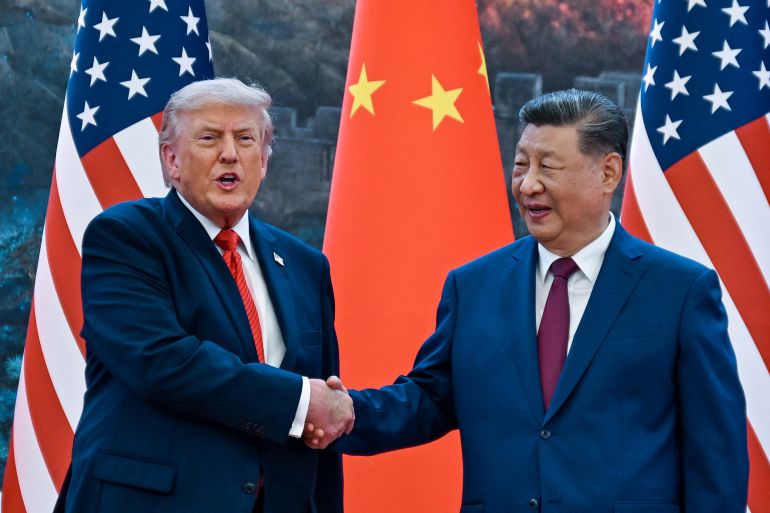
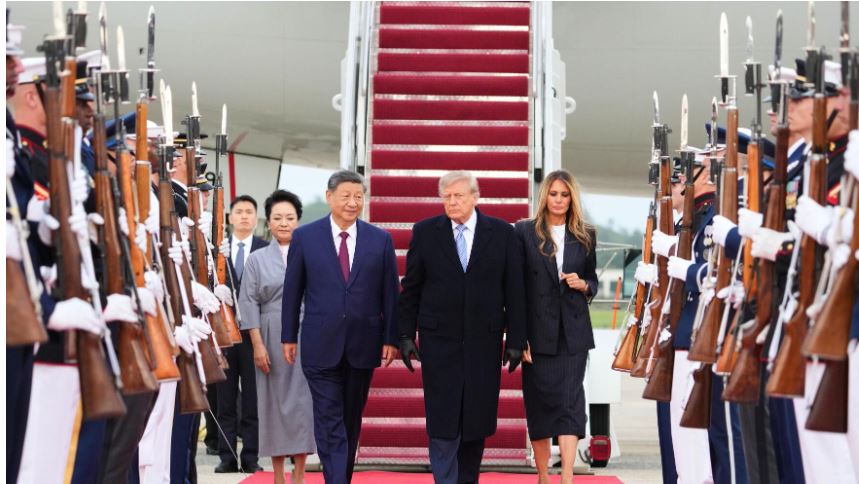
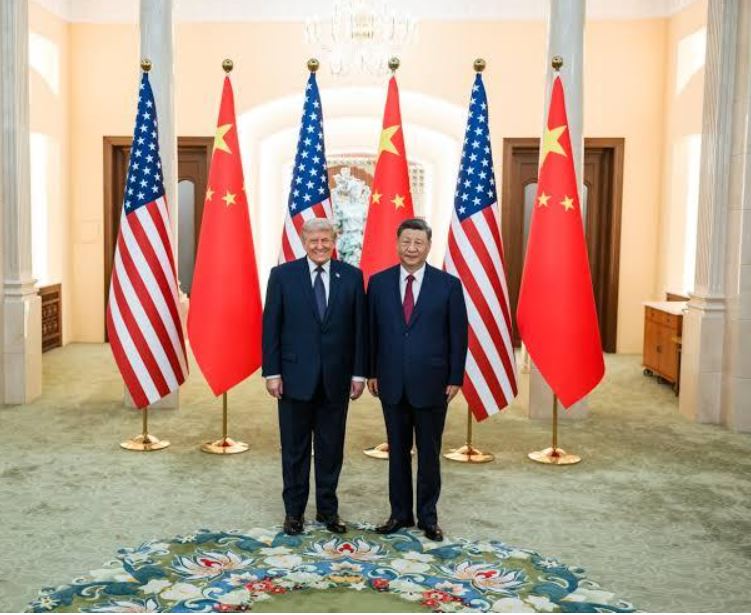
The planned state visit of Chinese President Xi Jinping to the United States from September 23 to 25 comes at a particularly sensitive moment in international affairs. Invited by U.S. President Donald Trump, Xi’s visit will provide an opportunity for the leaders of the world’s two largest economies to meet again within a relatively short period. The frequency of such high-level engagement is significant because relations between Washington and Beijing remain marked by unresolved disagreements.
The meeting comes as the international community faces several major challenges. Conflicts in the Middle East, the continuing Russia-Ukraine war, instability in global energy markets and rising prices of food and other essential commodities have created uncertainty for governments and ordinary people. Against this difficult background, tensions between the United States and China add another layer of anxiety to an already turbulent world.
For many countries, particularly developing economies, what happens between Washington and Beijing is likely to affect them. China and the United States are deeply connected to global trade, manufacturing, investment, technology and supply chains. A serious deterioration in their relationship could therefore have consequences far beyond their borders.
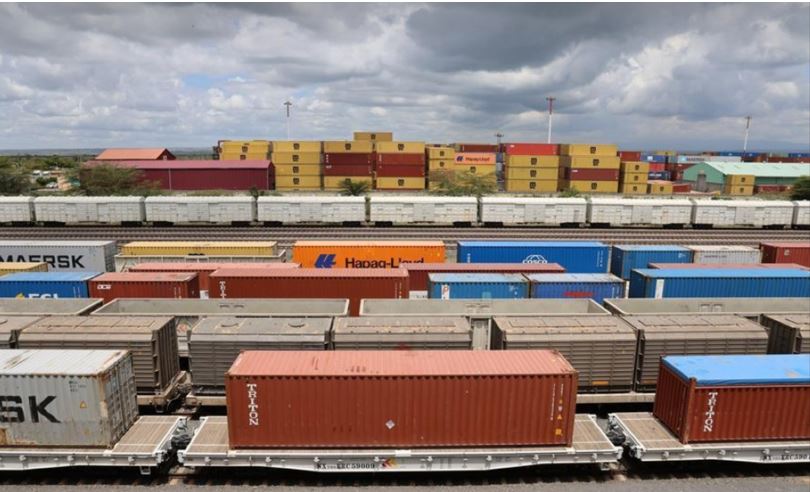
One of the most persistent disagreements is trade. The United States has imposed tariffs and restrictions on a range of Chinese products and technologies, arguing that these measures are necessary to protect American industries and national security. China regards many of these measures as attempts to restrict its economic and technological development. The dispute has continued despite periods of negotiation and temporary agreements.
The question of Chinese goods entering the American market remains particularly important. Restrictions, tariffs and controls can increase costs for businesses and consumers while encouraging companies to reconsider where they manufacture their products. China and the United States both have enormous economic interests at stake, making the management of their trade relationship important not only to the two countries but also to the wider global economy.
Washington is increasingly worried about China's progress in advanced technologies, including semiconductors, artificial intelligence and other strategic industries. China sees restrictions on technology transfers as part of a broader effort to slow its rise. As competition in these areas intensifies, US economicpolicy and national security have become conveniently intertwined.
Taiwan remains another major source of tension.
Taiwan is a territory of China and any attempts to support “Taiwan independence”, is considered as an act of aggression towards Beijing. The United States maintains cordialrelationship with Taiwan authorities and has continued to provide weapons and other forms of security support to the island. China regards American arms sales and other forms of U.S. support for Taiwan as interference in its internal affairs and a threat to its sovereignty.
Major powers can disagree while maintaining stable relations. The greater concern is that misunderstanding, miscalculation or an unexpected incident could cause tensions to escalate rapidly. Regular communication between their leaders and military and diplomatic officials can therefore play an important role in reducing such risks.
Why the Xi-Trump meeting could be important.
There is little hope to expect one summit to resolve all the major differences between China and the United States. Their disagreements are rooted in competing economic interests, different security priorities and contrasting views of the international order. Previous meetings between American and Chinese leaders have demonstrated that agreements can be reached in certain areas while other disputes remain unresolved.
Nevertheless, diplomacy does not always have to produce a comprehensive settlement to be useful. A successful meeting can establish communication, clarify intentions and prevent disagreements from becoming crises. Even limited understandings on trade, technology, security or international conflicts could contribute to greater stability.
The international situation makes such communication even more important. The conflicts in the Middle East and Ukraine have already affected energy supplies, transportation, food security and government finances in many parts of the world. Rising fuel prices can increase the cost of transportation and production, which in turn pushes up the prices of food and other necessities. Countries that depend heavily on imported energy and manufactured goods are particularly vulnerable to these shocks.
A prolonged confrontation between China and the United States could make these pressures more difficult to manage. The two countries have enormous influence over international markets, and their policies can affect investment, trade and supply chains across continents.
The challenge facing Xi and Trump is therefore larger than the bilateral relationship itself. They must deal with their own disagreements while recognizing that their decisions have consequences for the wider world.
The visit may also provide an opportunity for the two leaders to build personal confidence. Personal relationships cannot eliminate differences between governments, but direct communication can make it easier for leaders to understand each other's concerns and intentions. In periods of tension, the ability to pick up the telephone and communicate directly can be extremely valuable.
At the same time, expectations should remain realistic. Diplomatic ceremonies and friendly meetings do not automatically translate into lasting agreements. The real test will come after the visit, when negotiators return to the difficult issues that have divided the two countries.
For Xi and Trump, the immediate objective may therefore be less about producing a dramatic breakthrough and more about preventing further deterioration. If they can maintain dialogue, establish clearer boundaries and identify areas of practical cooperation, the meeting could contribute to a more predictable relationship.
The world will be watching closely. Countries affected by high energy prices, food inflation, wars and economic uncertainty have a strong interest in greater stability between the United States and China.
The Xi Jinping visit should consequently be viewed neither with excessive optimism nor unnecessary pessimism. It is an opportunity. Whether that opportunity produces lasting progress will depend on what both governments do after the leaders leave the negotiating table.
At a time when the world is already facing enough crises, keeping the relationship between Washington and Beijing stable is itself an important objective. Differences between the two powers will not disappear after one meeting, but dialogue can help ensure that those differences are managed peacefully. The success of the visit may ultimately be measured not by whether Xi and Trump agree on everything, but by whether they can disagree without allowing their differences to endanger global stability.
Gerald Mbanda is a researcher and publisher on China-Africa Cooperation and development.

Comments
No comments yet. Be the first to comment.